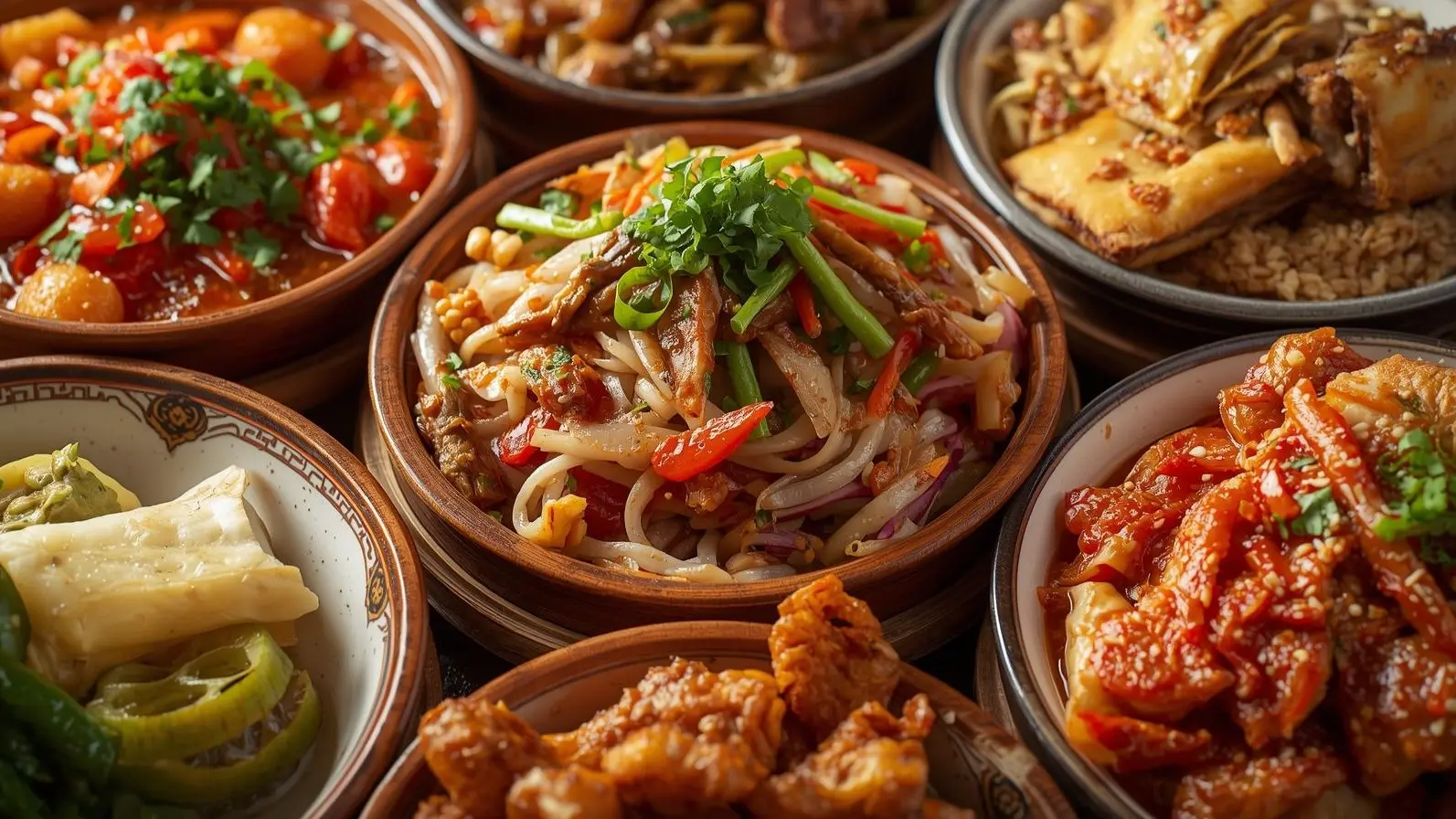
Unearthing Asia's Hidden Culinary Treasures
Asia's diverse culinary landscape is a tapestry woven through centuries of migration, geography, and community connections. It’s unfortunate that many travelers limit themselves to the mainstream, commercial versions of Asian cuisine, missing out on the vibrant regional dishes that thrive in specific locales, from mountain retreats to bustling fishing villages.
This guide emphasizes the authentic and often overlooked culinary delights of Asia, which may not be easily recognized by travelers but embody the rich cultural essence of their origins. Each dish tells a narrative steeped in history, environment, trade, and the enduring traditions upheld by local cooks.
Why These Treasures Remain Undiscovered
Many food enthusiasts, and even established Asian restaurants, tend to focus on meals that are:
-
Simple to prepare in large quantities
-
Widely known globally
-
Toned down to cater to broader tastes
-
Influenced by commercial tourism
In contrast, local chefs continue to prepare meals using:
-
Traditional wood-fired cooking methods
-
Locally sourced fermented ingredients
-
Fresh herbs grown in their backyards
-
Seasonal produce
-
Unique family spice recipes
These are the culinary gems often absent from international menus but are fundamental in representing the true essence of Asian cuisine.
Central Vietnam's Banh Xeo Miền Trung: A Crispy Delight
While tourists flock to southern Vietnam for the larger, softer bánh xèo, the version found in central regions like Da Nang and Quy Nhon is an exhilarating surprise.
What sets it apart:
-
Smaller and crispier than its southern counterpart
-
Batter crafted from local rice and vibrant turmeric
-
Filled with shrimp, pork, and fresh herbs
-
Served with mustard greens and a spicy dip
The central variant delivers a burst of bold flavor with minimalist ingredients, capturing the local preference for clean and vigorous tastes. It’s often made by home cooks over charcoal, lending it a distinct smokiness.
Indonesia's Ayam Betutu: Bali's Spice-Infused Chicken
Beyond the bustling tourist cafés in Bali resides Ayam Betutu, a ceremonial dish, wrapped in banana leaves and cooked slowly.
What gives it authenticity:
-
Incorporates a rich Balinese spice mix called “base genep”
-
Traditionally cooked underground or in clay pots
-
Served on special occasions like weddings, rituals, and community festivities
The dish boasts a warm, aromatic flavor profile that exemplifies Bali’s finesse in spice layering, with true Ayam Betutu found mainly in local family-run eateries due to its demanding preparation.
Malaysia's Blue Rice: Nasi Kerabu from Kelantan
This exquisite Nasi Kerabu from Kelantan is visually stunning yet often overlooked by international visitors because it’s rarely available outside Northern Malaysia.
What distinguishes it:
-
Rice tinted blue from butterfly pea flowers
-
Accompanied by herbs, salad, coconut chicken, crackers, and sambal
-
Noted for its potent herbal aroma and strong flavors
Nasi Kerabu exemplifies the confluence of Malay, Thai, and Islamic culinary influences, resulting in a dish that is both refreshing and deeply rooted in culture.
Nepal's Ghonghi: A Tharu Feast of Snail Curry
This unique dish from the southern plains of Nepal boasts centuries of tradition, especially among the Tharu community.
What makes it special:
-
Features freshwater snails cooked in mustard oil
-
Infused with local herbs from the Terai region
-
Traditionally enjoyed during festivals
Ghonghi has a distinctive earthy and smoky character, often paired with rice or beaten maize, representing a segment of Nepali cuisine that hasn’t succumbed to commercialization.
Qatar's Tharid: A Time-Honored Stew with Bread
Tharid is recognized as one of the most ancient dishes within the Gulf region.
Why it has enduring significance:
-
Involves slow-cooked lamb or chicken along with assorted vegetables
-
Poured over thin flatbread that soaks up the delicious stew
-
Commonly prepared during Ramadan in households across Qatar
This dish, referenced in early Islamic texts, remains a symbol of hospitality and family unity.
The Philippines' Sinigang sa Bayabas: A Guava-Infused Stew
While many tourists opt for the familiar tamarind-based sinigang, Sinigang sa Bayabas—given a beautiful guava flavor—is far less recognized.
Why it is memorable:
-
Sweet-sour broth infused with fresh guavas
-
Typically prepared in rural Filipino households
-
Pairs harmoniously with pork, fish, or shrimp
The guava lends the dish a comforting, sweet aroma that evokes nostalgia for Filipinos who grew up savoring it.
Thailand's Khao Soi Nam Na: Traditional Mountain Noodles
The mountain regions of Northern Thailand offer a version of khao soi that is refreshingly distinct from the creamy version found in Chiang Mai.
What defines its character:
-
Tomato-based sauce accompanied by minced pork
-
Absence of coconut milk
-
Topped with mustard greens, fresh herbs, and chili
It is a rustic dish that pays homage to the age-old flavors of the Lanna Kingdom.
Southern Thailand's Gaeng Tai Pla: A Robust Fermented Curry
This dish is not for the culinary timid.
What encapsulates its boldness:
-
Made with fermented fish innards paste
-
Prepared with turmeric, fresh vegetables, and chilies
-
Rich, aromatic, and intensely flavorful
It stands as a vivid testament to local fishing communities and showcases the daring approach southern Thailand takes toward spices.
India's Tawang Momos: Himalayan Dumplings steeped in Tradition
Although momos enjoy popularity throughout India, those made in Tawang, Arunachal Pradesh, retain their authentic Himalayan roots.
Notable aspects:
-
Stuffed with either yak meat or mountain-grown herbs
-
Handcrafted daily by local artisans
-
Paired with a potent chili chutney
These momos not only mirror the regional climate but also highlight the Tibetan cultural influences indicative of the area.
Japan's Sanuki Udon: The Chewy Noodle of Kagawa
Japan’s cherished udon dish hails from the Kagawa prefecture.
What sets it apart:
Pakistan's Chapli Kebab from Peshawar: The Authentic Mountain Patty
Long before its international fame, this kebab was a street vendor favorite in Peshawar.
What makes it distinctive:
-
Includes spiced minced meat with coriander, tomatoes, and chilies
-
Fried in animal fat for that classic taste
-
Crispy on the exterior, succulent inside
This dish is deeply rooted in tribal heritage and rugged mountain flavors.
How to Relish These Dishes Authentically
Visit Local Markets
Morning markets are vibrant hubs where locals gather to eat, purchase ingredients, and prepare fresh meals.
Opt for Small, Family-Run Restaurants
True regional dishes are seldom found in commercial dining establishments.
Inquire Locally for Specialties
Some dishes may not be found on standard menus—they're made exclusively upon request.
Travel to Lesser-Known Towns
Many traditional recipes have been lost in larger cities.
Eat Seasonally
Numerous regional dishes are available only during specific festivals or harvest seasons.
Significance of These Dishes for Cultural Insight
Food serves as a form of communication. It illustrates:
-
Climate and geographical traits
-
Available local ingredients
-
Religious customs and practices
-
Family heritage and traditions
-
Historical trade networks
Regional dishes reflect Asia’s vast diversity—far exceeding what the average traveler encounters. They safeguard the stories, identities, and rituals that elucidate each community’s essence.
Disclaimer
This article aims to provide general insights into cultural and culinary traditions centered around Asian regional foods. Preparation methods and dish availability may differ depending on local customs, seasons, and geographical circumstances. Travelers are encouraged to confirm ingredient specifics, hygiene standards, and personal dietary needs prior to sampling unfamiliar dishes.