Crafting a Serene, Stress-Free Home
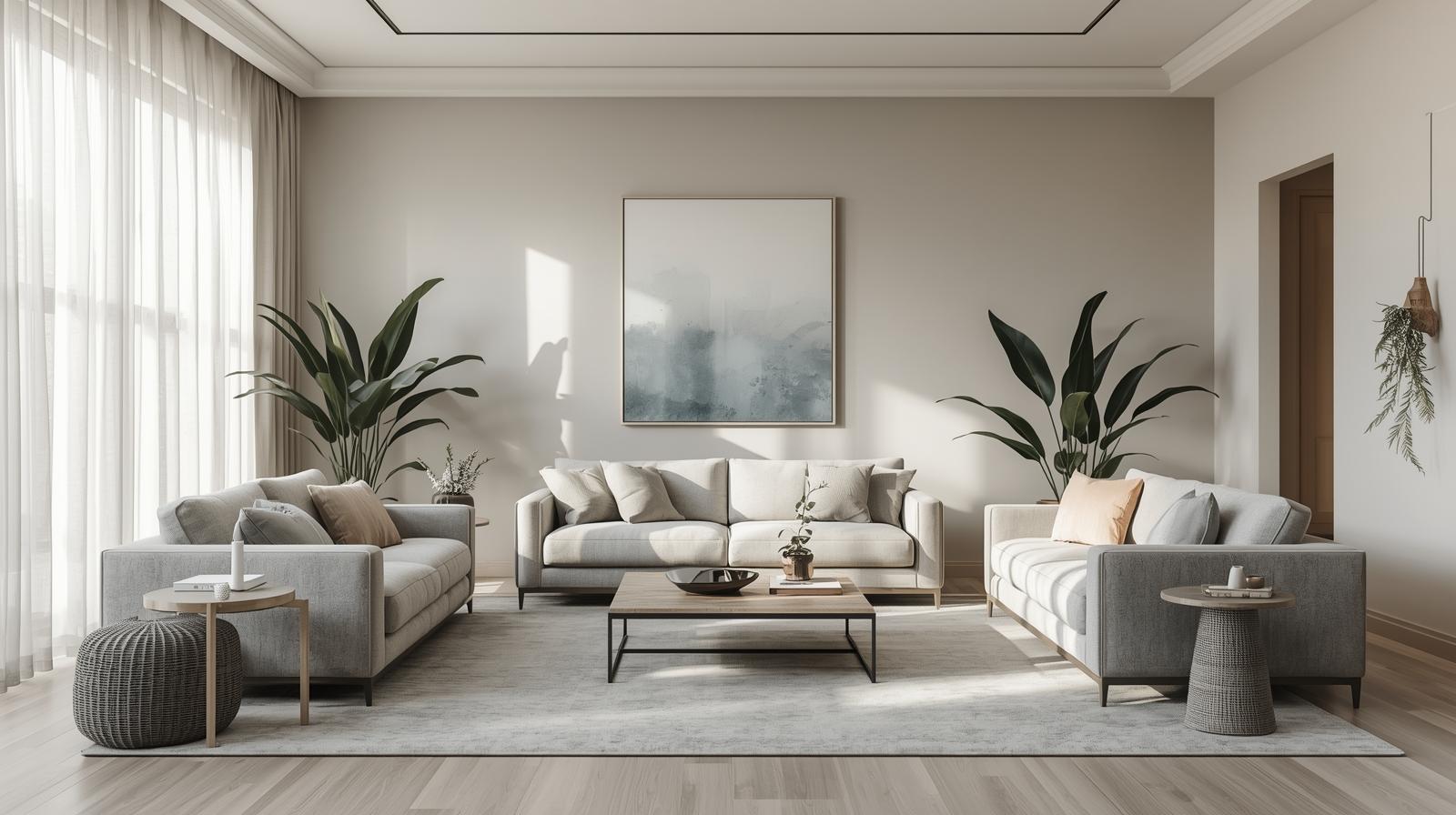
A serene home transcends tidy rooms and calming hues—it’s a haven that nurtures your emotional health, alleviates stress, and helps you unwind after a long day. In an ever-busy world, it's crucial for your home to serve as a retreat where your mind can take a break and your body can rejuvenate. Achieving this calm space doesn't necessitate lavish decor or extensive renovations. It's all about deliberate choices that impact your home's visuals, ambiance, sounds, and even aromas. This guide outlines steps to create a tranquil living space by prioritizing organization, lighting, color, daily habits, and mindful design.
The Connection Between Home and Emotional Well-Being
Your surroundings have a profound effect on your stress levels. Chaotic environments lead to a cluttered mind, while harsh lighting can strain your relaxation. Conversely, a clean and organized space filled with soft light fosters tranquility and allows your nervous system to naturally unwind.
Starting with Decluttering
Disorder enhances mental strain. A multitude of visible items forces your mind to process excess information, which heightens stress.
Effective Decluttering Strategies
Begin with small sections like drawers or shelves. Discard items you no longer need, keep surfaces clear, and use containers to minimize visual clutter.
The Benefits of Decluttering
An organized space is simpler to maintain and easier to navigate, enabling mental relaxation. Decluttering instills a sense of control that mitigates anxiety.
Organizing for Daily Tranquility
Once you've cleared the clutter, effective organization helps prevent stress from resurfacing.
Strategies for an Efficient Home
Assign designated spots for essentials. Utilize labeled boxes or baskets to categorize items, keeping frequently used objects within easy reach.
Stress-Reduction Techniques
When everything has a designated place, you eliminate frantic searches and morning hassles, simplifying decision-making.
The Impact of Lighting on Mood
Lighting plays a significant role in your mood.
Opt for Soft, Warm Lights
Replace bright white bulbs with warm-toned alternatives. Favor floor or table lamps over harsh overhead lights.
Natural Light Matters
In the morning, open curtains to let sunlight assist in regulating your internal clock.
Why Lighting is Crucial
Warm lighting soothes your nervous system, while natural light elevates serotonin levels and decreases irritability.
Choosing Calming Colors for Relaxation
Color psychology significantly affects your stress levels.
Colors that Foster Calm
Soft neutrals like beige, grey, cream, and taupe; earthy tones such as olive, terracotta, and warm brown; cool pastels like light blue, sage, and lavender.
Color Application
Utilize these hues in your bedroom walls, bedding, curtains, and decorative accents. Calming colors enhance harmony, lower overstimulation, and soften spaces.
Designing Restful Spaces
Not every nook needs to serve a function; some areas should offer a respite.
Creating a Tranquil Corner
Select a cozy corner with a comfortable chair and a small table for reading or sipping tea, away from electronics.
Benefits of a Tranquil Spot
This becomes your personal retreat for breathing, reflecting, or just resting undisturbed.
Incorporating Nature for Calm
Nature is known to have a calming effect. Integrating natural elements in your home decreases stress and enhances air quality.
Bringing Nature Indoors
Use houseplants like peace lilies, snake plants, or pothos. Incorporate natural materials such as wood, stone, and cotton. Ensure fresh air circulates daily.
Nature-inspired decor infuses your space with grounding energy, stabilizing your emotional state.
Sensory Aspects: Scent and Sound
Your home should cater to all senses.
Calming Aromas
Utilize scents like lavender, eucalyptus, sandalwood, or chamomile. Essential oil diffusers and scented candles can enhance a peaceful ambiance.
Relaxing Audio
Soft music, nature sounds, or white noise can help alleviate tension and foster relaxation.
These sensory factors transform your home from merely functional to emotionally nurturing.
Embracing Minimalism for a Peaceful Space
Minimalism isn’t about removing everything; it's about retaining only what brings comfort, beauty, or meaning.
Benefits of Minimalism
A less cluttered visual landscape promotes better focus and simplifies cleaning. Your home will feel spacious and serene.
A minimalist approach creates a calming environment rather than an overwhelming one.
Establishing Daily Routines for Lasting Calm
A tranquil home is crafted with intention yet maintained through consistent habits.
Simple Routines to Follow
Make your bed every morning, return items to their places promptly, avoid dish buildup, and set a nightly reset routine.
Routines help keep your space peaceful without requiring weekly thorough cleaning.
Setting Digital Boundaries for Mental Clarity
While technology brings ease, it can also introduce chaos.
Establish Digital Limits
Refrain from having TVs or laptops in the bedroom. Minimize notifications and position charging stations outside sleeping zones.
This minimizes disruption and protects your sleep, preventing overstimulation.
Designing a Restorative Bedroom
Your bedroom is crucial for emotional balance.
Creating the Ideal Sleep Space
Block light with curtains, use soft bedding, keep decor minimal, and lower the temperature slightly at night.
A bedroom conducive to deep sleep naturally rejuvenates you, reducing next-day stress.
Final Thoughts
A peaceful, stress-free home doesn't come together overnight—it's a collection of mindful choices. By decluttering, organizing, adjusting lighting, selecting soothing colors, inviting nature indoors, and establishing healthy habits, you create a nurturing environment for your mental health. With dedication, your home evolves into a sanctuary where you can recharge, introspect, and experience clarity and calmness each day.
Disclaimer
This article is intended for informational purposes and does not serve as professional advice in interior design, mental health, or lifestyle. Individual preferences, living conditions, and personal requirements may differ. Consult qualified professionals for tailored advice before making significant alterations to your living space.