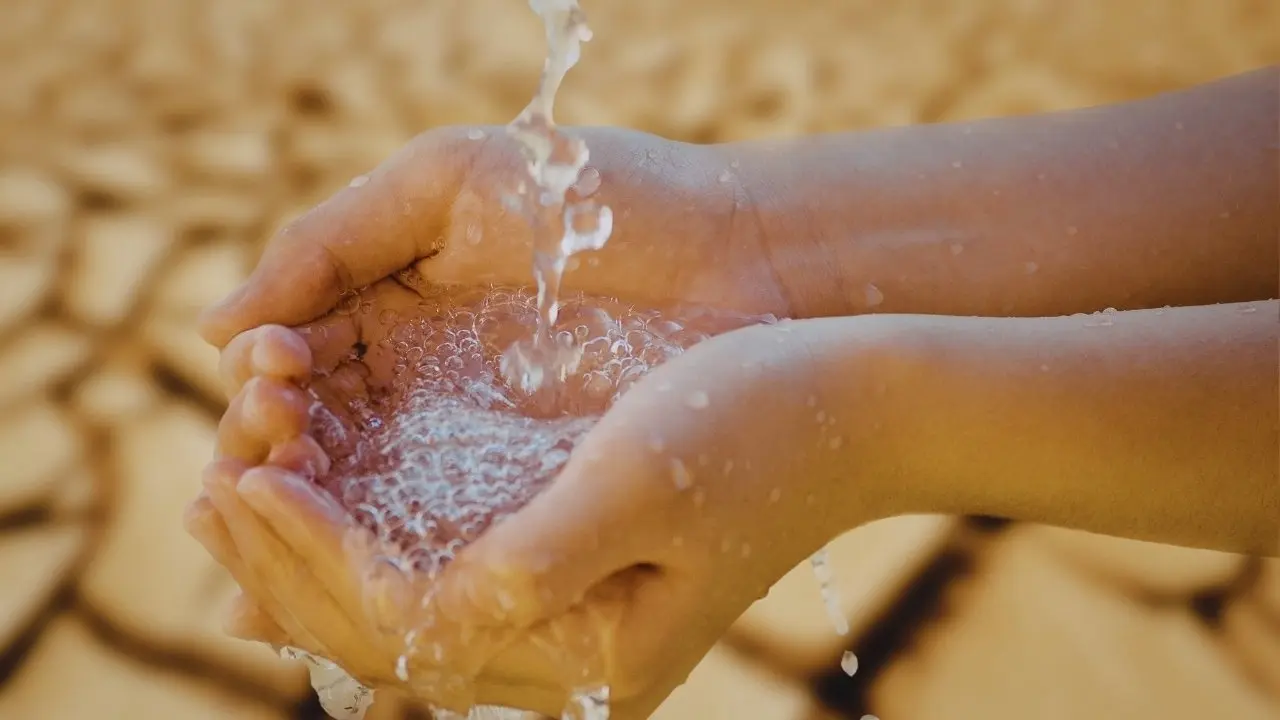
A Crisis Embedded in Daily Life
Once a topic reserved for drought discussions, water scarcity has invaded our daily routines, manifesting as shorter water supply periods, reliance on tankers, soaring costs, and stringent usage limitations. What used to be infrequent interruptions has morphed into a persistent issue affecting countless individuals.
This evolution points to a more profound systemic challenge. Water shortages are now tied to larger factors, including population growth, climate dynamics, urban sprawl, and ineffective management strategies.
Demand Outpaces Supply
Increasing Population, Constrained Resources
The burgeoning population intensifies water needs for drinking, sanitation, and agriculture, yet freshwater sources remain relatively unchanged.
This ever-widening gap puts substantial strain on freshwater ecosystems, including rivers and aquifers.
Urbanization Deepens the Challenge
Fast-growing cities require vast water resources, further diminishing natural replenishing areas due to urban development.
Urban centers now compete with agricultural zones for the scarce water supply.
Groundwater Depletion Accelerates
Normalization of Over-Extraction
For many, groundwater is the primary water source. Excessive extraction practices have led to dwindling water tables, necessitating deeper boreholes each year.
Once a certain threshold is reached, recovery of groundwater becomes increasingly challenging.
Unseen Crisis Beneath the Ground
The slow depletion of groundwater often evades immediate detection, leading to underestimations of its seriousness. By the time wells run dry, significant damage has been done.
This quiet depletion looms large as one of the main drivers of long-lasting water challenges.
Climate Change Disrupts Water Patterns
Inconsistent Rainfall
Climate shifts have rendered rainfall patterns unpredictable. Lengthy dry periods combined with sudden heavy rains complicate effective water storage.
When rainfall is excessive, it often fails to replenish groundwater, while extended dry spells take a toll on existing reserves.
Increased Evaporation Due to Rising Temperatures
Higher temperatures heighten evaporation from water bodies, diminishing usable water, despite seemingly normal precipitation levels.
The cumulative effect exacerbates shortages across various seasons.
Agriculture: The Largest Consumer
Water-Heavy Farming Practices
Agriculture ranks as the top consumer of freshwater. Crops demanding high water usage, particularly in unsuitable areas, deplete local water supplies rapidly.
Additionally, inefficient irrigation contributes to wastage, leaving diminished water reserves for other essential uses.
Farmers' Futures Grow Uncertain
With escalating water scarcity, farmers are faced with reduced harvests and climbing costs. This scenario not only threatens food supply but also impacts pricing and rural prosperity.
Ultimately, agricultural water shortages reverberate throughout society.
Shortcomings in Urban Water Management
Infrastructure Woes
Substantial volumes of treated water are wasted due to pipeline leaks and outdated infrastructure. Such losses curtail available supply without addressing growing needs.
Addressing leaks tends to be cheaper than sourcing new water, yet these issues frequently remain unaddressed.
Inequitably Distributed Resources
In numerous cities, water distribution varies greatly. Some communities enjoy consistent access, while others rely on tanks or private sources.
This disparity creates social and economic divides.
Transforming Daily Life
Adaptations in Household Practices
Individuals are modifying daily routines—recycling water, minimizing consumption, and stockpiling supplies whenever feasible. Water management has become as integral as meal planning.
Shortages impose challenges to hygiene, health, and overall quality of life.
Rising Access Costs
As scarcity escalates, the expense of obtaining water rises. Costs of tanker deliveries, bottled water, and private borewells increase household financial burdens.
For many families, water scarcity translates into a significant economic challenge.
Growing Risks to Health and Hygiene
Sanitation Compromised
Reduced water availability directly impairs sanitation and hygiene standards, heightening the risks of waterborne diseases and public health crises.
Vulnerabilities are most pronounced in densely populated and lower-income regions.
Declining Quality Concerns
Water scarcity often forces reliance on inferior-quality water supplies. Contamination risks surge as distribution systems face stress.
Access to safe water becomes increasingly difficult as availability wanes.
Effects on Industry and Economy
Operational Risks for Industries
Manufacturing, energy production, and construction industries heavily depend on water. Shortages pose significant disruptions and heighten costs.
Water scarcity arises as a vital business continuity threat.
Economic Development at Risk
Areas plagued by unreliable water supplies struggle to draw investments. Over time, water stress can hamper economic progression.
Water security increasingly correlates with economic health.
Why Conservation Alone Is Insufficient
Limits of Efficiency Without Strategy
Though conservation is crucial, it cannot serve as a standalone remedy. Proper planning, storage, and management are essential for lasting solutions.
Long-standing resolutions necessitate fundamental systemic changes.
Regional Solutions Required
Water issues differ by region; generic policies frequently fail to resonate with local challenges.
Community-focused management becomes vital.
Proposed Changes for Better Management
Implementing Rainwater Harvesting
Capturing rainwater and promoting groundwater recharge can greatly enhance local water supplies. Effective implementation hinges upon widespread and consistent application.
When applied effectively, these approaches convert rainwater into a sustainable resource instead of short-term runoff.
Enhanced Urban Planning Strategies
Cities must factor water management into planning priorities. Safeguarding lakes, wetlands, and recharge zones is essential.
Adapting urban design to water-sensitive criteria can alleviate future stress.
Efficient Agricultural Techniques
Shifting towards water-efficient irrigation and suitable crops can minimize water consumption without sacrificing productivity.
Redefining agricultural practices stands central to resolving water scarcity.
Raising Awareness: A Critical Need
Scarcity Becomes a Year-Round Issue
Water shortages no longer abide by seasonal patterns; multiple regions are under constant stress.
This persistent challenge necessitates both behavioral and policy adaptations.
Collective Responsibility is Vital
The issue of water scarcity cannot be alleviated by governments alone. Communities, households, and businesses collectively must contribute.
Day-to-day decisions now carry lasting ramifications.
Conclusion: An Ongoing Crisis Demanding Urgent Focus
Water scarcity has shifted from headline news to a pressing household concern. It influences habits, costs, healthcare, and future safety. While not a sudden issue, its implications are increasingly apparent.
Addressing water scarcity entails more than crisis management; it calls for informed usage, strategic planning, and a collective valuation shift towards water. As resources contract, awareness and proactive measures must escalate—because water transcends mere utility; it is a vital daily concern.
Disclaimer
This article serves informational purposes only. Water availability and related issues are contingent upon local climate, infrastructure, and regulatory frameworks.