The Transformation of Filmmaking with Real-Time CGI
Real-time CGI represents a pivotal advancement in the world of filmmaking. Gone are the days of lengthy rendering processes; filmmakers can now instantly create and visualize intricate digital environments and effects. This technological leap is reshaping every aspect, from the conceptual phase to the final cut. Utilizing engines such as Unreal Engine and Unity, directors enjoy unprecedented creative opportunities, production budgets shrink, and studios produce visually compelling content much faster. This piece delves into the impact of real-time CGI on contemporary cinema, the ongoing challenges, and its potential to redefine the industry over the next decade.
The Ascent of Real-Time Rendering in Production
For years, CGI demanded significant rendering durations. Creators would spend hours awaiting finalized scenes. With real-time technology, this delay is a relic of the past, enabling teams to witness changes in real time.
Significance for Filmmakers
This innovation accelerates decision-making processes, diminishes uncertainties, and facilitates immediate scene adjustments.
Now, directors can experience the anticipated visual aesthetic right on set.
Virtual Production: A Revolutionary Change
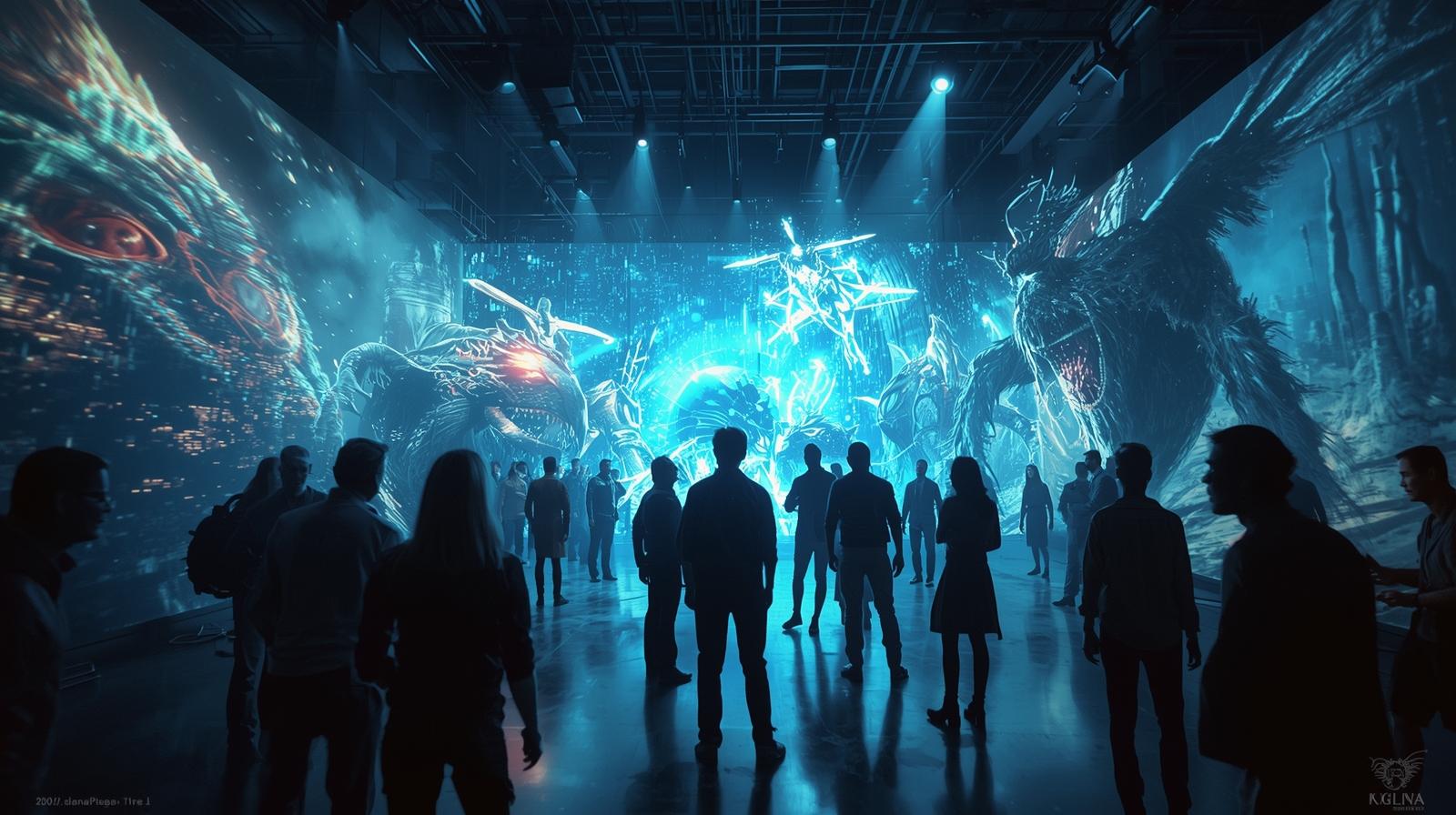
Blending real-time CGI with live filming, virtual production features LED screens that showcase photorealistic environments responsive to camera movements, allowing performers to engage in digital realms.
Enhancements in Filmmaking
Lighting from the backdrop harmonizes with actors, creating scenes with superior realism compared to traditional green screens. Digital environments are saved, resulting in diminished reshoot expenses and the ability to modify settings instantaneously.
Successes such as The Mandalorian highlight the effectiveness of this innovative approach, prompting many studios to transition to virtual sets to enhance flexibility and mitigate outdoor shooting risks.
Boosting Costs and Workflow Efficiency
Traditional CGI often calls for sizeable rendering farms and lengthy timelines. The advent of real-time CGI significantly alleviates these burdens.
Financial Advantages
The demand for physical locations decreases. Set construction becomes more budget-friendly. Such technology minimizes the frequency of VFX alterations due to immediate scene reviews.
What once required days for rendering can now be finalized on location, expediting timelines considerably.
Creative Liberation for Directors and Cinematographers
Real-time CGI furnishes filmmakers with greater control over their lighting schemes, camera placements, and movements.
Enhancing Artistic Expression
Directors can explore various lighting configurations swiftly. Cinematographers can visualize motion and hues on-the-fly. Action sequences can be interactively pre-visualized.
This innovation bridges the gap between animation and live-action, allowing creators to experiment without straining budgets.
Advancing Pre-Visualization (Previs)
Traditionally, previs helps in scene planning. With real-time CGI, previs evolves into a more precise and interactive tool.
Significant Progress
Scenes can be constructed, modified, and simulated instantly. Real-time camera path testing and stunt scene pre-visualization with realistic physics are now possible.
Teams can operate with near-final imagery rather than rough drafts as they strategize their shots.
Realistic Movement and Characters
Real-time CGI integrates smoothly with motion capture, offering immediate feedback on character dynamics and facial expressions.
Importance of This Integration
Animators are no longer delayed by data processing lags. Actors can witness their animated counterparts reacting live. Directors can assess performances promptly instead of waiting days for results.
This elevates the standard of animated films, video game adaptations, and hybrid projects.
Fostering On-Set Collaboration
Real-time CGI unites all departments—lighting, VFX, design, and direction—within a shared dynamic digital environment.
Teamwork Benefits
Everyone shares the same visual reference, leading to fewer miscommunications. Technical issues can be resolved immediately rather than waiting for rendered outputs.
With cohesive efforts, production progresses more smoothly, swiftly, and accurately.
Minimizing Dependence on Green Screens
Green screens have long been essential in filmmaking, but they frequently lead to lighting issues and extensive post-production edits.
The Superiority of Real-Time LED Screens
They present final environments during filming, producing authentic reflections on actors and reducing comprehensive compositing workloads.
This advance not only elevates realism but also lessens post-production burdens.
Challenges Still Confronting Real-Time CGI
Even though this technology is groundbreaking, it faces certain limitations.
Primary Obstacles
The substantial cost of LED installations. The demand for skilled technical personnel. Hardware constraints for advanced scenes. Not all directors are accustomed to real-time methodologies.
As the technology proliferates, these challenges are expected to decline.
Future Influences of Real-Time CGI on Filmmaking
In the next few years, most major and mid-budget films will likely adopt real-time methodologies.
Anticipated Developments
Accessibly priced virtual stages. AI-enhanced real-time rendering. Improved digital characters. Complete films rendered live.
This progression promises to blend gaming with filmmaking, ushering in a new era of immersive storytelling.
Concluding Thoughts
Real-time CGI is among the most revolutionary technologies in today’s cinema landscape. It minimizes costs, enhances creative scope, and accelerates production timelines. Filmmakers can fully visualize scenes pre-shot, actors can inhabit rich digital surroundings, and studios deliver stunning visuals faster. As technology advances, real-time CGI will continue to reshape the industry, democratizing high-quality visuals for a diverse array of productions.
Disclaimer
This article serves as a general informational resource about filmmaking technology and should not be construed as specialized technical, financial, or production advice. Real-time CGI implementation may vary based on project needs, equipment, and technical skills. Readers are encouraged to seek guidance from qualified industry experts before pursuing production decisions.