Why Hydrogen Is in the Spotlight
Once confined to scientific forums, hydrogen is now making headlines. Governments, energy firms, and climate advocates advocate its potential as a clean energy source capable of fueling vehicles, industries, and homes. Amid energy crises and climate obligations, hydrogen seems to be a viable solution.
The attraction is straightforward. Hydrogen generates energy with water as the sole byproduct, emitting no carbon at the point of use. For a world focused on reducing pollution, this proposition is hard to ignore.
Why Hydrogen Appeals
Clean Burning Fuel
When utilized as an energy source, hydrogen emits no carbon dioxide, making it appealing in sectors like heavy industry, shipping, and long-distance transport where emission reductions are challenging.
For lawmakers, hydrogen serves as a route to decarbonize areas that renewable sources like solar or wind might not fully address.
Multi-Use Capability
Hydrogen's applications are varied. It can produce electricity, energize vehicles, serve as an energy storage material, and act as a key component in industries from steel to fertilizers.
Such adaptability is why many consider hydrogen a cornerstone of the future clean energy landscape.
The Spectrum of Hydrogen Types
Grey Hydrogen: The Current Norm
Most hydrogen produced currently comes from natural gas, a process that emits substantial carbon. Consequently, grey hydrogen isn’t as clean as its advocates suggest.
Despite the push for greener options, grey hydrogen remains prevalent due to lower production costs and existing infrastructure.
Blue Hydrogen: A Step Forward
Derived from natural gas, blue hydrogen incorporates carbon capture technology to mitigate emissions. While less polluting than grey hydrogen, it still depends on fossil fuels and is not entirely emission-free.
The effectiveness of blue hydrogen relies heavily on the efficiency of carbon capture methods.
Green Hydrogen: The Gold Standard
Green hydrogen comes from renewable electricity splitting water into hydrogen and oxygen. This method emits no carbon, making it the most environmentally friendly choice.
However, its high cost and limited large-scale production present substantial barriers to widespread usage.
Can Hydrogen Replace Fossil Fuels in Daily Life?
Transport: Potential vs. Reality
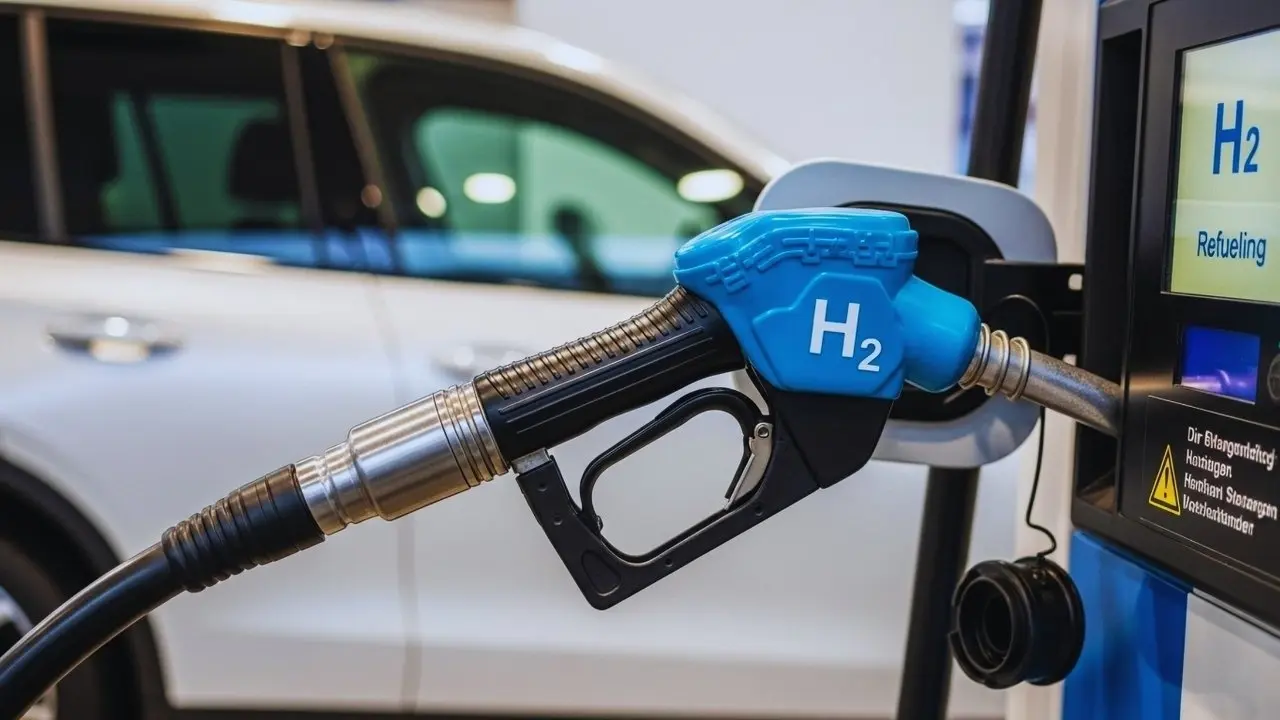
Hydrogen vehicles boast quick refueling times and extensive ranges, appealing for trucks and long-distance travel.
However, with minimal hydrogen refueling stations, they lag behind battery electric vehicles in terms of availability and practicality.
Home Uses and Cooking
Hydrogen's potential for home cooking or heating is under discussion. While technically feasible, significant modifications are needed to existing systems and appliances.
For now, electric options provide a more accessible and affordable solution for most households.
Industry: Hydrogen’s Practical Advantages
Heavy Industry and Steel Production
Industries like steel manufacturing heavily rely on fossil fuels for high-temperature needs. Hydrogen could significantly cut emissions in these challenging sectors.
In this context, hydrogen is not merely hype; it is essential for decarbonizing processes.
Fertilisers and Chemical Production
Hydrogen is vital for fertiliser manufacturing. Transitioning to green hydrogen could drastically reduce emissions from agricultural industries.
In this case, the goal is not to replace fossil fuels but to phase out polluting hydrogen sources.
Energy Storage: Hydrogen’s Hidden Asset
Renewable Energy Storage
Given the intermittent nature of solar and wind power, hydrogen can store extra renewable energy and release it as needed, supporting energy grid stability.
Thus, hydrogen is primarily valuable for long-term energy storage rather than as a main energy supply.
Seasonal Energy Demands
Hydrogen can sustain energy storage for months, a task batteries otherwise struggle with. This capability is essential for meeting seasonal demand, particularly in colder regions.
Cost Implications
Why Hydrogen Remains Costly
The production of green hydrogen involves considerable renewable electricity, sophisticated technologies, and necessary infrastructure investments. Consequently, it is still pricier than fossil fuels.
Until production scales up and technology advances, hydrogen will find it hard to match fossil fuel pricing.
Who Bears the Transition Costs?
Subsidies and incentives from governments aim to spur hydrogen adoption. Nevertheless, long-term affordability remains uncertain, especially for individual consumers.
Without ongoing policy support, hydrogen may remain a niche alternative.
Major Infrastructure Hurdles
Complexity of Hydrogen Transport
Hydrogen poses storage and transport challenges due to its light density and high reactivity. Many pipeline systems require upgrades or replacements.
Establishing a hydrogen infrastructure demands considerable time, investment, and public acceptance.
Safety Considerations
Hydrogen's flammability raises safety concerns. Public sentiment around safety remains cautious despite existing safety protocols. Building public confidence is essential for broader adoption.
Is Hydrogen Overrated?
Concerns of Overpromising
Some narratives suggest that hydrogen could rapidly replace fossil fuels, which is unrealistic. It isn't a one-stop solution for all energy challenges.
By overhyping hydrogen, we risk sidelining proven energy solutions like efficiency and electrification.
Why the Optimism?
Hydrogen's appeal lies in its potential to allow existing energy infrastructures to adapt without the need for sweeping transformations.
This ability often accelerates enthusiasm ahead of substantial evidence.
Hydrogen’s Realistic Potential
A Supplement, Not a Substitute
Hydrogen functions best as a supplementary energy source. It can augment renewable electricity but will not entirely replace it.
Its strongest contributions will likely be in industrial applications, heavy transport, and energy storage—not in daily household energy needs.
Gradual Impact Over Time
Hydrogen's influence will unfold slowly. It's a long-term transitional resource rather than a quick solution to climate challenges.
Expect advancements to emerge over decades, not mere years.
Implications for Everyday Life
Minimal Immediate Effects
For most individuals, hydrogen is unlikely to alter daily routines in the short term. Electric vehicles, solar power, and efficiency initiatives will dominate immediate energy decisions.
Hydrogen's role will mostly remain behind the scenes for the foreseeable future.
Future Benefits
If hydrogen contributes to cleaner industries and power systems, everyone will experience benefits like cleaner air and reduced emissions.
Its impact may not be visible, but it will be significant.
Conclusion: A Measured Optimism
Hydrogen is neither a miraculous solution nor mere hype. It holds genuine potential, especially in areas where alternatives fall short. However, significant challenges—cost, infrastructure, and efficacy—remain.
The energy landscape won't rely solely on hydrogen. Rather, hydrogen will complement renewables, batteries, and efficiency advancements in the future energy matrix.
The real question isn't whether hydrogen will replace fossil fuels but where it is most fitting—and where it is not.
Disclaimer
This article is meant for informational purposes only. Energy technologies and policies are fluid, and outcomes may vary depending on region, regulation, and market conditions.