Understanding Hair Loss in 2026: Links to Stress, Diet, and Screen Time
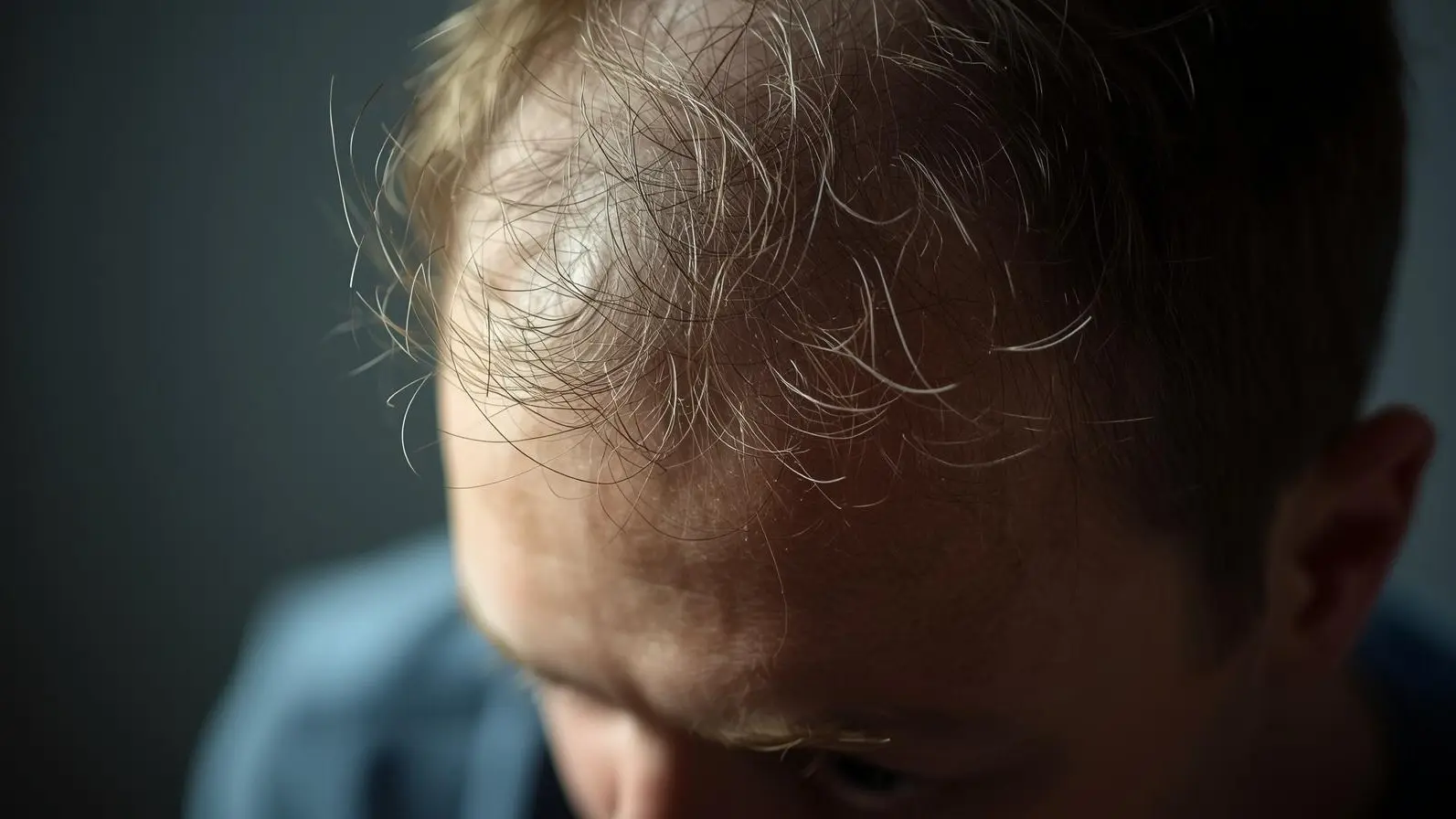
Hair loss has transitioned from a mere aesthetic issue to a significant health concern. In 2026, dermatological experts observe a concerning trend: individuals in their 20s and 30s facing unprecedented levels of hair thinning, shedding, and diminished density earlier than prior generations. This is attributed to a variety of factors—chiefly the interplay of chronic stress, poor nutritional habits, and increased screen usage.
This article delves into how these modern contributors impact hair health, alongside practical measures to mitigate and reverse hair loss in our tech-driven lifestyle.
Why Recent Years Have Witnessed Surge in Hair Loss
The process of hair growth hinges on several critical elements, including hormones, nutrition, circulation, and nerve health. As of 2026, these elements are in disarray.
Contemporary lifestyles are characterized by:
-
Extended working hours
-
Intensive mental strains
-
Irregular or processed meal patterns
-
Constant engagement with screens
-
Disrupted sleep patterns
Hair follicles are particularly vulnerable. Under relentless stress, hair growth is deprioritized as a survival mechanism.
Grasping the Hair Growth Cycle
To properly address hair loss, it’s vital to first understand the hair growth process.
The Three Key Stages of Hair Growth
-
Anagen phase: The active growth period, lasting several years
-
Catagen phase: Brief transitional phase
-
Telogen phase: Resting phase before shedding
Increased stress, nutritional gaps, and hormonal disturbances can push more follicles into the telogen phase, resulting in telogen effluvium, a prevalent form of hair loss today.
The Influence of Chronic Stress on Hair Loss
Stress ranks as one of the primary triggers for both immediate and prolonged hair loss.
Impact of Stress on Hair Follicles
-
Elevates cortisol levels
-
Reduces blood circulation to the scalp
-
Interferes with nutrient flow
-
Induces inflammation around hair follicles
High cortisol levels truncate the hair growth phase, causing premature shedding.
Types of Stress Associated with Hair Loss
-
Work-related pressures and deadlines
-
Financial worries
-
Emotional challenges and burnout
-
Poor boundaries between work and personal life
Hair loss typically occurs 2–3 months post-stressful events, making it easy to overlook the connection.
The Dietary Landscape in 2026: Abundant Food, Scarce Nutrition
Many consume enough calories while lacking vital nutrients.
How Contemporary Diets Harm Hair Health
-
Heavy reliance on processed foods
-
Insufficient protein consumption
-
Skipping meals
-
High sugar and refined carbohydrate intake
Hair consists of keratin, a protein, necessitating vitamins and minerals for optimal growth.
Crucial Nutrients for Hair Fortification
-
Protein for structural support
-
Iron for oxygen transport to hair follicles
-
Zinc for follicle recovery
-
Biotin and B vitamins for growth enhancement
-
Omega-3 fatty acids for scalp wellness
Deficiencies can lead to gradual weakening of hair strands.
Blood Sugar Fluctuations and Hair Loss
Erratic eating habits and sugar-heavy diets lead to insulin surges.
Effects on Hair
-
Amplifies inflammation
-
Disrupts hormonal equilibrium
-
Weakens hair roots
Regular blood sugar dips can result in fatigue, stress, and thinning hair.
Screen Time: An Underrated Contributor to Hair Loss
Screen usage impacts hair health in ways many overlook.
Consequences of Excessive Screen Time on Hair
Blue Light, Sleep, and Hair Renewal
Hair restoration occurs during the deep sleep cycle.
Effects of Screens on Sleep
-
Delays melatonin production
-
Disrupts deep sleep phases
-
Limits overnight rejuvenation
Inadequate sleep hampers follicle repair, leading to weak regrowth and heightened shedding.
A Digital Lifestyle’s Impact on Nutrient Absorption
Inactivity and screen-centric habits diminish digestive efficiency.
Why This Matters
The Interlinked Cycle of Stress, Diet, and Screen Exposure
These three elements are interconnected.
-
Stress heightens screen dependency
-
Screen time disturbs sleep
-
Poor sleep exacerbates stress
-
Stress prompts unhealthy food choices
-
Poor nutrition escalates fatigue and hair loss
Altering just one aspect of this cycle can significantly enhance hair health.
Identifying Early Signs of Lifestyle-Induced Hair Loss
-
Marked increase in daily shedding
-
Thinned ponytail or expanded parting
-
Hair loss post-stressful scenarios
-
Dull, dry, lifeless strands
-
No familial predisposition to early hair loss
Lifestyle-driven hair loss can often be reversed when tackled promptly.
Strategies for Combating Hair Loss in a Stressful, Screen-Heavy World
Deliberately Manage Stress
-
Engage in short daily walks
-
Practice breathing exercises
-
Minimize incessant notifications
-
Establish work boundaries
Lowering cortisol levels positively influences hair regeneration.
Enhance Dietary Consistency
-
Incorporate protein into every meal
-
Avoid prolonged intervals between meals
-
Include a variety of fruits, vegetables, nuts, and seeds
Consistency trumps perfection in nutritional habits.
Mitigate Screen Damage
-
Avoid screens one hour prior to sleep
-
Utilize night mode post-sunset
-
Take screen breaks hourly
Improved sleep equates to enhanced hair recovery.
Prioritize Scalp Care Over Fancy Products
Expensive products won't rectify internal issues.
Enhance Scalp Health by
-
Gently massaging to boost circulation
-
Avoiding harsh treatments
-
Maintaining a clean, but not over-washed scalp
A healthy scalp environment encourages stronger follicles.
When to Seek Professional Help for Hair Loss
Consult a specialist if:
-
Hair loss continues for over 3–4 months
-
There’s noticeable patchiness
-
Hair shedding is abrupt and severe
-
Other symptoms arise, such as fatigue or weight fluctuation
Early identification can prevent lingering damage.
The Future of Hair Wellness Is Preventive
By 2026, hair care transcends beyond products like oils and shampoos. It integrates stress control, nutritional awareness, and disciplined screen time. Hair serves as a true reflection of holistic health.
Final Thoughts on Hair Loss in Today’s World
Hair loss frequently signals your body’s distress signals. When stress remains unchecked, diets fluctuate, and screen usage escalates, hair becomes the initial casualty. Fortunately, lifestyle-caused hair loss is one of the simplest types to address when managed with diligence and awareness.
Healthy hair is a product of a balanced life.
Disclaimer
This article serves informational purposes and does not offer medical or dermatological guidance. Causes and treatments for hair loss differ according to an individual's genetics, health conditions, and lifestyle choices. For ongoing or severe hair loss, seek advice from a qualified healthcare provider for accurate evaluation and treatment.