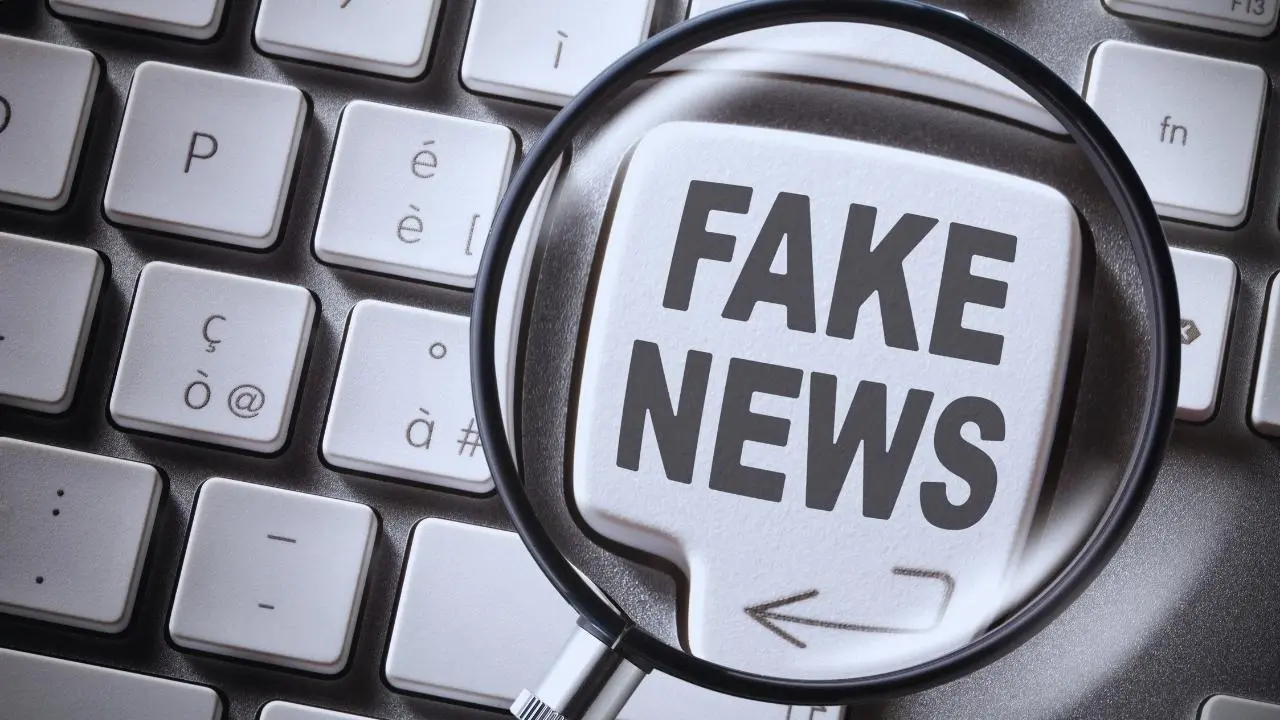
The World Is Drowning in Headlines — But Not All of Them Are True
In an age where breaking updates appear on our screens every few seconds, information is moving faster than ever. Social media feeds refresh endlessly, news sites publish round the clock, and influencers share opinions instantly. While this gives people access to more information than any generation before, it also creates serious problems: misinformation, half-truths, fabricated stories, and subtle media biases that quietly shape the way people think.
Spotting fake news is no longer just a skill — it is a necessary survival tool. From global politics to health scares to viral trends, misinformation spreads faster than facts. Media bias, too, silently influences how stories are framed, affecting public perception without people realizing it. With so much chaos in the global news cycle, knowing how to identify what is true and what is misleading is essential for every reader.
This article dives deep into the techniques, signals, and red flags that help ordinary people detect fake news and understand how media bias works in a confusing digital world.
Why Fake News Spreads So Easily Today
The Speed of Social Media Outruns Fact-Checking
Social media platforms allow anyone to share anything instantly. When thousands of users forward the same headline without checking authenticity, false stories spread like wildfire. Since humans tend to react emotionally to shocking claims, misinformation grows faster than verified reports.
People Prefer Quick Answers Over Complex Explanations
Fake news often simplifies complicated topics into easy-to-digest messages. Real explanations take time, research and nuance. Most people, overwhelmed by constant content, pick the simpler narrative — even if it's misleading.
Algorithms Promote Sensational Stories
Digital platforms push content that gets more engagement — not necessarily more accuracy. Controversial, emotional or dramatic posts get more clicks and comments, which means they appear more frequently, giving them unearned credibility.
Understanding Media Bias: The Invisible Filter
News Outlets Are Businesses — And Framing Sells
Every news organization has its own style, goals and target audience. Some prefer emotional storytelling; others focus on political angles or specific ideologies. How a story is framed shapes the reader’s understanding — even if the facts remain unchanged. Two outlets can report the same event but lead readers to different conclusions.
Bias Is Not Always Intentional
Sometimes journalists carry subconscious assumptions based on upbringing, environment or cultural exposure. These hidden personal filters influence language choice, emphasis and tone.
Selective Reporting Creates Skewed Perceptions
Media bias is not always about adding false information. Sometimes it’s about what gets covered and what gets ignored. When only certain voices, regions or issues get highlighted, audiences receive an incomplete picture of reality.
The First Step: Question the Source Before the Story
Identify the Publisher
Before believing any headline, ask:
Fake news sources often mimic real news websites with small spelling changes or unusual domain endings.
Look for “About Us” or Editorial Guidelines
Credible outlets openly share their mission, standards, and editorial team. Fake news pages rarely list journalists or provide accountability.
Check the Date and Context
Some misleading posts recycle old stories to fit current narratives. Always check if the content is recent and relevant.
Spotting Fake News Through Language and Presentation
Overly Emotional or Dramatic Headlines
If a headline uses extreme words like “shocking,” “unbelievable,” “you won’t believe,” or “dangerous truth,” it is often designed to manipulate emotions instead of inform.
Lack of Details or Evidence
Real news includes:
-
Data points
-
Expert quotes
-
Background context
Fake news relies on vague statements like “experts say” or “sources claim” without naming anyone.
Poor Grammar or Formatting
Credible news outlets maintain high writing standards. Incorrect punctuation, strange fonts, all-caps titles, and excessive emojis are strong signs of misinformation.
Fact-Checking Techniques Every Reader Should Know
Cross-Check With Multiple Outlets
If only one website reports a dramatic story while mainstream sources remain silent, chances are high that it’s false or exaggerated.
Look for Primary Sources
Authentic stories reference:
-
Official statements
-
Government releases
-
Academic research
-
On-record quotes
Fake stories rarely offer verifiable sources.
Use Reverse Search for Images
Many fake posts use old or unrelated photos to create false narratives. Reverse image search reveals where the photos originally came from.
Check for Satire Indicators
Some fake stories come from satire sites that parody the news. These are not meant to deceive, but they often get shared without context.
Understanding How Bias Shows Up in News Coverage
Word Choice Influences Emotion
Compare these two sentences:
Both describe people gathering, but each sentence creates a different emotional effect.
Placement on the Page Reveals Priority
Front-page stories, breaking news banners, and push notifications reflect what the outlet considers important. Stories buried at the bottom receive less attention, even if they are significant.
Headlines vs Body Content
Sometimes the headline implies something dramatic while the article itself is more neutral. Many people read only headlines, missing the full context.
Quotes and Sources Reflect Perspective
If a story quotes only one type of expert or political side, it may be intentionally or unintentionally biased.
Why People Fall for Fake News — Psychological Reasons
Confirmation Bias
People believe stories that support what they already think — even if the information is false. This makes misinformation extremely powerful.
Fear and Anxiety Make People Share Faster
Scary or worrying headlines trigger emotional responses, causing users to share instantly as a warning to others.
Echo Chambers Strengthen Beliefs
When people follow only pages and influencers that agree with them, they stop seeing other viewpoints. This creates a distorted picture of reality.
How to Stay Safe When Consuming News on Social Media
Treat Viral Posts With Extra Caution
The more viral a post is, the more likely it contains sensational claims designed to evoke strong reactions.
Check the Comment Section — Carefully
Sometimes other readers debunk claims in the comments. But comments can also spread more misinformation. Use them as clues, not facts.
Beware Screenshots of “News” Articles
Screenshots can be edited easily. Always search for the original article to confirm authenticity.
Influencers Are Not Journalists
Many influencers share news without fact-checking. Popularity does not equal credibility.
Recognizing Subtle Bias in Everyday News Consumption
Which Stories Are Highlighted?
Media outlets often focus on issues their audiences find emotionally engaging. This can create an unbalanced view where some issues seem more important than they are.
Language That Suggests Blame or Praise
Biased stories may subtly frame groups or individuals as heroes or villains without stating it openly.
Images Matter as Much as Words
Photos can evoke sympathy, anger or fear. Media choices influence how readers feel before they read a single line.
Statistics Without Context
Numbers can be manipulated. A headline might say “crime doubled,” but if the original number was extremely low, the impact may be misleading.
How to Build a Reliable News Diet
Follow a Variety of Reputable Sources
Relying on just one or two outlets can create a skewed world view. A balanced mix reduces the influence of any single bias.
Set Time Limits on News Consumption
Constant exposure leads to stress and confusion. Controlled intake improves clarity.
Identify Your Own Biases
Self-awareness is the strongest defense. When you know your own assumptions, you judge information more fairly.
Discuss News With People Who Think Differently
Healthy debate tests assumptions and reduces susceptibility to misinformation.
Why Media Literacy Is Becoming a Basic Life Skill
The World Is Becoming More Complex
Global crises, elections, economic shocks and technological advancements make news more abundant and emotionally charged.
Children and Teenagers Need Guidance
Young users are exposed to more false information than ever. Teaching media literacy early can help protect future generations.
Misinformation Can Influence Elections and Public Policy
Fake news does not only mislead individuals — it can shape national decisions, affect diplomacy and influence markets.
Final Thoughts: Always Ask, “Who Wants Me to Believe This?”
In a world full of noise, lies, exaggerations and subtle bias, the smartest question any reader can ask is simple:
Who benefits if I believe this story?
When you apply critical thinking, cross-check facts, and understand your own emotional reactions, you become far less vulnerable to manipulation. Fake news and media bias will continue to exist — but with the right mindset and tools, you can navigate the chaotic global news cycle with confidence, clarity and a sense of control.
Disclaimer:
This article is for informational purposes only and does not replace professional training in media literacy or journalism. Readers should cross-check facts and use critical judgment when evaluating news sources.