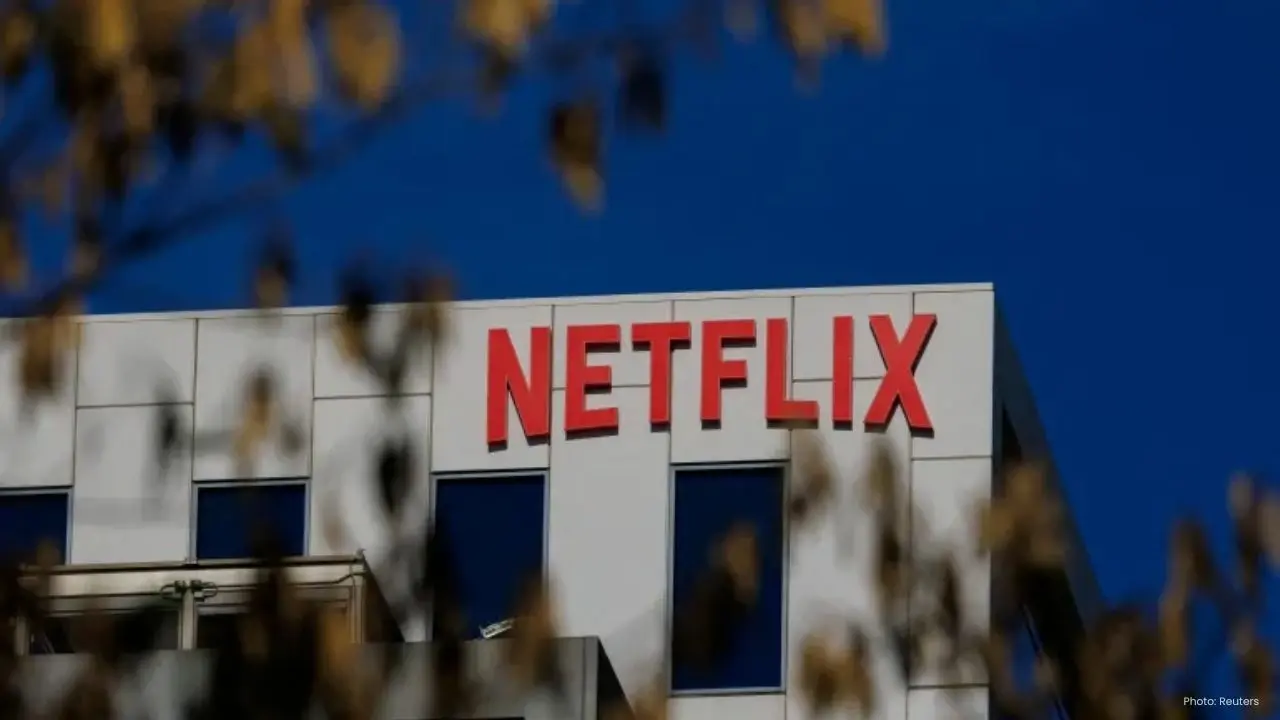
In a groundbreaking development that could alter the global entertainment sector, Netflix plans to acquire Warner Brothers Discovery for a staggering $72 billion. This merger aims to unite legendary franchises such as Harry Potter, Game of Thrones, The Matrix, Lord of the Rings, and Looney Tunes under Netflix's expansive portfolio, potentially forming an unmatched media giant.
The announcement has attracted immediate scrutiny from U.S. regulators and industry commentators. Former President Donald Trump emphasized Netflix's already substantial market share, suggesting that the merger could pose a significant challenge if sanctioned.
Since its inception in 1997 as a DVD rental service, Netflix has transformed into the leading global subscription streaming service. Acquiring Warner Bros will solidify its position, adding both a treasured catalogue of classic films and promising future blockbusters.
While Netflix perceives this move as a strategic enhancement of its future dominance, there are rising concerns regarding competition. The Writers Guild of America has warned that merging the largest streaming service with a major rival may jeopardize jobs, decrease wages, and limit content variety.
The merger is pending approval from the competition division of the U.S. Justice Department, which may challenge the deal if the combined market share is seen as excessive. Netflix CEO Ted Sarandos acknowledged that the transaction might surprise investors, but reinforced its importance in positioning the organization for future success.
With the deal moving toward finalization—anticipated after Warner Bros restructures its operations in late 2026—the industry remains vigilant. Analysts argue that if authorized, Netflix would gain unprecedented control over streaming services worldwide, significantly impacting content creation, distribution, and consumer choices for years ahead.