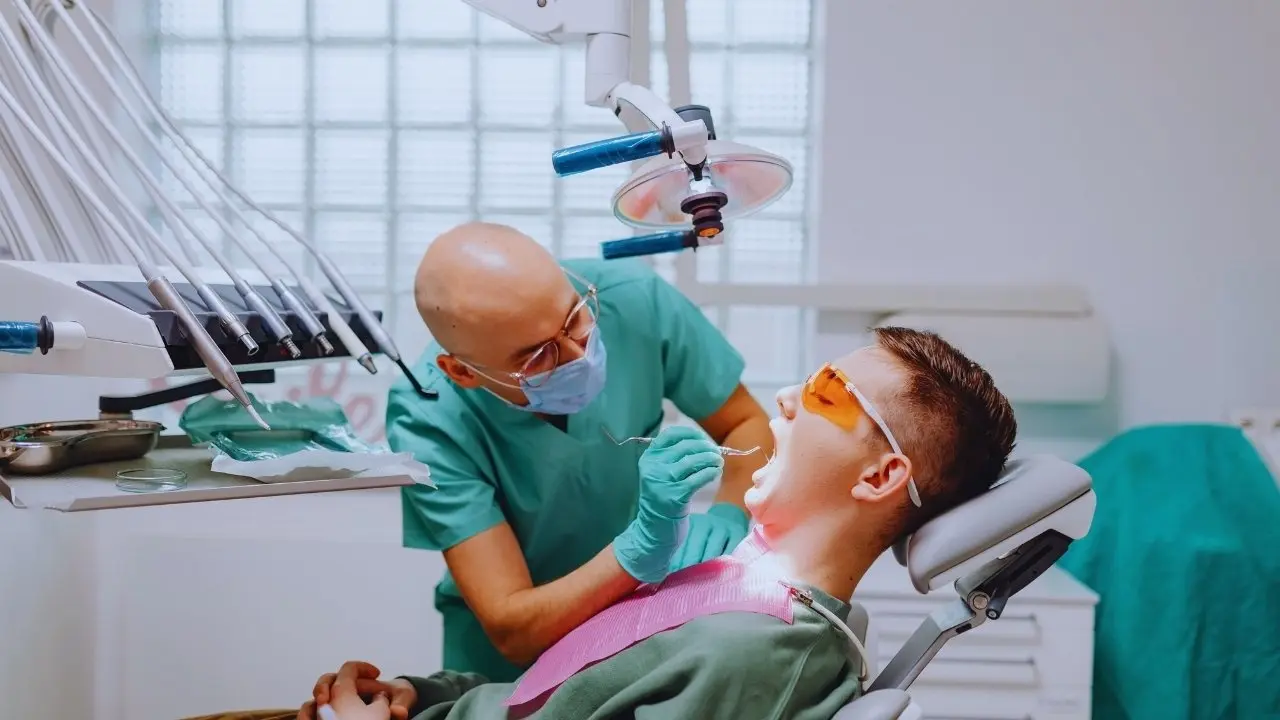
A Renewed Call for Better Oral Health Awareness
In recent weeks, communities, schools, and workplaces have seen a surge in oral health initiatives. These movements emphasize the critical link between oral health and overall wellness, often overlooked in our hectic lives. In light of this, dentists are eager to provide updated strategies and practical advice tailored to contemporary challenges in diet and hygiene.
As the public seeks more straightforward and applicable guidance, dental professionals are responding with friendly, evidence-based suggestions for individuals of all ages.
The Need for Enhanced Dental Awareness in Today's Lifestyles
Modern habits have shifted significantly. Individuals often snack more, consume sugary drinks, and engage with screens late into the night, leading to missed dental care routines. Factors like stress and busy lifestyles contribute to a rise in oral health issues among all age groups, leading to increased cases of cavities and gum discomfort.
Today's dental troubles are not merely due to inadequate brushing. They arise from our fast-paced lives:
– More frequent late-night snacking
– Higher acidity from popular beverages
– Grinding due to stress
– Skipped brushing sessions
– Rushed mornings
– Increased intake of processed foods
Consequently, recent campaigns underscore the importance of daily vigilance, preventive measures, and simple routines that tackle these evolving challenges head-on.
Why Today's Dentists Are Sharing Updated Advice
The rise in concerns such as:
– Increased cavities in young adults
– Widespread enamel erosion
– Greater sensitivity in gums
– More reports of jaw discomfort
– Poor brushing habits across all ages
has prompted dentists to take action. Their insights now extend beyond the traditional 'brush twice a day' mantra, delving into proper techniques, timing, dietary habits, stress management, and consistency.
Key Dental Tips Recommended by Professionals
Here are essential tips highlighted by dentists in light of the recent campaigns:
Brush Carefully, Not Aggressively
It's a common misconception that vigorous brushing leads to better cleaning. Dentists caution against hard brushing, as it can harm enamel and irritate gums. The focus should be on gentle, circular motions rather than harsh back-and-forth scrubbing.
Using a soft-bristled toothbrush is recommended to effectively clean without damaging the sensitive areas of the mouth, and brushing should last around two minutes, covering all surfaces of each tooth.
Flossing Is Essential
Recent campaigns have placed a strong emphasis on the importance of flossing. Brushing only cleans about 60% of your teeth's surfaces; flossing is crucial for reaching the tight spaces that trap food and bacteria.
Dentists recommend:
– Flossing daily
– Employing gentle, sliding motions
– Avoiding forceful pulling that could injure gums
Regular flossing helps maintain healthy gums and prevents plaque buildup.
Don't Neglect Your Tongue
Bacteria thrive on the tongue, which can lead to unpleasant breath and plaque issues. Cleaning your tongue helps eliminate this buildup, keeping your mouth fresher. Using a tongue scraper or the back of your toothbrush is recommended.
Wait Before Brushing Post-Meal
Many people brush immediately after meals. Dentists advise against this practice, especially after consuming acidic foods, as acids temporarily soften enamel. Brushing too soon can damage it.
The latest advice is to wait at least 20–30 minutes post-meal, or rinse with water if brushing isn't possible.
Opt for Fluoride Toothpaste
Fluoride plays a vital role in strengthening teeth, preventing cavities, and repairing early enamel damage. Dentists consistently highlight the importance of using fluoride toothpaste for everyday oral care.
Replace Your Toothbrush Regularly
Many individuals hold onto their toothbrushes longer than recommended. Old toothbrushes lose their effectiveness and can harbor bacteria.
The guideline is to replace your toothbrush every three months, or sooner if the bristles become worn.
Be Mindful of Snacks
Frequent snacking exposes teeth to acids. Even healthy snacks like dried fruit can damage enamel when consumed regularly throughout the day.
Dentists recommend:
– Reducing frequent snacking
– Choosing mouth-friendly options
– Drinking water after eating
– Avoiding sugary beverages between meals
These strategies help mitigate acid attacks on your teeth.
Stay Hydrated!
Dry mouth is a growing problem due to long hours, stress, and certain medications. Saliva is vital in neutralizing acids and preventing decay. Insufficient moisture can lead to swift tooth erosion.
Dentists suggest:
– Hydrating regularly
– Reducing caffeine
– Chewing sugar-free gum to stimulate saliva
– Keeping indoor humidity balanced
Proper hydration is key for natural oral defense.
Protect Against Nighttime Grinding
With elevated stress levels, many individuals are grinding and clenching their teeth at night, leading to frequent headaches and tooth wear.
Dentists emphasize:
– Using custom night guards when necessary
– Practicing stress management techniques
– Taking breaks when engaged in intensive tasks
Addressing grinding sooner rather than later can prevent serious damage.
Don’t Use Teeth as Tools
Many use their teeth to open packages, unaware of the potential harm. This practice can easily damage enamel and cause cracks.
Limit Acidic and Sugary Beverages
Soft drinks, energy drinks, and flavored teas can erode enamel. Dentists recommend:
– Reducing intake
– Utilizing straws to minimize contact
– Rinsing with water afterward
This helps maintain enamel integrity.
Choosing the Right Mouthwash
Mouthwash can be beneficial, but the selection is important. Alcohol-based types can exacerbate dryness, whereas fluoride-based options offer better protective benefits. Finding a suitable, gentle mouthwash is crucial.
Consider Chewing Sugar-Free Gum After Meals
Sugar-free gum can enhance saliva flow, washing away food particles and acids. Chewing gum for a few minutes post-meal acts as an easy protective measure.
Make Regular Dental Visits a Priority
One of the main takeaways from the latest campaigns is that dental check-ups should happen regularly, not just during emergencies. Many individuals only see a dentist when they experience pain, often when problems have already escalated.
Experts recommend biannual check-ups to identify issues early on.
Instilling Good Habits in Children Early
Children absorb behaviors through observation. Establishing simple routines—like brushing daily, rinsing after meals, and reducing sugary snacks—should start young.
Dentists advocate for integrating oral care into family routines so children grow up with healthy habits.
Connecting Oral Health to Overall Wellbeing
This year's campaigns strongly accentuate the link between oral health and physical health. Gum disease has been linked to various serious conditions, including heart disease and diabetes.
Caring for your dental health is integral to protecting your entire body.
Enhancing Daily Life with These Simple Tips
Employing these dentist-recommended strategies can help:
– Diminish cavities
– Prevent gum disease
– Freshen breath
– Fortify enamel
– Boost confidence
– Promote overall health
Prioritizing oral health can lead to improved daily comfort when eating, speaking, or smiling.
Shifting Focus from Perfection to Awareness
Dentists emphasize that the aim is not perfect habits but steady improvement. Even small adjustments—be it brushing effectively or drinking more water—can lead to significant health benefits over time. Awareness is key to enhanced oral health.
Looking to the Future: Oral Care as Self-Care
Oral care is increasingly being recognized as part of daily wellness routines, akin to skincare and exercise. With evolving understanding and practical advice from dentists, people are beginning to appreciate that oral health means more than merely a chore; it’s about caring for oneself.
As these initiatives develop, the public will increasingly grasp how simple daily habits can lead to healthier, brighter smiles for years.
Disclaimer:
This article serves educational and informational purposes only. It is not a substitute for professional dental advice. Individuals should consult a certified dentist for personalized guidance.