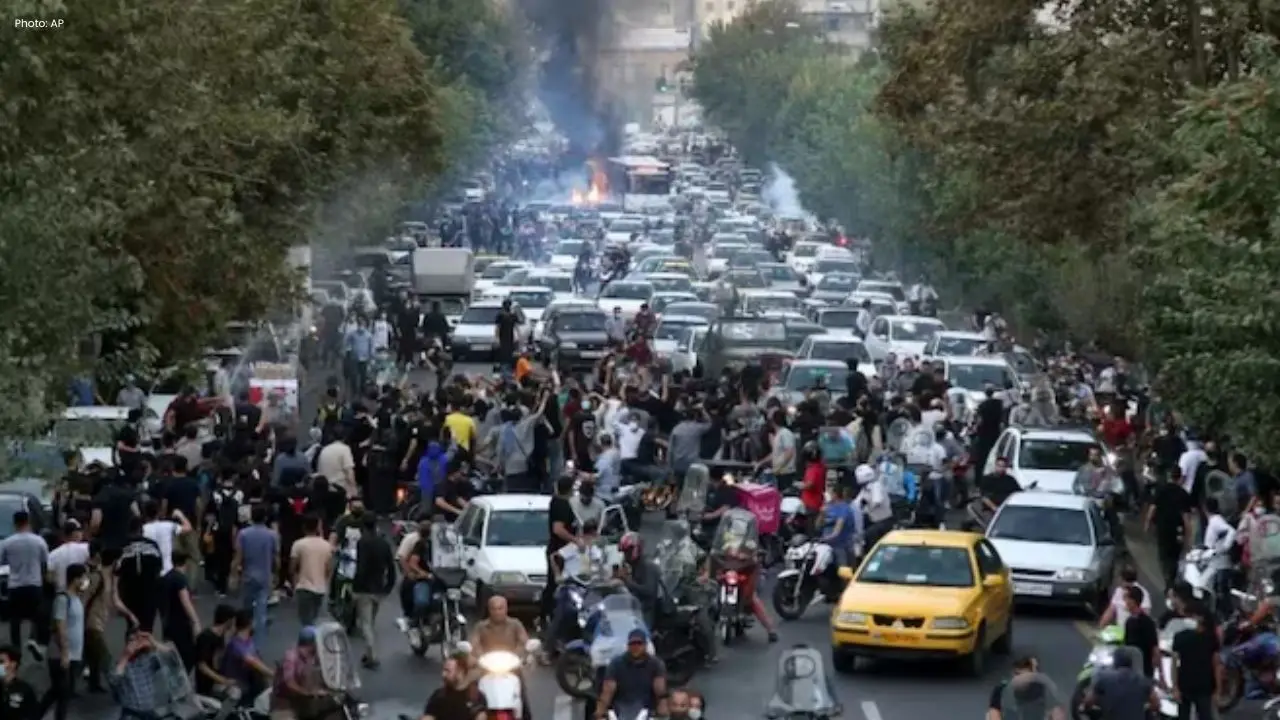
Iran has categorically denied the circulating social media claims that six Indian citizens were arrested by Iranian authorities amidst the rising wave of anti-government protests affecting daily life across Tehran and other cities.
Responding to these allegations, Iranian Ambassador to India, Mohammad Fathali, labeled the reports as untrue and urged the public to depend solely on verified news sources for updates regarding the situation in Iran. In a message on X, the ambassador pointed out that misleading information was being propagated by foreign entities concerning Iran's domestic affairs. He reassured that the circulating online reports regarding current events in Iran are entirely false and called for individuals to trust information from credible outlets.
Widespread demonstrations in Iran have been triggered by a substantial surge in living costs, rampant inflation, and the swift devaluation of the national currency. The Iranian rial has plummeted to unprecedented lows, intensifying public discontent over economic woes, unemployment rates, and the effects of international sanctions. What started as protests centered on economic hardship has progressively evolved into direct criticism of the country’s Islamic leadership, notably Supreme Leader Ayatollah Seyyed Ali Hosseini Khamenei.
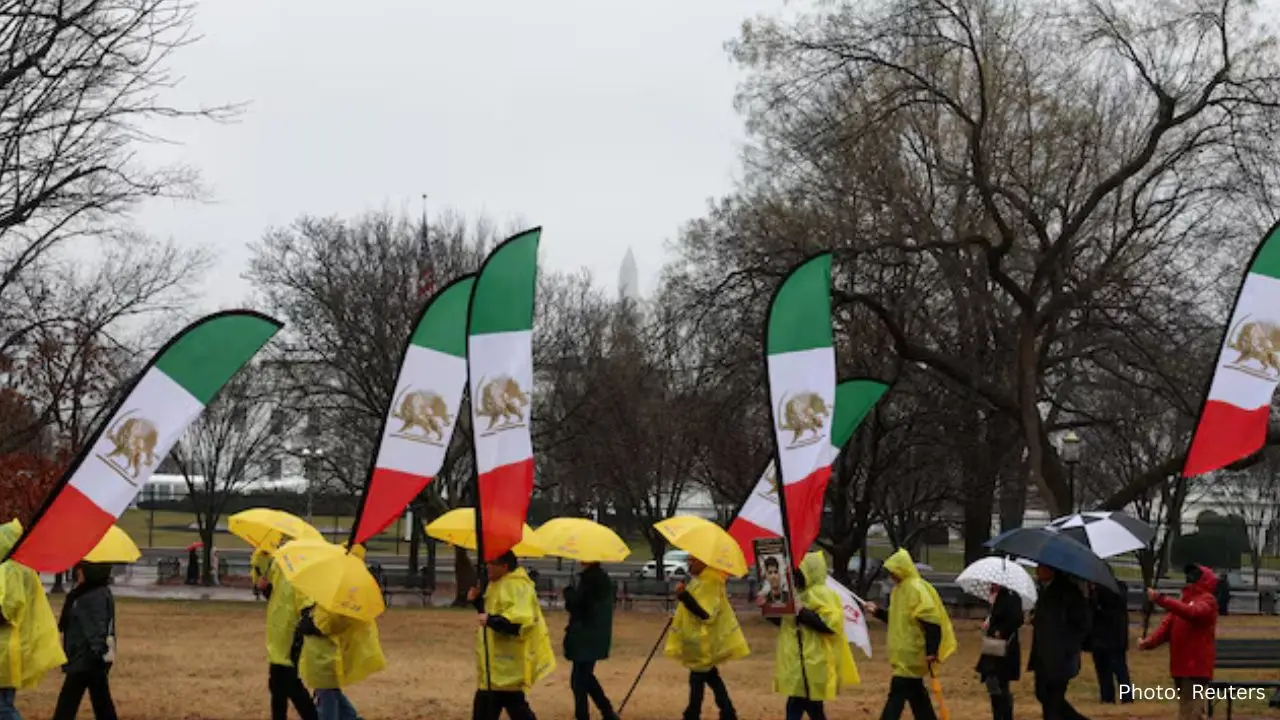
Protests have erupted across numerous provinces, with significant gatherings noted in cities like Tehran, Mashhad, and Kerman. Protesters have taken to the streets in droves, expressing their grievances against inflation, governance, and diminishing living conditions.
Activist groups report that at least 544 individuals have lost their lives during the government’s crackdown on demonstrations, with over 10,600 people reportedly apprehended in the last fortnight. The casualties include a mix of protesters and several security personnel. Iranian authorities have not provided official figures, although state media has broadcast funerals and footage showcasing violence from certain areas.
With severe limitations on internet access and disrupted phone services, gathering accurate information from within Iran is becoming increasingly challenging. Activists and human rights organizations are concerned that this communication blackout has emboldened hardline factions within the security forces to escalate their response to dissenters.
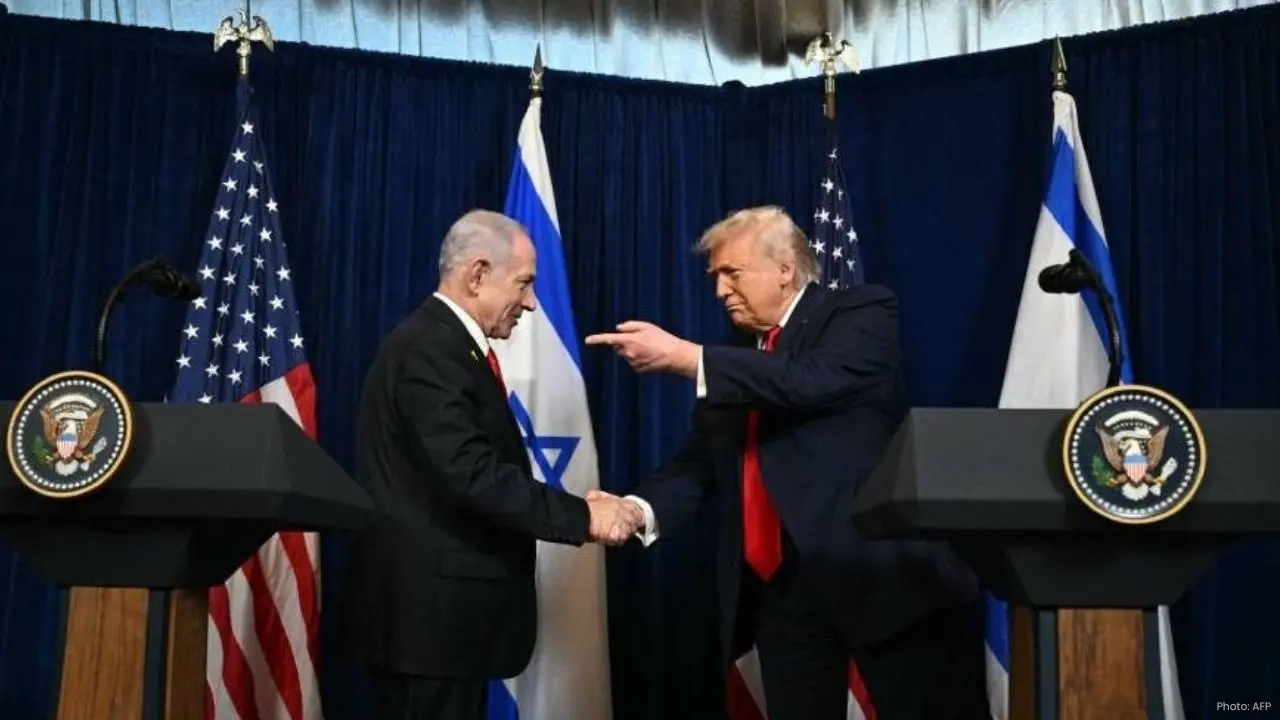
The turmoil has caught the attention of the international community, with the United States vigilantly observing the events. President Donald Trump has indicated that his administration is assessing various reactions to Iran’s handling of the protests, including potential cyber actions and military options. He cautioned that a strong response could follow if the situation worsens.
In reaction to these developments, senior figures in Iran have cautioned that any external interference will lead to retaliation. Iranian officials asserted that American military bases and Israeli installations in the region would be deemed legitimate targets if any force is exerted against Iran. The hardline discourse has escalated within Iran’s parliament, as lawmakers vocally condemned the US and Israel and issued warnings of pre-emptive strikes.
Despite the firm stance from authorities, protests continue sporadically. Various online videos depict demonstrators gathering at night, illuminating their phones, chanting messages, and facing off against security forces in different neighborhoods.
Reformist President Masoud Pezeshkian acknowledged the citizens' concerns but highlighted that, while the public grievances are legitimate, the government will not permit what he termed "rioters" to destabilize the nation.
As economic strains mount and political tensions heighten, Iran is confronting one of its most significant domestic challenges in recent memory, with the scenario remaining volatile and under close scrutiny by the global community.