The International Court of Justice (ICJ), the foremost judicial body of the United Nations, has launched pivotal hearings to determine if Myanmar perpetrated genocide against the Rohingya Muslim community. This pivotal moment holds significant weight for the Rohingya, who have endured prolonged suffering, and is integral to the ongoing global quest for justice and human rights.
This case was initiated in 2019 by The Gambia, a small West African nation, asserting that Myanmar contravened the 1948 Genocide Convention during a military campaign in 2017. This military action resulted in over 700,000 Rohingya fleeing their homes in Rakhine state to seek refuge in Bangladesh. Many families departed with nothing, leaving behind destroyed homes, missing loved ones, and enduring trauma.
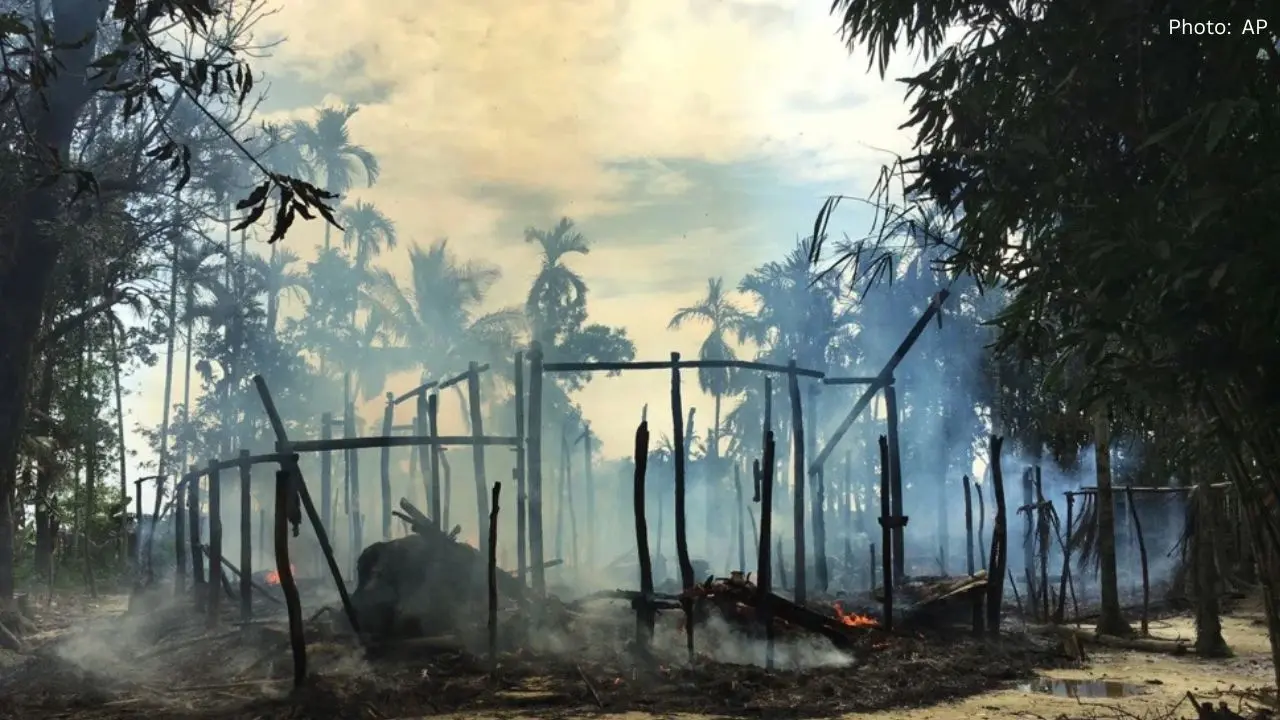
For decades, the Rohingya have faced systemic discrimination in Myanmar, bereft of citizenship, fundamental rights, and protection. Following assaults by a Rohingya militant group in 2017, Myanmar's military launched what it termed a security initiative. Survivors and human rights organizations have, however, detailed instances of mass murder, sexual violence, and the incineration of thousands of residences, eliciting an international outcry for accountability.
Myanmar has consistently denied the charges of genocide. Initially represented in court by Aung San Suu Kyi, a Nobel Prize laureate and Myanmar’s former civilian leader, she defended the military's actions as necessary measures against militants rather than an effort to annihilate an ethnic group. Following a military coup in 2021, Myanmar's political landscape has transformed drastically, with Aung San Suu Kyi now incarcerated on charges deemed by her advocates as fabricated and politically driven.
Myanmar attempted to obstruct the court proceedings, arguing that The Gambia lacked a direct stake in the conflict. However, in 2022, judges dismissed this claim, upholding that all countries under the Genocide Convention have a responsibility to act against genocide globally.
Amid ongoing legal discussions in The Hague, the plight of Rohingya refugees remains dire. Approximately 1.2 million Rohingya are confined in overcrowded camps in Bangladesh, facing abysmal living conditions. Many children lack access to education, food supplies diminish, and crime escalates. Recently imposed aid cuts have further deteriorated conditions, with reports of child malnutrition and illness.
For numerous Rohingya, the ICJ proceedings offer a flicker of hope. Advocates for refugees emphasize that these hearings signify the world has not entirely overlooked their plight. Although justice may be a prolonged process, being acknowledged by the highest UN court instills a sense of dignity and recognition among the victims.
The verdict in this case could yield significant international ramifications. Establishing genocide is inherently challenging, as the court must ascertain whether there was intent to annihilate a particular group. Legal specialists indicate that the court's ruling will likely influence future genocide cases and the evolution of international law, potentially impacting ongoing investigations at the International Criminal Court regarding Myanmar's military leader over atrocities against the Rohingya.
This case serves as a crucial litmus test for global promises to prevent genocide. For the Rohingya, it transcends legalities; it embodies the pursuit of truth, accountability, and the longing for a future where they can live in safety and freedom. With hearings now underway, the international community keenly observes in anticipation of whether justice can indeed draw nearer for one of the most marginalized groups worldwide.