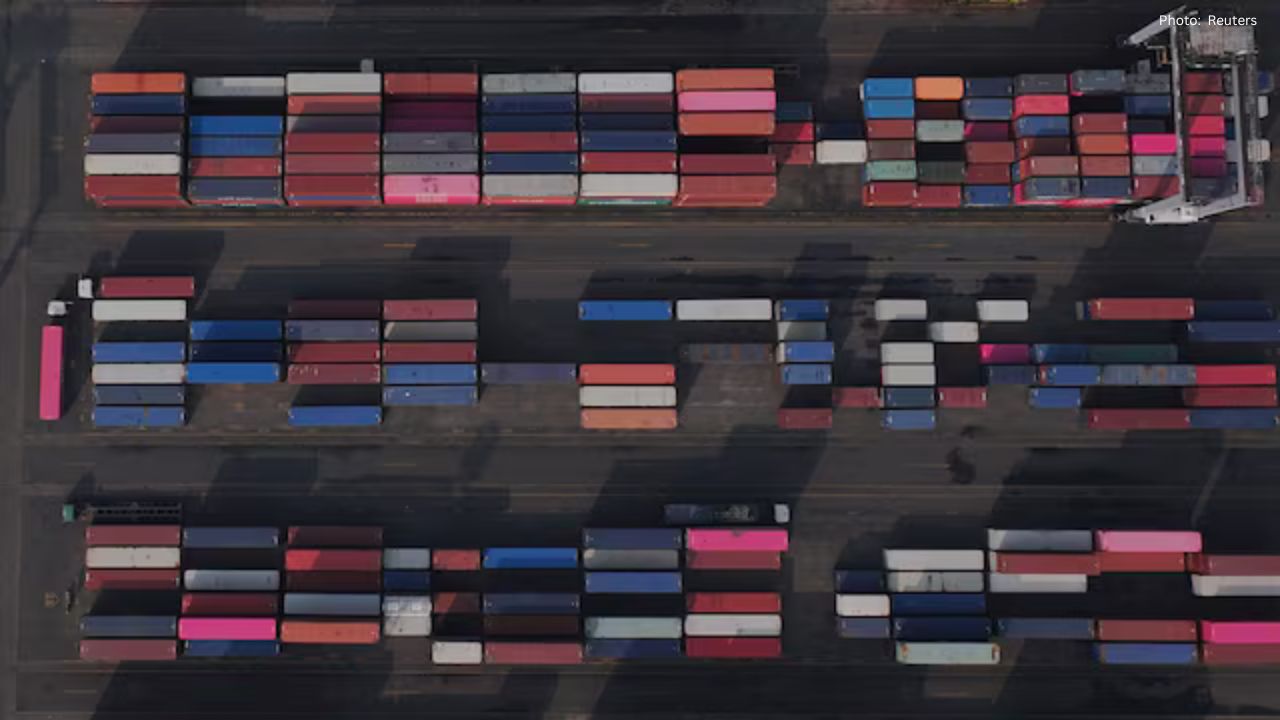
In a significant move to broaden its international trade footprint, Indonesia has entered into a free trade agreement with the Eurasian Economic Union, led by Russia. This agreement is poised to enhance economic relations, elevate exports, and unveil new market avenues for Indonesian enterprises.
The formal agreement was finalized in St. Petersburg, Russia, where the signing was witnessed by Russian President Vladimir Putin alongside leaders from other member nations of the Eurasian bloc. Indonesia was represented by Trade Minister Budi Santoso.
The Eurasian Economic Union comprises Russia, Armenia, Belarus, Kazakhstan, and Kyrgyzstan, collectively representing a market of approximately 180 million individuals. As part of the new deal, the bloc has committed to offering Indonesia preferential tariff arrangements on nearly 90.5% of its tariffs, allowing many Indonesian goods to enjoy reduced or eliminated import duties upon entry.
According to Indonesia’s trade ministry, this agreement follows two years of negotiations. While Jakarta hasn't disclosed the full scope of concessions made, officials are confident that this pact will substantially benefit Indonesia’s export sector.
Trade Minister Budi Santoso emphasized that the agreement would enable Indonesian products to gain broader and more competitive access to the markets within the Eurasian region. He pointed out that critical sectors such as palm oil, footwear, textiles, fisheries, rubber, furniture, and electronics are set to prosper. These sectors are crucial for employment and significantly contribute to Indonesia’s export-driven economy.
Bakytzhan Sagintayev, chairman of the Eurasian Economic Union, remarked that this free trade agreement has the potential to double bilateral trade between Indonesia and the bloc, reflecting mutual optimism regarding future economic collaboration.
Current trade data indicates significant potential for expansion. From January to October of this year, overall trade between Indonesia and the Eurasian Economic Union reached $4.4 billion, with Indonesian exports valued at $1.76 billion and imports totaling $2.64 billion. Key Indonesian exports to the region include palm oil, coconut oil, coffee, and cocoa, while the bloc primarily supplies coal, fertilizers, wheat, and ferro-alloys to Indonesia.
As the largest economy in Southeast Asia with a population nearing 280 million, Indonesia's new trade initiative aligns with its strategy to diversify trade partners and lessen dependency on established markets. By forming stronger connections with Eurasian nations, Indonesia aims to amplify exports, bolster local industries, and generate increased employment opportunities.
In summary, this agreement highlights Indonesia’s evolving influence in the global trade arena and its ambitions to forge vital economic partnerships beyond its immediate geographic surroundings.