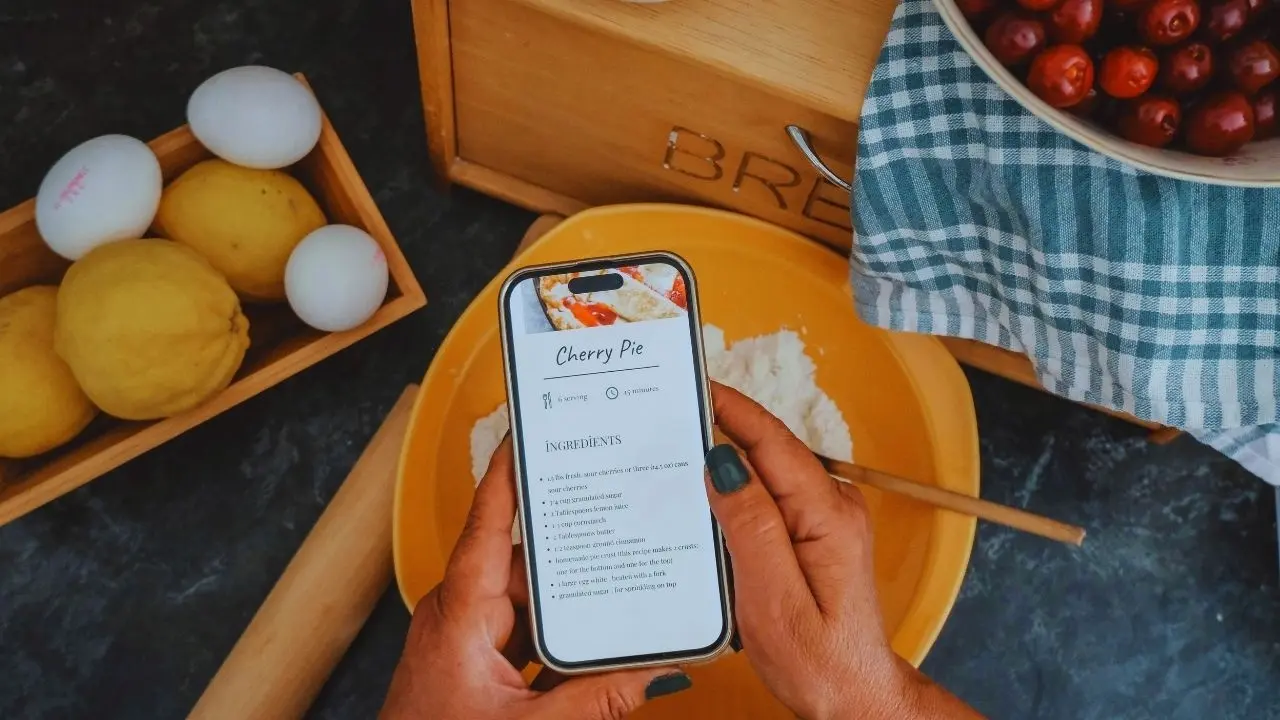
Cooking Has Become a Lifestyle Movement
Food is no longer just about filling a plate. In 2025, it has become a tool for healing, identity, and control in an increasingly uncertain world. What once lived quietly in cookbooks now dominates everyday conversations: what we eat, how we prepare it, and why it matters more than ever.
Across cities, small towns, and high-rise apartments, people are reclaiming their kitchens. Cooking is no longer an outdated chore—it is emotional therapy, preventive medicine, and creative expression rolled into one. The explosion of interest in healthy meals, homemade ingredients, and traditional preparation methods is not accidental. It is a collective response to years of lifestyle damage, emotional burnout, and a growing distrust of processed food.
People are not just asking, “What tastes good?”
They are asking, “What heals me?”
And the answer, more often than not, begins at home.
Why Eating Habits Changed So Dramatically
The Health Wake-Up Call
Years of high stress, poor sleep, fast food, and inactivity have caught up with society. The results are visible everywhere:
-
Rising obesity
-
Frequent digestive disorders
-
Early lifestyle diseases
-
Fatigue that does not disappear
-
Increased food intolerance
The pandemic years made one truth unavoidable: good health cannot be outsourced.
Hospitals can treat, but food prevents.
Medicine manages, but nutrition corrects.
That realisation shifted priorities more than any diet trend ever could.
The Emotional Weight of Modern Life
More people now connect food with emotional stability. Home cooking offers:
-
Control in uncertain times
-
Comfort after exhausting days
-
Stability during emotional stress
-
A sense of grounding in chaotic routines
Preparing food creates a rhythm. It offers certainty in a world that rarely does.
The Rise of Home Kitchens as Wellness Zones
Kitchens Are Becoming Care Centres
People are redesigning kitchens to serve health goals:
-
Replacing plastic containers with glass and steel
-
Installing water filters
-
Creating spice shelves instead of snack drawers
-
Storing grains instead of processed cereals
Food spaces now resemble wellness zones.
Every ingredient stored is intentional.
Every recipe chosen is deliberate.
Cooking Is Now Part of Self-Care
Self-care once meant spa days and television marathons. In 2025, it means:
-
Cooking slowly
-
Eating consciously
-
Understanding ingredients
-
Reducing chemical exposure
-
Respecting hunger and fullness
Food is not therapy.
Food delivers therapy.
DIY Food Is Replacing Factory Food
The Trust Shift
People are questioning what goes into packaged food:
-
Hidden sugars
-
Excess salt
-
Preservatives
-
Artificial colours
-
Chemical flavouring
Labels have become long.
Suspicion has increased.
DIY food promises:
-
Transparency
-
Simplicity
-
Freshness
-
Customisation
When you make it yourself, you decide what goes in—and what stays out.
Homemade Is No Longer Old-Fashioned
What was once dismissed as “traditional” is now considered innovative:
-
Fermenting foods
-
Grinding fresh spices
-
Making flours
-
Cooking from scratch
-
Preserving naturally
This is not revival.
It is reclamation.
People are reclaiming skills lost to convenience culture.
From Diets to Lifestyle Shifts
No One Trusts Fad Diets Anymore
Quick fixes no longer convince anyone:
-
Extreme restrictions
-
Miracle supplements
-
Unrealistic routines
Instead, people are embracing:
-
Balanced eating
-
Ingredient awareness
-
Portion control
-
Regular meals
-
Traditional recipes
People don’t want temporary weight loss.
They want permanent health.
Food as a Daily Medicine
More households are treating meals as part of health routine:
Which means:
Food is being scheduled like medicine.
Not consumed like entertainment.
Clean Eating Is Becoming Common Sense
Natural Ingredients Are Trending for a Reason
People are shifting to:
-
Cold-pressed oils
-
Whole grains
-
Unprocessed salts
-
Fresh produce
-
Natural sweeteners
Not because it sounds fashionable.
But because bodies feel better on cleaner fuel.
People Are Learning to Read Food Like Data
Food literacy is increasing:
-
Checking nutritional value
-
Avoiding unrecognisable chemicals
-
Understanding sugar content
-
Noticing fat quality
-
Calculating portion sizes
Food shopping is no longer mindless.
It’s mindful economics for the body.
Traditional Food Is Making a Strong Return
Grandmother’s Recipes Are Now Trending
What once lived in handwritten notebooks is being revived:
-
Slow cooking
-
Natural fermentation
-
Seasonal vegetables
-
Herbal infusions
-
Homemade spice blends
Traditional meals provide:
-
Better digestion
-
Higher nutritional value
-
Lower chemical exposure
-
Emotional familiarity
Culture is now being eaten daily.
Food and Mental Health Are Intertwined
What You Eat Shapes How You Feel
Mental fatigue no longer feels random:
-
Sugar crashes increase anxiety
-
Processed foods deepen exhaustion
-
Unbalanced diets worsen mood swings
-
Poor digestion links to low energy
Nutrition is now part of emotional hygiene.
Cognitive Wellness Begins in the Kitchen
Improved diets have shown noticeable shifts:
Clarity of mind begins with clarity of diet.
The Rise of Ingredient Consciousness
Ingredients Are Gaining More Attention Than Recipes
Instead of asking “How tasty is it?”
People are asking “What’s inside?”
Focus has shifted toward:
-
Protein sources
-
Healthy fats
-
Fibre intake
-
Mineral content
-
Natural sugar levels
The ingredient is now the star.
The Decline of Ultra-Processed Food
People are actively removing:
Not due to fear.
Because the body protests.
And society is finally listening.
Healthy Eating Has Become a Financial Investment
People Are Spending More on Food Quality
Better ingredients cost more upfront.
But the savings appear in:
-
Lower medical bills
-
Fewer sick days
-
Better productivity
-
Fewer energy crashes
People now view food as insurance.
Not expense.
Insurance Policies Changed—Food Policies Took Over
In kitchens, not offices, people now:
-
Plan protection
-
Eliminate risk
-
Improve longevity
-
Build resilience
Food is insurance you eat.
The Emotional Economy Around Food
Guilt Has Been Replaced With Responsibility
No more eating out of boredom.
No guilt binge cycles.
No headline diets.
People now eat to respect themselves.
Self-respect is reflected on the plate.
Social Media Changed Food Culture Permanently
Food Became Education Through Screens
Short videos and cooking reels have:
Kitchen confidence is rising with every swipe.
The Generational Shift Is Clear
Young People Are Cooking More Than Ever
Contrary to stereotypes, younger generations are:
Cooking is no longer a parent-skill.
It is a life-skill.
Environment Is Driving Food Choices Too
Sustainability Is Influencing Diets
People are choosing:
-
Local ingredients
-
Seasonal produce
-
Reduced waste
-
Home composting
-
Fewer plastics
People are not just feeding themselves.
They are feeding responsibility.
The Decline of Fast Food Culture
Speed Is No Longer Everything
The obsession with speed is fading.
Cooking is slow.
Eating is mindful.
Digesting is respected.
Quality now beats convenience.
Breaking the Cycle of Food Addiction
Sugar and Salt Awareness Is Growing
People now identify:
-
Hidden sugars
-
Sodium overload
-
Taste manipulation
Industry dependency is weakening.
Citizen awareness is strengthening.
Health is Being Cooked Daily at Home
Prevention Is Becoming a Routine
People cook for:
-
Immunity
-
Energy
-Mood balance
-
Gut health
-
Longevity
Food is not accidental.
It is strategic.
Healthcare Begins in the Kitchen
Doctors Are Recommending Food Before Medicine
Hospitals increasingly emphasize:
Prescription pads now extend to plates.
Why This Trend Will Not Die Out
This Is Not a Phase — It’s Protection
Healthy eating is not a temporary trend.
It is civilisation adapting.
This shift is permanent because:
-
Healthcare is expensive
-
Food controls health
-
People prefer prevention
-
Education spreads fast
-
Families want longevity
Conclusion: The Kitchen Is the New Clinic
In 2025, the kitchen has taken on a new identity. It is no longer a service space. It is a healing space. Food has become a source of strength rather than indulgence.
People are learning that:
Where once recipes satisfied hunger, today they design lifestyles.
The plate no longer reflects taste alone.
It reflects intention.
And in a world increasingly defined by stress, pollution, and uncertainty, people are finding certainty in chopping boards, stirring spoons, and carefully chosen ingredients.
The kitchen is no longer behind the house.
It stands at the centre of life.
Disclaimer:
This article is for informational and educational purposes only. It does not replace professional medical, nutritional, or health advice. Individual dietary needs vary, and readers should consult qualified professionals for personal guidance.