A Pivotal Era in Human Genetic Innovation
As we enter 2025, genetic editing stands at a significant juncture, where cutting-edge science meets deep moral considerations. What began as modest gene modifications decades ago has transformed into an impressive array of technologies designed to alter life's fundamental blueprint. Researchers now correct genetic disorders prior to birth, engineer crops that resist diseases, modify immune cells to combat cancer, and even explore concepts that were once confined to the realm of science fiction.
However, with increased capabilities come pressing questions. How far should we proceed? Who is authorized to determine which modifications are permissible? What happens when efforts aimed at correcting health issues are utilized for enhancement? These queries are critical as we shape the future of genetic editing in 2025.
This piece examines today’s advancements, breakthroughs, and ethical boundaries within the realm of genetic editing, as well as predictions for the future.
Technological Foundations of Genetic Editing in 2025
The CRISPR Revolution
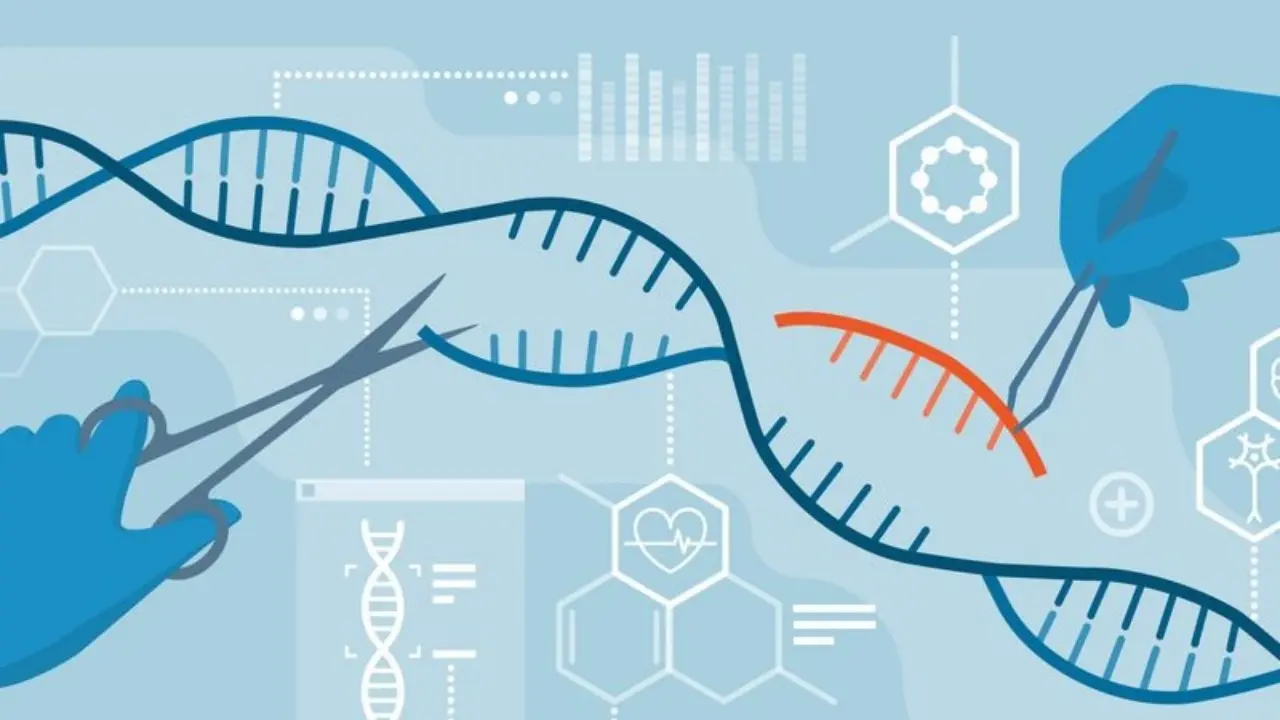
The CRISPR-Cas technology continues to be the backbone of contemporary genome modification. It allows scientists to:
cut DNA with pinpoint accuracy
excise detrimental sequences
insert corrected genes
activate or deactivate genes at will
Its rapid, cost-effective, and precise capabilities have made CRISPR essential for cutting-edge genome engineering initiatives.
Advancements: Base & Prime Editing
Beyond CRISPR's cutting, base, and prime editing provide avenues for genomic alterations without inducing double-strand breaks, minimizing error rates and potential risks.
Base Editing tackles single-base corrections, ideal for addressing minor genetic disorders.
Prime Editing functions similarly to a word processor, allowing the precise replacement or insertion of larger DNA segments.
These innovative methods are crucial for developing treatments for rare and complex conditions.
RNA Editing: A Reversible Approach
RNA editing modifies gene expression without altering the underlying DNA. This temporary technique proves useful for:
These RNA tools afford flexibility and can aid scientists in safely navigating the complex genetic landscape.
Breakthroughs of 2025: Current Achievements
Correcting Genetic Disorders Before Birth
By 2025, advancements in gene therapy enable specific inherited conditions, such as spinal muscular atrophy, to be rectified in utero, averting permanent damage.
This shift represents a monumental change in medical practice, transitioning from treatment to prevention.
Progress in Cancer Treatments
The refinement of CAR-T cell therapy and other edited immune approaches allows scientists to:
engineer immune cells for targeted tumor destruction
enhance natural immune responses
minimize rejection and toxicity risks
These personalized therapies are bringing renewed hope for patients facing previously untreatable cancers.
Revolutionizing Agriculture Through Genetic Innovation
By 2025, advancements in genetic editing play a crucial role in ensuring food security with innovations like:
crops that withstand drought
plants resistant to diseases
high-performing varieties
enhanced nutritional content
This technology empowers farmers to cultivate sustainable, resilient produce without dependence on harmful chemicals.
Xenotransplantation Breakthroughs
Innovation in genetic editing paves the way for xenotransplantation, allowing organs from edited animals to be safely transplanted into humans, reducing the likelihood of rejection.
Eradicating Hereditary Conditions at Embryonic Stages
Preimplantation gene editing makes it feasible for families with dangerous genetic mutations to have children free from hereditary conditions, moving toward regulated procedures despite ongoing debates.
Ethical Questions: Where Should We Draw the Line?
Health vs. Enhancement
In 2025, one of the key discussions revolves around whether genetic editing should prioritize medical treatment or allow enhancements like greater intelligence or physical prowess.
Critics caution that enhancement might lead to:
genetic disparities
the rise of designer offspring
new discriminatory practices
long-term biological uncertainties
On the other hand, supporters suggest that enhancement represents the next leap in human evolution.
Access and Affordability: Questions of Equity
The high costs associated with cutting-edge genetic treatments raise concerns regarding access, potentially favoring affluent individuals or nations. This could exacerbate existing health inequalities, leading privileged populations to enjoy biological benefits unavailable to others.
Ensuring fair access stands as a major ethical challenge for the future.
Risks of Unintended Genetic Outcomes
Despite advancements, genetic editing poses risks of:
The consequences of germline editing—changes impacting unborn children and subsequent generations—remain largely unknown.
Regulatory Landscape of 2025: Approved vs. Prohibited Practices
Wider Acceptance of Somatic Cell Editing
Somatic cell editing, which affects only the individual undergoing treatment, has gained broader acceptance for conditions with evident therapeutic benefits. Many countries have frameworks for clinical trials and regulated therapies.
These include:
cancer gene editing
blood disorders
metabolic conditions
immune diseases
Somatic editing is perceived as the most secure and ethically sound genetic intervention.
Germline Editing Remains Stringently Controlled
Changes to embryos, sperm, or eggs—which would affect subsequent generations—are still tightly regulated or banned in many regions due to concerns over:
Scientific organizations worldwide advise caution until comprehensive safety insights emerge.
Global Guidelines: A Slow Evolution
Despite rapid scientific growth, global regulatory measures lag. Nations hold varied stances regarding genetic modifications, creating a fragmented regulatory environment that complicates research and raises concerns about "genetic tourism"—where individuals pursue procedures in less regulated jurisdictions.
Challenges in Genetic Editing
Even with notable progress, hurdles remain in 2025:
Complex Diseases Present Significant Challenges
Disorders influenced by multiple genetic factors—such as diabetes, heart disease, Alzheimer’s, and autism—continue to resist straightforward editing therapies, given their intricate gene-environment interplay.
Enhancing Delivery Systems
A key obstacle in genetic editing is the safe and effective delivery of interventions to the appropriate tissues. Current approaches, including viral vectors and lipid nanoparticles, show promise but are far from flawless.
Ongoing research focuses on:
tissue-targeting nanoparticles
refined viral vectors
non-viral delivery systems
next-gen molecular carriers
Challenges with Large DNA Edits
While small genomic changes can be executed with precision, manipulating larger DNA segments presents substantial risks and technical obstacles.
The Road Ahead: Future Visions for Genetic Editing
Creating Personalized Genetic Profiles
Projected advancements may lead to entirely customized genetic profiles—addressing not just illness but enhancing overall well-being from birth onward.
Combatting Aging
Genetic modifications could help:
These innovations remain in preliminary stages but promise vast potential.
Developing Resistance to Viral Threats
Researchers foresee possibilities of editing human genes to enhance resistance against lethal viruses, effectively curtailing the spread of pandemics.
Synthetic Biology and Artificial Chromosomes
Scientists are exploring artificial gene networks and synthetic chromosomes, which could provide entirely new biological functionalities not seen in nature.
Ecological Gene Techniques for Conservation
Methods like gene drives could facilitate controlling mosquito populations, preserving endangered species, or eradicating invasive species, though these tools demand careful ecological evaluations.
Conclusion: Genetic Editing Horizons Expand—And So Does Accountability
In 2025, genetic editing stands on the brink of extraordinary potential coupled with significant ethical responsibilities. The ability to cure previously unmanageable diseases, transform agricultural practices, and redefine biological norms also comes with profound implications that warrant careful consideration.
The extent of our pursuits hinges not only on scientific ventures but also on societal choices. The future will clarify whether genetic editing serves as a catalyst for equitable progress or a mechanism that deepens societal chasms.
One undeniable truth remains: the future of our biological existence is being rewritten—one gene at a time.
Disclaimer: This article provides an overview of advancements and ethical dilemmas surrounding genetic editing, and is not intended as scientific, medical, or legal guidance.