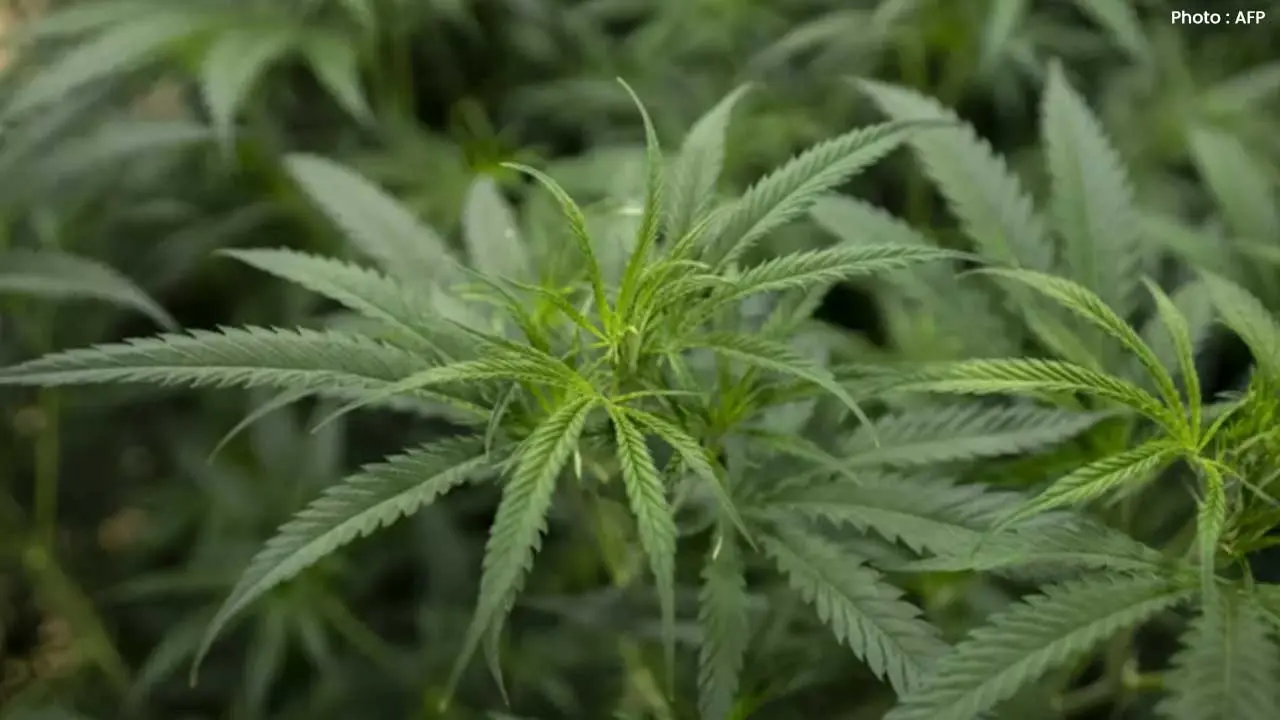
US President Donald Trump has indicated that his administration is actively contemplating the reclassification of marijuana, potentially easing federal restrictions on its use. This initiative could signal a pivotal change in the federal government's longstanding stance on marijuana legislation in the U.S.
At a press conference on Monday, Trump confirmed that discussions about altering marijuana's classification under federal law are in progress. When questioned about the possibility of an executive order regarding this matter, Trump affirmed that it is currently under review by his administration.
According to Trump, there is widespread support for reclassifying marijuana, as its current legal status hinders scientific research. He noted that stringent federal regulations limit the capacity for comprehensive studies on marijuana, and changing its classification could facilitate expanded medical and scientific inquiry in the near future.
Currently, marijuana is categorized as a Schedule I substance federally, which includes drugs viewed as having a high potential for abuse with no recognized medical application. This classification places marijuana in the same category as heroin and LSD, leading to the tightest federal regulations.
Despite federal restrictions, state laws regarding marijuana vary significantly across the U.S. Numerous states have legalized medical marijuana, while others allow recreational use. As it stands, 24 states and Washington, DC, permit some forms of marijuana for recreational purposes, spotlighting the disparity between state regulations and federal policy.
Reports indicate that President Trump is likely to advocate for moving marijuana to Schedule III, a category that includes drugs deemed to have medical benefits and a lower risk of abuse, such as ketamine and anabolic steroids.
Reclassifying marijuana would not equate to full legalization or decriminalization at the federal level; however, it would significantly lessen existing restrictions. Experts predict that such a change could streamline clinical research opportunities, as Schedule I substances require extensive approval processes before studies can commence.
This shift may also have substantial financial repercussions for the legal cannabis market. Businesses engaged in the legal growing and sale of marijuana could see benefits from reduced taxation and fewer regulatory hurdles if marijuana were reclassified.
It’s crucial to acknowledge that the president does not hold the authority to reclassify a drug unilaterally. Any alteration would necessitate formal measures from federal agencies. Reports suggest that Trump is poised to issue an executive order directing these agencies to initiate the reclassification process.
The subject of marijuana reclassification is not unprecedented; the prior administration also considered modifications to marijuana’s federal categorization, but efforts were stalled and not finalized before Trump assumed office in early 2025.
The United States remains characterized by a complex framework of marijuana regulations, with states individually determining their rules concerning possession, cultivation, and commercial sales. Trump’s recent statements imply that federal marijuana policies may soon align more closely with the laws already practiced in many states.
If pursued, marijuana reclassification could prove to be one of the most significant shifts in drug policy in recent years, influencing a range of factors from research to business operations and federal enforcement.