Education Is Entering Its Most Transformative Era
Across the world, education is experiencing changes unlike anything seen in the last hundred years. Technology, globalization, shifting work demands, digital lifestyles and social expectations are reshaping the purpose, structure and delivery of learning. What once revolved around textbooks, classrooms and standardized lectures is evolving into a dynamic, technology-enabled, personalized model that adapts to each learner’s needs.
The future of education is not about replacing teachers or classrooms. Instead, it is about expanding the role of learning, making it more accessible, more relevant and more connected to the real world. As change accelerates globally, education systems must prepare students not just for exams but for an unpredictable, fast-shifting future.
Why Traditional Education Models Are No Longer Enough
The Skills the World Needs Have Changed
For decades, education systems focused on memorization, fixed curriculums and standard evaluations. But the world no longer functions on static knowledge. Today’s economy demands:
-
creativity
-
problem-solving
-
digital fluency
-
emotional intelligence
-
communication
-
adaptability
Traditional teaching methods struggle to develop these skills effectively.
Students Learn Differently in a Digital Age
Modern learners grow up surrounded by technology — smartphones, interactive apps, instant search tools and social platforms. Their attention spans, learning patterns and motivations differ drastically from earlier generations. They expect interactivity, flexibility and real-time feedback, something conventional models don’t fully provide.
Global Uncertainty Requires Flexible Knowledge
Rapid changes in jobs, industries, climate patterns, technology and politics require students to develop resilience and lifelong learning habits. Education must prepare them for unknown future scenarios.
Technology Is Becoming the Backbone of Future Learning
AI-Driven Personalized Learning Will Transform Classrooms
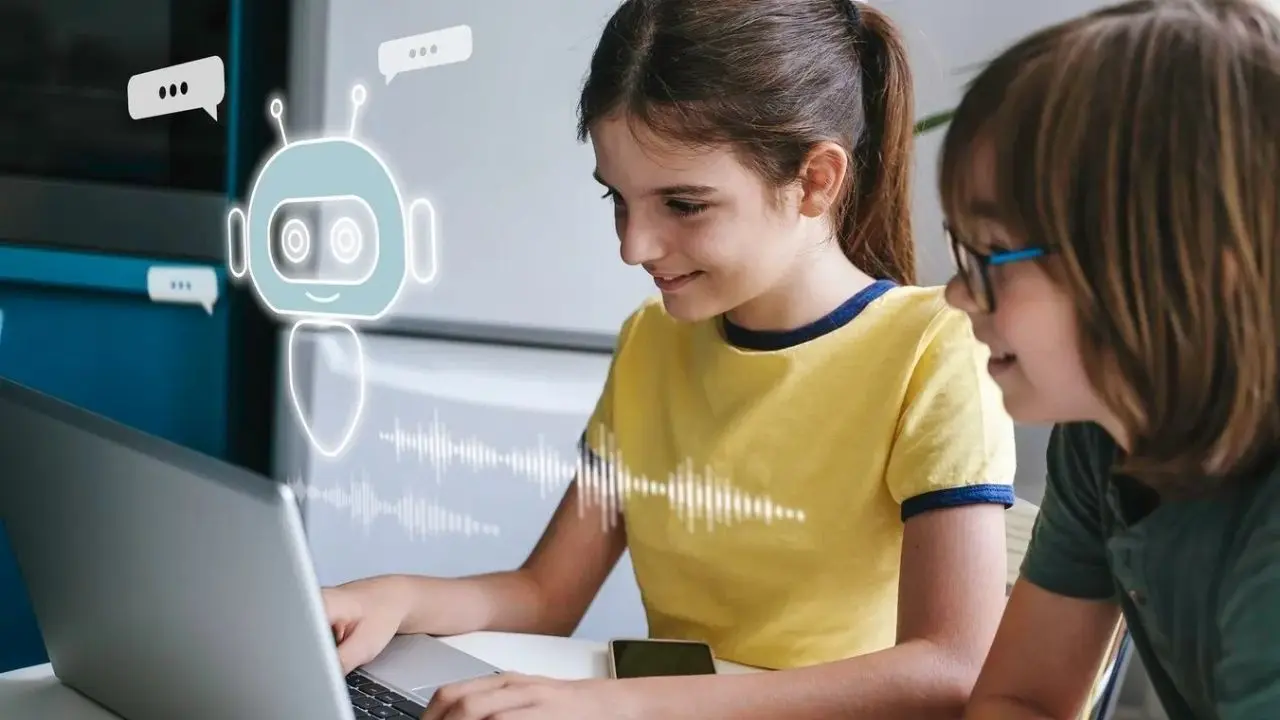
Artificial intelligence is revolutionizing how students learn. AI tools can track each student’s pace, strengths, weaknesses and interests, creating customized learning pathways. Instead of a single curriculum for all, AI-driven platforms adjust difficulty levels, recommend practice exercises and provide instant feedback.
Teachers Will Gain Intelligent Assistants, Not Replacements
Future teachers will spend less time on repetitive tasks such as grading, scheduling and administrative work. AI systems will:
This frees teachers to focus on mentoring, emotional support, creativity, discussion and real human connection.
Virtual Classrooms Will Become Commonplace
Video platforms and virtual collaboration tools will be deeply integrated into education. Students across the globe will attend classes together, work on joint projects, and learn from global educators. This breaks geographical barriers and democratizes learning.
Digital Learning Environments Will Redefine Access
Remote and Hybrid Learning Will Become Standard
During global disruptions, education shifted online out of necessity. Now, remote and hybrid models are becoming long-term structures. Students may attend physical classes only part-time and continue their studies online for flexibility, self-paced learning and convenience.
Smart Devices Will Become Learning Hubs
Students will use tablets, laptops and smart devices not just as supplementary tools, but as core components of the learning process. Interactive apps, virtual simulations, science experiment tools and 3D learning environments will enhance understanding.
Education Will Move Beyond the Classroom Walls
Real learning will happen everywhere — at home, in libraries, at innovation labs, in workplaces, and even outdoors. Field-based and community-based learning will become more valuable as practical experience gains importance.
Curriculums Will Be Redefined for a Changing World
Subjects Will Evolve to Match Future Needs
Education systems will gradually introduce or expand subjects such as:
-
robotics and automation
-
climate science
-
mental health awareness
-
digital citizenship
-
entrepreneurship
-
global economics
-
ethical AI
-
cybersecurity
These subjects reflect real-world needs instead of outdated academic expectations.
Interdisciplinary Education Will Replace Rigid Streams
The future does not fit neatly into science, commerce or arts divisions. Students will increasingly choose interdisciplinary paths — blending technology with humanities, business with psychology, or science with environmental studies.
Critical Thinking Will Become More Important Than Memorization
Schools will prioritize:
-
analysis
-
evaluation
-
reasoning
-
creativity
-
problem solving
Information is easily accessible today; the skill lies in interpreting, understanding and applying it effectively.
Assessment Models Will Undergo a Major Renovation
Exams Will Shift From Memory Tests to Skills Demonstrations
Standardized tests that reward memorization will gradually be replaced by:
-
project-based evaluations
-
real-world problem solving
-
group collaboration challenges
-
digital portfolios
-
practical assessments
This will encourage deeper understanding rather than rote learning.
Continuous Assessment Will Replace One-Time Evaluations
Students will be evaluated throughout the year using quizzes, assignments, presentations and interactive sessions. This makes learning less stressful and more reflective of actual performance.
AI Will Help Detect Student Strengths Early
AI algorithms can identify talent patterns early — whether a student excels in music, coding, writing, math or leadership. Early identification helps students pursue natural strengths instead of forcing traditional career paths.
The Role of Teachers Will Become More Valuable, Not Less
Teachers Will Become Mentors, Guides and Facilitators
With AI handling data-driven tasks, teachers will focus on:
Human qualities will become central to education.
Teacher Training Will Evolve Dramatically
Educators will need training in:
The teacher of the future will be part instructor, part counselor, part innovator.
Students Will Become Active Participants in Their Learning
Learners Will Choose What They Study and How They Learn
Future education systems will empower students by offering flexible curriculums, choice-based modules and personalized learning tracks. Students will shape their education based on interest and ambition.
Hands-On, Practical Learning Will Gain Importance
Workshops, internships, maker labs, innovation challenges and entrepreneurship programs will complement academic study. Practical knowledge will matter as much as theoretical concepts.
Peer Learning Will Become a Core Element
Students will collaborate more with classmates, share resources, co-create projects and build strong communication skills — essential for modern work environments.
Globalization Will Reshape the Purpose of Education
Students Will Learn for a Global World, Not a Local One
Education will emphasize global awareness — cultures, languages, international relations, global markets and collaborative problem solving.
Cross-Country Learning Will Gain Popularity
Virtual exchange programs, global classrooms and international mentorship sessions will become normal experiences.
Multilingual Skills Will Become Valuable Assets
Language skills will be in demand, especially in global business, diplomacy and technology.
Education Will Focus More on Mental, Emotional and Social Well-Being
Schools Will Teach Emotional Intelligence as a Core Subject
Students will learn:
-
empathy
-
confidence
-
resilience
-
conflict resolution
-
mindfulness
Mental well-being will become central rather than an afterthought.
Counseling Support Will Be Stronger and More Accessible
Future schools will offer:
-
wellness programs
-
mental health workshops
-
trained counselors
-
peer support groups
A happy learner is a more effective learner.
The Future of Education Will Encourage Lifelong Learning
Education Will Not End With Graduation
Workers will continually upgrade skills through:
Constant upskilling will be required to stay relevant in evolving industries.
Career Changes Will Be Common — and Education Will Support It
People may switch careers multiple times. Education systems will support adults with flexible, modular learning pathways that allow continuous reinvention.
Challenges the Future of Education Must Address
Digital Divide Between Rich and Poor
Not all students have access to technology. Without careful planning, the gap may widen. Governments and institutions must invest heavily in digital access.
Balancing Technology and Human Values
AI is powerful, but it cannot replace compassion, ethics or emotional judgment. Education must maintain this balance.
Maintaining Quality in Online Education
With the rise of online platforms, quality control becomes crucial to prevent misinformation or poorly designed programs.
Final Thoughts: A Learning Revolution Is Coming — And Everyone Has a Role
The future of education is not merely digital — it is human-centered, flexible, global, inclusive and deeply interconnected with the real world. The next decade will redefine what it means to learn, teach and grow. Students will become explorers, teachers will become mentors, and technology will become a silent partner in shaping knowledge.
Education is no longer about preparing for one career — it is about preparing for life in an ever-changing world.
Disclaimer:
This article is for informational purposes only and reflects emerging trends in global education based on current observations.