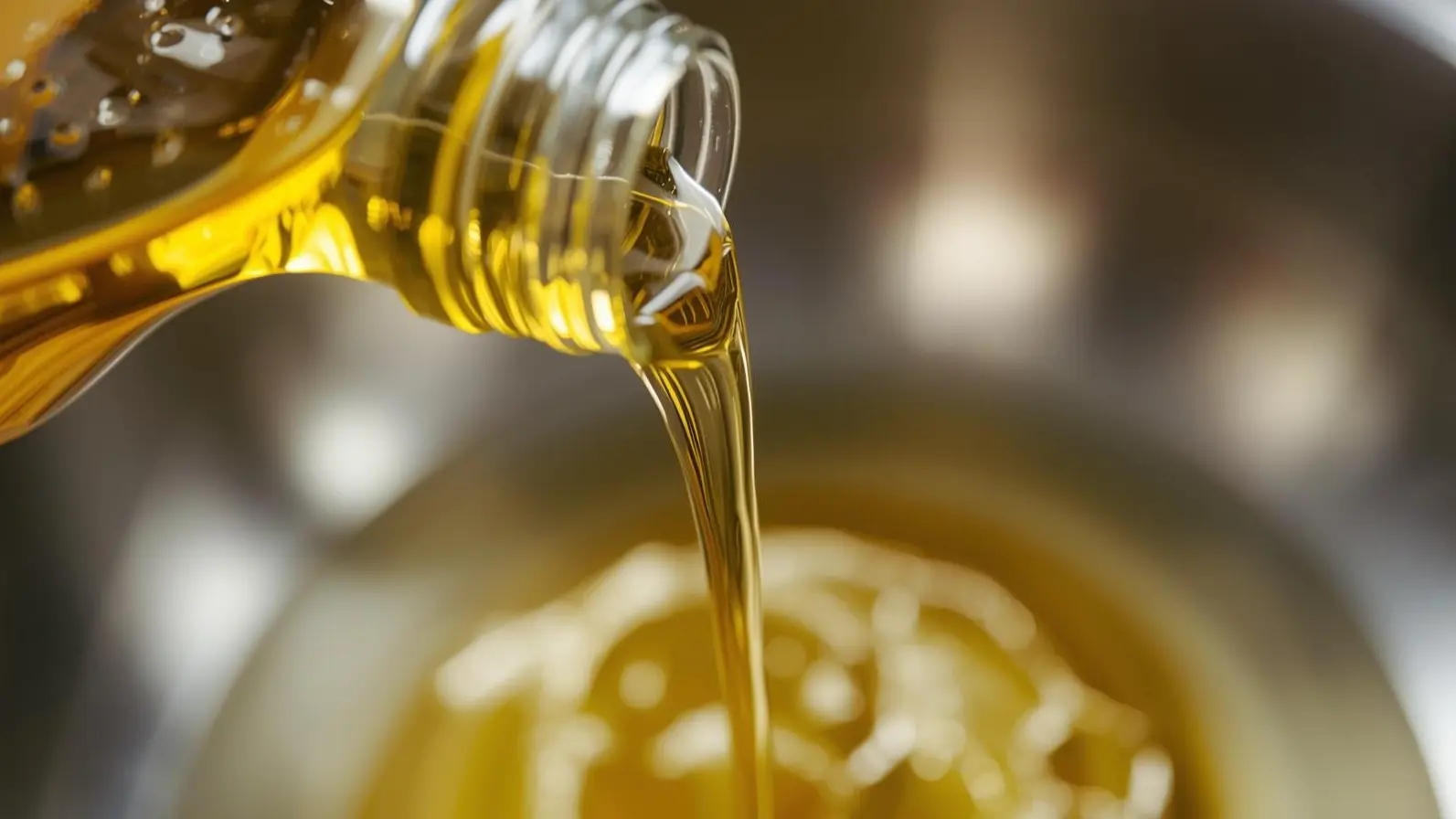
Enhancing Flavor While Cutting Oil in Everyday Cooking
Reducing oil in your cooking doesn’t imply losing flavor. Several cuisines emphasize spices, careful heat management, fresh ingredients, and culinary techniques rather than oil for depth and richness. Whether your goal is heart health, weight management, or lighter meals, it's easier than many think to lower oil usage. This guide presents practical strategies for reducing oil while keeping taste, texture, and aroma intact, applicable to Indian, Asian, Mediterranean, and Western cooking.
The Importance of Reducing Oil
Many home kitchens use excess oil, sometimes 2–3 times more than needed, often adding unwanted calories without enhancing taste. By cutting down, you can:
-
Boost digestion
-
Minimize inflammation
-
Manage cholesterol levels
-
Assist in better weight control
-
Preserve nutrients in food
However, a common concern arises: “Will my food taste bland?”
The answer is no—if the right methods are employed.
Identifying Key Areas for Oil Usage
To effectively cut down on oil, pinpoint where it's utilized the most:
Adopt Water Sautéing Over Oil
One effective way to cut back on oil is to sauté onions, ginger, garlic, and tomatoes using water or broth. Here’s how:
-
Heat your pan as usual.
-
Add 2–3 tablespoons of water in place of oil.
-
Add onions and cook until tender.
-
Mix in tomatoes, spices, or aromatics.
-
Add more water as needed.
This method:
-
Reduces oil usage in curries by as much as 90%
-
Enhances caramelization through slower cooking
-
Allows spices to bloom without burning
Once your base is cooked, finish with 1–2 teaspoons of oil for aroma, achieving a flavor profile close to traditionally oil-heavy dishes.
Opt for Non-Stick or Ceramic Cookware
Many add extra oil merely to prevent sticking. Utilizing:
-
Non-stick pans
-
Well-seasoned cast iron
-
Ceramic-coated pans
can significantly minimize this. For items like stir-fries, eggs, and pancakes, even 1 teaspoon may suffice.
Baking or Roasting Versus Shallow Frying
Foods such as pakoras, tikkis, and vegetables can be delicious when:
-
Air-fried
-
Baked in an oven
-
Grilled
-
Roasted
For these, the crucial tip is to brush oil rather than pour it—this provides:
-
A crisp texture
-
A golden hue
-
A rich toasted flavor
without unnecessary oil saturation.
Build Flavor with Spices Instead of Oil
While oil carries flavor, spices truly enhance it. Consider:
Incorporate Acidity for Enhanced Flavor
Reducing oil can sometimes lead to flat tasting food. The secret is acid, not fat. Add some:
Add Natural Fats Over Cooking Oil
Several ingredients naturally release oils during cooking, such as:
Use Vegetable Purees for Creaminess
To substitute for oil-rich bases, consider:
Stir-Fry with Stock Instead of Oil
A surprising technique in Asian cuisine is broth stir-frying. Instead of adding oil to the pan:
-
Heat your pan.
-
Add 1–2 tablespoons of broth.
-
Add in the vegetables.
-
Sauté quickly over high heat.
-
Add sauces later.
You’ll achieve the same sear with minimal oil.
Gradual Oil Reduction for Better Taste
To avoid drastic changes in taste, gradually reduce oil intake:
-
If typically using 4 tablespoons, cut back to 3 for a week.
-
Then lower to 2.
-
Eventually aim for 1 tablespoon or less.
Your palate will acclimate, decreasing cravings for oily food.
Marinate to Reduce Oil Necessity
Marinating ingredients before cooking boosts moisture and flavor, minimizing oil need. Use:
Mindful Oil Pouring
Pouring oil directly often leads to using more than intended. Instead:
Salt Vegetables Pre-Cooking
Sprinkling a bit of salt over onions or other vegetables draws out moisture. This helps:
Prepare Healthy Tadka with Less Oil
Your tadka doesn’t require excessive oil. You can decrease oil needs by:
-
Heating only 1 teaspoon of oil
-
Adding spices like mustard seeds and cumin
-
Allowing them to crackle
-
Pouring over the dish
Flavor remains intact while significantly cutting calories.
Double-Cooking Instead of Deep Frying
To achieve a fried texture, try this method:
-
Bake or steam the food first.
-
Then briefly pan-sear with 1 teaspoon of oil
This gives a crispy finish without excessive oil.
Maintaining Taste with Low Oil
-
Incorporate fresh herbs at the end.
-
Use high heat briefly for browning.
-
Add umami sources (like mushrooms or soy sauce).
-
Include roasted garlic for added depth.
-
Season adequately with salt and acids.
Employing these methods allows you to savor cooking without excessive oil.
Long-Term Advantages of Low-Oil Cooking
Over weeks, you should notice:
-
Lightened digestion
-
Flavors that are more distinct
-
Improved weight management
-
Decreased sugar cravings
-
Less fatigue
-
Greater enjoyment of spices and herbs
Low-oil cooking does not diminish taste; rather, it enhances it when carried out correctly.
Disclaimer
This article provides general healthy cooking insights based on common food preparation practices. Individual dietary requirements may differ, and readers should tailor techniques to their health conditions, medical advice, and specific nutritional needs.