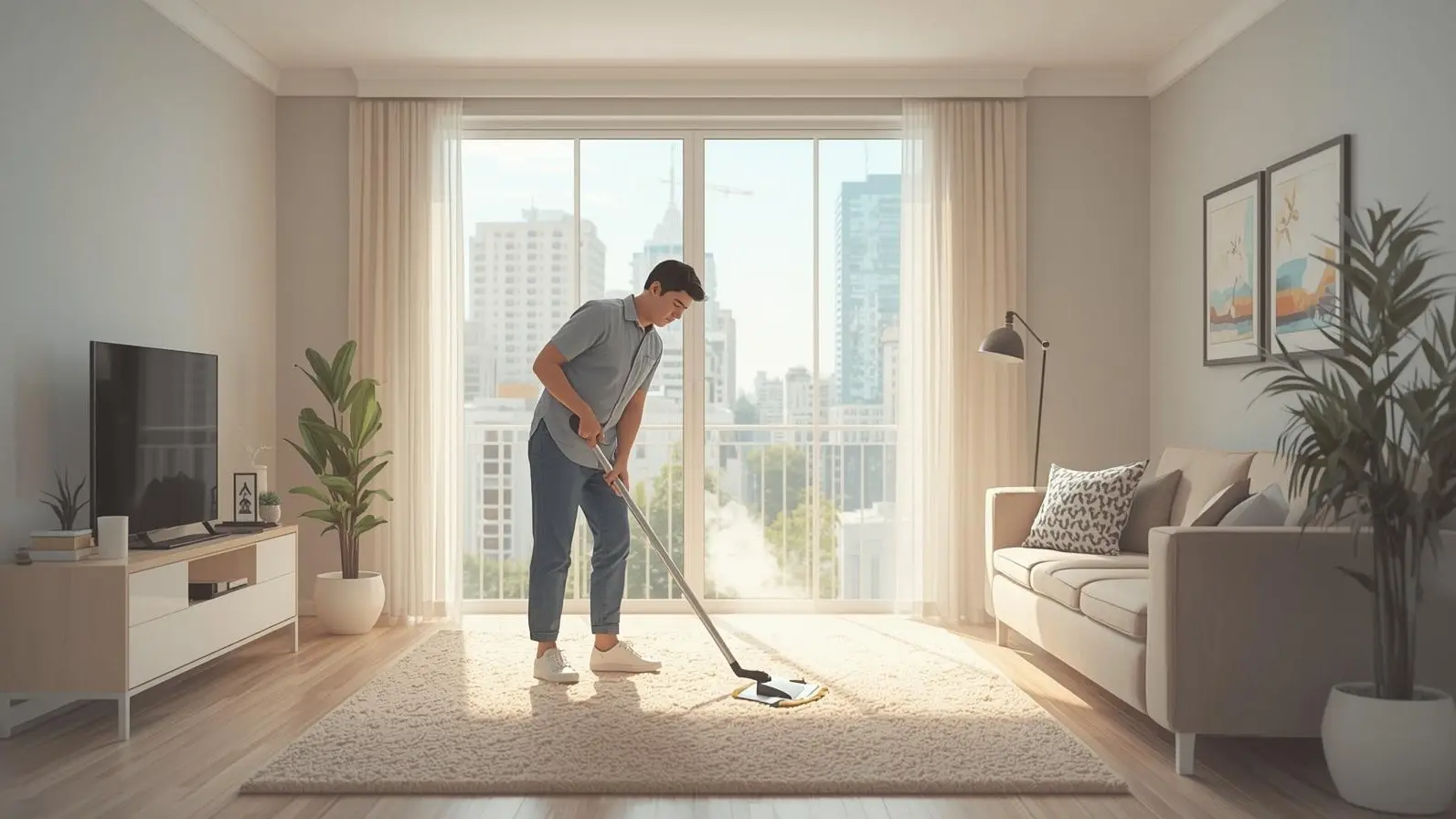
Effective Strategies for a Dust-Free Home in Polluted Areas
Living in areas with high pollution means incessant encounters with dust, which settles on various surfaces like floors, furniture, and electronics. Despite regular cleaning, this fine layer seems to reappear swiftly. This persistent dust doesn't just create an unclean environment; it also impacts air quality, triggers allergies, and irritates the skin. To achieve a truly dust-free home, especially in such locales, a blend of smart practices, proper tools, and preventative measures is vital. This comprehensive guide provides practical, sustainable steps to keep your home cleaner and healthier despite the dust.
Why Dust Accumulates in Polluted Areas
Dust tends to collect quickly in urban homes due to elevated levels of particulate matter originating from construction, traffic, and various industrial activities. Even with closed windows, homes are susceptible to dust accumulation caused by:
-
Air leaks around windows and doors
-
Poor ventilation allowing outside air in
-
Indoor sources like fabric fibers and skin flakes
-
Weather changes carrying outdoor pollutants
Knowing these factors helps in effectively reducing dust.
Seal Dust Entry Points
Dust infiltrates through tiny openings that often go unnoticed. Effectively sealing these spots can greatly diminish indoor dust levels.
How to seal effectively:
-
Fit rubber or silicone door sweeps at the bottom of your main entrance
-
Apply foam weatherstrips around doors
-
Repair window gaps using silicone sealant
-
Install mesh screens with fine filters on windows
-
Keep balcony doors shut during windy or busy hours
A small investment here can drastically cut daily dust accumulation.
Choose the Right Air Purifier
Not all air purifiers are equally effective against pollution-level dust. Opt for a model featuring a true HEPA filter (H13 or higher) to capture ultra-fine particles.
Key features to look for:
-
True HEPA (not “HEPA-like”)
-
Activated carbon filter to tackle odors + smoke
-
Strong CADR rating for efficient cleaning
-
Quiet operation for nighttime use
Position purifiers in living areas, bedrooms, and dust-prone spots.
Opt for Vacuuming Over Sweeping
Sweeping tends to send dust back into the air, allowing it to resettle quickly. Vacuuming, on the other hand, captures it effectively.
Best vacuum characteristics for polluted environments:
-
HEPA filtration
-
Strong suction for fine dust
-
Multiple attachments for thorough cleaning
-
Bagless design for easy maintenance
Aim to vacuum at least three times per week in homes prone to dust.
Wet Mop Frequently
Dry mopping can leave fine dust behind. Wet mopping, however, effectively captures smaller particles.
Wet mopping tips:
-
Utilize microfiber mops instead of cotton choices
-
Regularly change the water
-
Add a gentle floor-safe disinfectant to eliminate sticky residues
-
Mop around corners and under heavy furniture thoroughly every few days
Microfiber materials trap dust much better than traditional cloths.
Frequent Washing of Fabrics
Homes filled with fabric tend to harbor more dust. Curtains, rugs, and other soft furnishings can trap fine particles that become airborne with movement.
Recommended washing frequency:
-
Curtains: every 3–4 weeks
-
Cushion covers: bi-weekly
-
Carpets: steam clean every 2–3 months
-
Sofas: vacuum weekly
Consider using blinds instead of curtains if dust accumulation is severe; they’re easier to maintain.
Utilize Closed Storage Solutions
While open shelves may appear attractive, they tend to collect dust rapidly. Switching to closed storage can significantly reduce both cleaning time and dust exposure.
For minimal dust:
-
Opt for tight-door cupboards
-
Store books in glass-door cabinets
-
Use enclosed shoe racks with filters
-
Avoid open cosmetic racks
This stops dust from settling on frequently handled items.
Establish a Dust-Free Entry Space
Outdoor shoes can bring in dust, pollution, and dirt into your home. A basic rule—“no shoes indoors”—could prevent at least 30% of dust from entering.
Set up a dust-free entry zone:
-
A shoe rack stationed outside
-
An indoor mat for foot wiping
-
A dedicated pair of soft indoor slippers
This approach significantly reduces dust indoors.
Regular AC and Fan Maintenance
Both air conditioning units and fan blades accumulate dust and can recirculate it throughout the home when activated.
Maintenance schedule:
-
AC filters: clean bi-weekly
-
AC servicing: every 6 months
-
Fan blades: wipe weekly with microfiber
-
Exhaust fans: monthly cleaning
A clean AC system enhances cooling, cuts down dust, and reduces energy costs.
Close Windows During High Pollution Times
Opening windows at peak traffic times can greatly increase indoor dust levels.
Optimal times for ventilation:
Incorporate Dust-Filtering Indoor Plants
Though plants shouldn’t replace purifiers, certain types can help capture dust and enhance air quality in polluted regions.
Top selections:
Minimize Clutter to Alleviate Dust Gathering
Excess items on surfaces lead to increased dust accumulation.
Decluttering approach:
-
Keep countertops and tables bare
-
Utilize boxes for smaller items
-
Avoid open decorative shelving
-
Display only essentials
This approach minimizes dust surfaces and facilitates quicker cleaning.
Install Quality Door Mats
One straightforward method to control dust is to place strong doormats at each entrance.
For effective results:
-
Employ coir or heavy-duty mats outside
-
Incorporate microfiber or cotton mats indoors
-
Wash indoor mats weekly
This action helps prevent dust from being tracked inside by shoes or wind.
Keep Bedding Fresh
Dust mites, skin flakes, and pollution can accumulate in bedding, including pillows and mattresses.
Recommended maintenance:
-
Wash bed linens weekly
-
Vacuum mattresses every 2–3 weeks
-
Use allergen-proof covers
-
Sun-dry pillows monthly
Proper bedding helps enhance sleep quality and minimize allergies.
Utilize Microfiber for Cleaning
Microfiber effectively captures dust, unlike cotton which tends to merely push it around.
Effective dust removal techniques:
-
Use dry microfiber for cleaning electronics and shelves
-
Use damp microfiber for stubborn dust layers
-
Wash microfiber cloths separately to maintain their efficacy
This ensures surfaces remain dust-free longer.
Implement a Weekly Cleaning Routine
A designated weekly maintenance schedule prevents overwhelming dust buildup:
Monday: vacuum the entire house
Tuesday: wipe surfaces with microfiber
Wednesday: wash curtains or cushion covers
Thursday: mop deeply
Friday: clean fans and AC filters
Weekend: declutter and refresh plants
By following a routine, your home can stay consistently clean within high-pollution settings.
Disclaimer
This article provides general home-maintenance guidance based on common practices and environmental considerations. Actual outcomes may differ based on pollution levels, home design, and individual routines. Readers are encouraged to modify these recommendations to suit their local conditions and personal health needs.