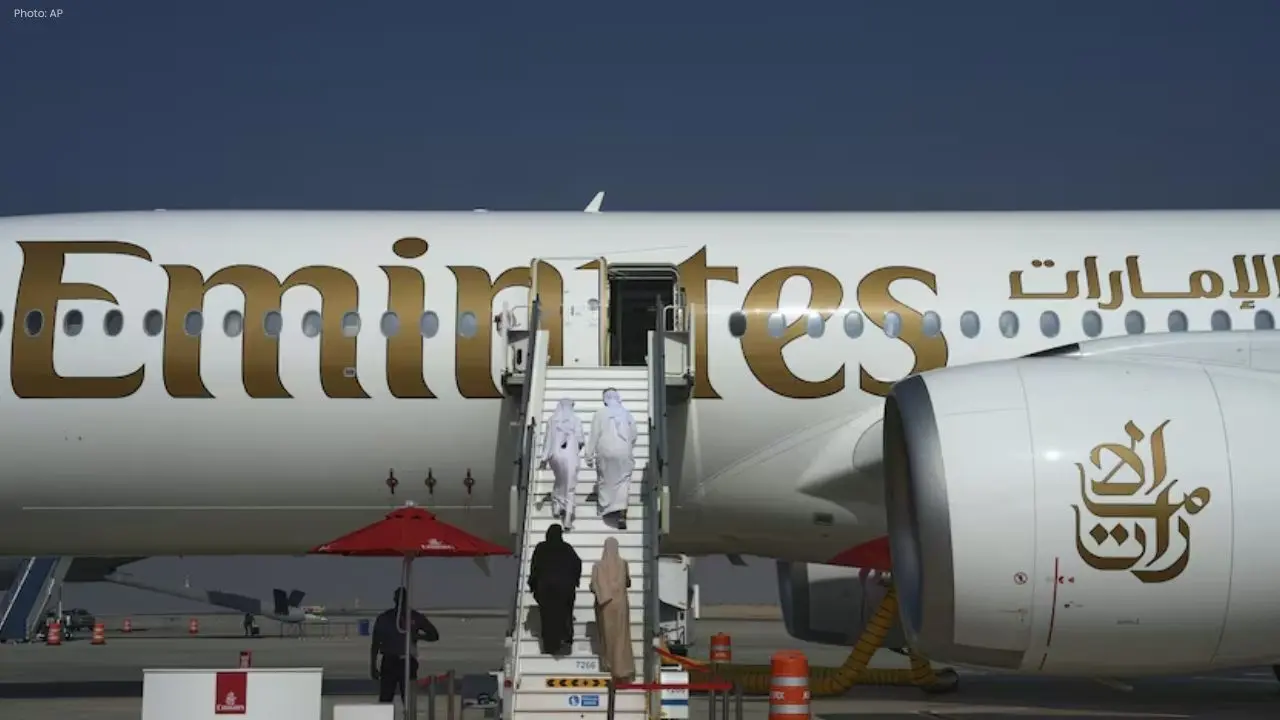
As Canada prepares to open its airspace, local airlines may find themselves under significant pressure to elevate service standards. The federal government is set to relax long-standing restrictions on flights from Saudi Arabia and the United Arab Emirates, a move that comes as diplomatic tensions have subsided over the years.
Aviation expert John Gradek from McGill University highlighted that Middle Eastern airlines are renowned for their exceptional onboard experiences. Their expanded market presence in Canada will likely challenge domestic airlines to innovate if they wish to maintain their market share.
Gradek suggested that carriers like Air Canada, WestJet, and Air Transat may need to rethink their in-flight service and seating arrangements as competitive pressure rises.
The Canadian aviation sector has faced scrutiny lately, as parliamentary committees investigate issues like limited competition, high fares, accessibility, and passenger rights. The anticipated influx of international airlines is thought to reshape this landscape.
Middle Eastern airlines, such as Emirates, are recognized for luxury offerings including private suites and gourmet cuisine. Such features have garnered attention from travel influencers, further enhancing the global regard for these carriers.
Historically, Canada limited flights from the UAE to safeguard its domestic airlines. Air Canada contended that foreign airlines benefited from the transport of Canadian customers to third countries via their hubs, without offering reciprocal benefits.
Relations with Saudi Arabia worsened after a 2018 criticism of its human rights situation, halting flights until this year.
Prime Minister Mark Carney is keen to mend ties with Middle Eastern nations as part of Canada's broader trade strategy to diversify and lessen dependency on the U.S. Following a visit to the UAE, Carney secured a commitment of $70 billion in investments while emphasizing stronger global economic partnerships.
Subsequently, Transport Minister Steven MacKinnon announced the expansion of air transport agreements, allowing passenger flights from Saudi Arabia to rise to 14 weekly, and from the UAE to as many as 35. There will be no restrictions on cargo flights from both nations, and Canadian airlines will gain reciprocal rights.
MacKinnon stated that this initiative aligns with Canada's goal of boosting exports and fostering international business relationships.
Gradek pointed out that Middle Eastern airlines seek market access akin to Canada’s open skies with the U.S. The new arrangements could favor foreign carriers, enabling them to channel Canadian travelers through hubs like Dubai to various regions, while Canadian airlines focus mainly on linking Middle Eastern travelers to U.S. destinations.
Moreover, Middle Eastern airlines can afford competitive economy fares due to their profitability from premium services—a model that Canadian airlines might find challenging to emulate.
Despite this, Air Canada asserts that it remains competitive on a global scale, noting an expanded collaboration with Emirates that includes shared ticket services and benefits until 2032.
Neither WestJet nor Air Transat have publicly addressed the potential impact of this expanded flight access on their operations.
The government has also revealed further flight expansions with countries like Albania, highlighting a comprehensive strategy to improve Canada’s international air connections.