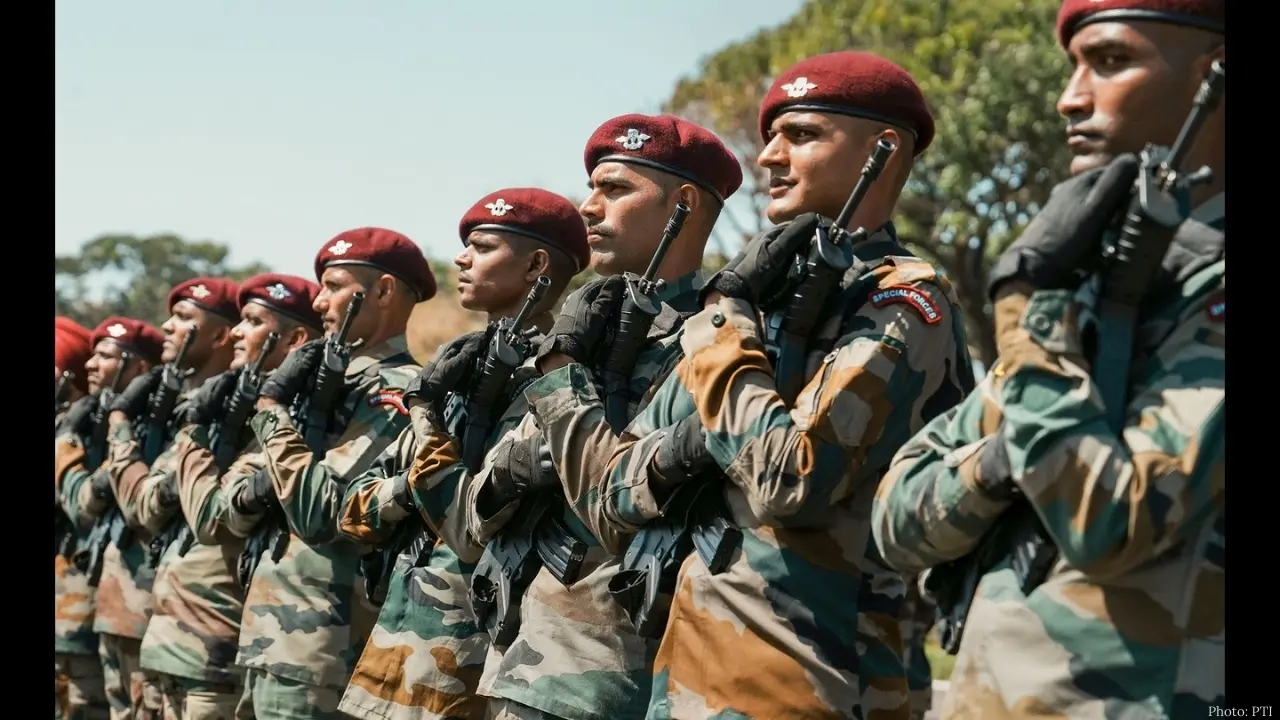
Every year on National Army Day, observed on January 15, India pays tribute to the bravery, dedication, and sacrifices made by its soldiers. This day marks the historic event in 1949 when Lieutenant General (later General) K.M. Cariappa became the first Indian Commander-in-Chief of the Indian Army, highlighting a crucial chapter in India's military narrative.
The general public often perceives the Indian Army primarily as a guardian against external threats—protecting borders, deterring hostilities, and engaging in various conflicts. While these combat roles are undeniable, the Army’s impact goes much deeper, encompassing life-saving humanitarian missions, infrastructure development, and social upliftment that seldom gain the spotlight.
As we appreciate the Army's rich history, it becomes essential to acknowledge these lesser-known responsibilities that showcase the Army as more than a military force; it is a fundamental support system for India's resilience and progress.
1. Humanitarian Aid and Disaster Relief
Key Responders in Crisis Situations
During natural calamities—whether catastrophic floods in the Himalayas, landslides in the Northeast, cyclones along the coasts, or earthquakes—the Indian Army is frequently the first organized team on the scene. Their prompt, coordinated, and lifesaving actions are pivotal.
A striking instance of this commitment was Operation Jal Rahat 2, executed during the 2025 monsoon, where heavy rainfall led to floods in states like Himachal Pradesh and Assam. Army units were deployed swiftly, managing evacuations, delivering medical care, and supplying food and essentials, ultimately saving lives and protecting infrastructure.
Such operations require precise planning and the ability to navigate harsh conditions, underscoring the Army’s readiness to collaborate with civil authorities, allowing local governments to concentrate on the broader recovery process while Army specialists handle rescue and medical tasks. Whether lifting stricken villagers or building emergency bridges in floods, the Army exemplifies its motto: “Service Before Self.”
2. Building Infrastructure and Promoting Development
Engineering Advancements Across India
India's varied landscape demands substantial infrastructure, and often the Army steps in to facilitate and maintain crucial connectivity and amenities, especially in remote areas where private contractors may hesitate.
The Corps of Engineers, a unit of the Indian Army, plays a pivotal role in this regard. Their contributions extend beyond military needs; they design, construct, and maintain roads, bridges, and essential services to connect isolated communities to the greater nation. This effort strengthens not only defense logistics but also drives socio-economic development in previously isolated regions.
These projects often demand navigating difficult terrain and harsh climates, yet Army engineers embrace these challenges as opportunities for progress. Their initiatives play a critical role in integrating remote areas into the national landscape, fostering economic growth, and improving access to healthcare and education.
3. International Peacekeeping and Building Global Goodwill
India’s Representative on the World Stage
On an international platform, the Indian Army has actively contributed to United Nations peacekeeping missions. These efforts maintain peace in conflict-riddled zones around the globe, earning them respect worldwide, albeit with limited coverage in the local media.
Peacekeeping operations demand not just military discipline but also diplomatic finesse. Soldiers often operate within intricate mandates aimed at protecting civilians, supporting secure elections, and rebuilding war-affected areas. These roles necessitate negotiation capabilities, cultural understanding, and a steadfast dedication to humanitarian values.
By serving under the UN flag, Indian troops reinforce India’s reputation as a responsible global participant, proving that their mission transcends national defense to include the promotion of global peace and stability.
4. Internal Security and Counter-Insurgency Initiatives
Safeguarding Stability Within the Nation
The Army’s defense of national borders is well-known; however, its functions concerning internal security often remain overlooked. In regions afflicted by insurgency or unrest, the Army is involved in operations aimed at restoring peace and supporting civil governance.
The Rashtriya Rifles, a specialized unit within the Army, exemplifies this dedication to safeguarding internal stability. They engage directly with insurgent factions while also connecting with local communities to build trust and stability. Their multifaceted operations involve intelligence collection, protection of civil infrastructure, and collaboration with other security forces to reduce violence while adhering to human rights.
Success in these missions hinges on balancing tactical precision with community relations, illustrating the Army’s adaptability and discipline in tackling internal challenges.
5. Community Engagement, Education, and Feature Building
Integrating Military and Civil Structures for National Unity
The relationship between the Army and civilian institutions has evolved significantly. Recently, the Army has initiated programs aimed at bolstering collaboration with civil entities while enhancing skill development for both soldiers and civilians.
Exercise Samanvay Shakti is one such initiative launched in 2025, bringing military units, local governments, police, healthcare teams, and disaster response agencies together in states like Assam and Manipur to build collective strategies for public welfare and disaster management.
Additionally, partnerships with educational bodies, such as the collaboration with Delhi Technological University, relate to groundbreaking research and innovation in defense tech. Through workshops, research projects, and skill programs in emerging fields, the Army is not only preparing its personnel for future challenges but also contributing to national technological advancements.
These initiatives highlight the Army's role as not merely a combat force, but as a proactive institution focused on societal development, education, and innovation.
Beyond Recognized Roles: Unsung Acts of Service
While the five roles outlined are crucial, they encapsulate just a portion of the Army's extensive service.
Support in Health Emergencies
In health crises, particularly during the COVID-19 pandemic, the Army's medical unit established field hospitals and facilitated vaccine logistics, significantly assisting civil health systems.
Veterinary and Remount Division
Animals have long been integral to military logistics and operations. The Army’s Remount & Veterinary Corps provides care for horses, mules, camels, and military dogs, with their contributions showcased during events like the 2026 Republic Day parades.
Outreach Initiatives with Youth
Army-organized events engage youth, fostering civic responsibility and national pride. Exhibitions like “Know Your Army” demonstrate native defense technologies, offering insight into the Army's capabilities and its vital role in society.
The Significance of National Army Day
National Army Day transcends mere ceremony; it serves as a reminder of the diverse responsibilities undertaken by the Indian Army. While rooted in defense, their multifaceted roles bolster the nation through adversity and tranquility alike.
From disaster relief efforts abroad to infrastructure advancements in remote areas, the Army's influence reaches across various aspects of society. Their commitment to Protect, Serve, and Inspire resonates within every community they touch.
Acknowledging these lesser-known responsibilities not only expands our understanding of the Army’s function but also enhances our appreciation for the silent dedication of soldiers who guard not just the borders, but humanity itself.
Disclaimer:
This article features general knowledge and publicly available information concerning the roles and contributions of the Indian Army. The insights shared offer perspective and appreciation, and do not represent confidential military operations.