Heatwaves: An Increasing Threat
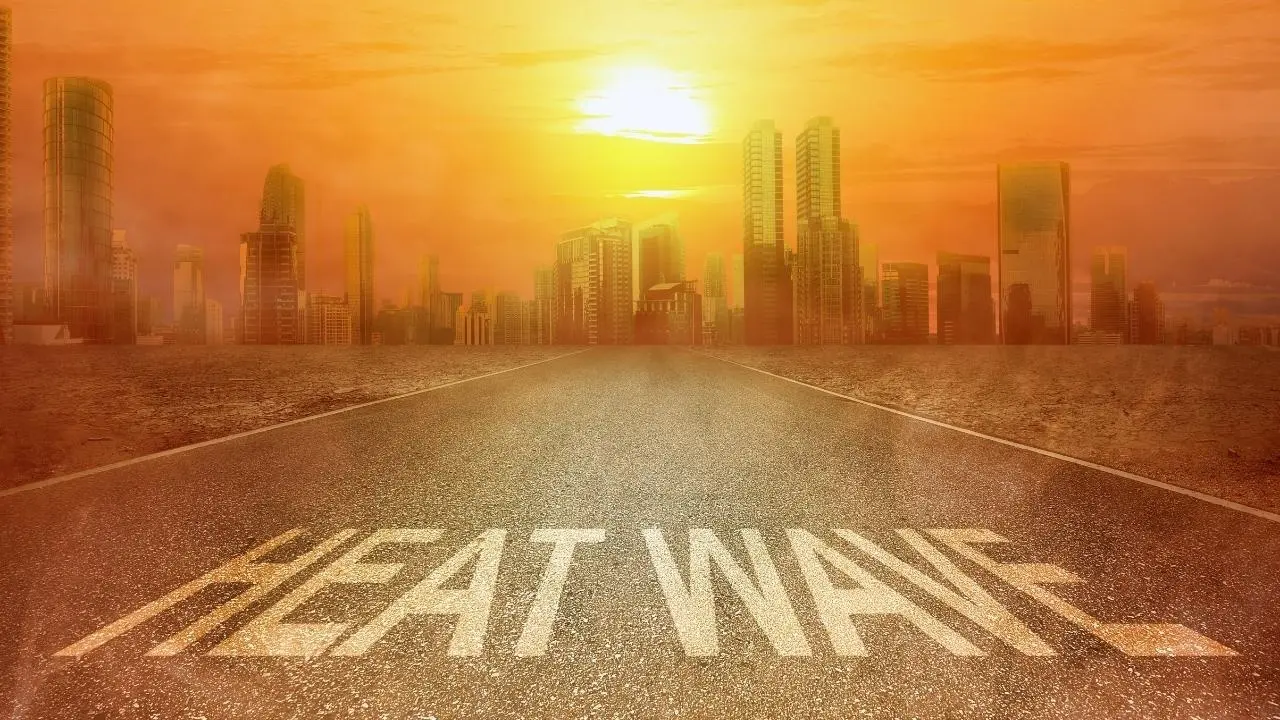
Heatwaves occur when temperatures significantly exceed seasonal norms over extended periods. Recently, Europe and North America have been witnessing an uptick in such extreme heat events, which are part of a wider trend of climate change driven by human activities affecting atmospheric and oceanic systems.
Experts anticipate that the year 2026 is set to be one of the hottest on record, furthering the frequency of intense heat waves. This escalating phenomenon poses dire consequences for health, agriculture, energy systems, infrastructure, and ecosystems, often creating life-threatening challenges for vulnerable groups.
Regions Affected by Heatwaves
Heatwaves in Europe
Europe has already faced unprecedented temperatures in recent years. Southern and western countries, including Spain, Portugal, Italy, and France, have repeatedly issued heatwave warnings, with temperatures soaring above 40 degrees Celsius during peak summer months. This has led to health advisories, school closures, and the activation of emergency protocols for the safety of residents and tourists.
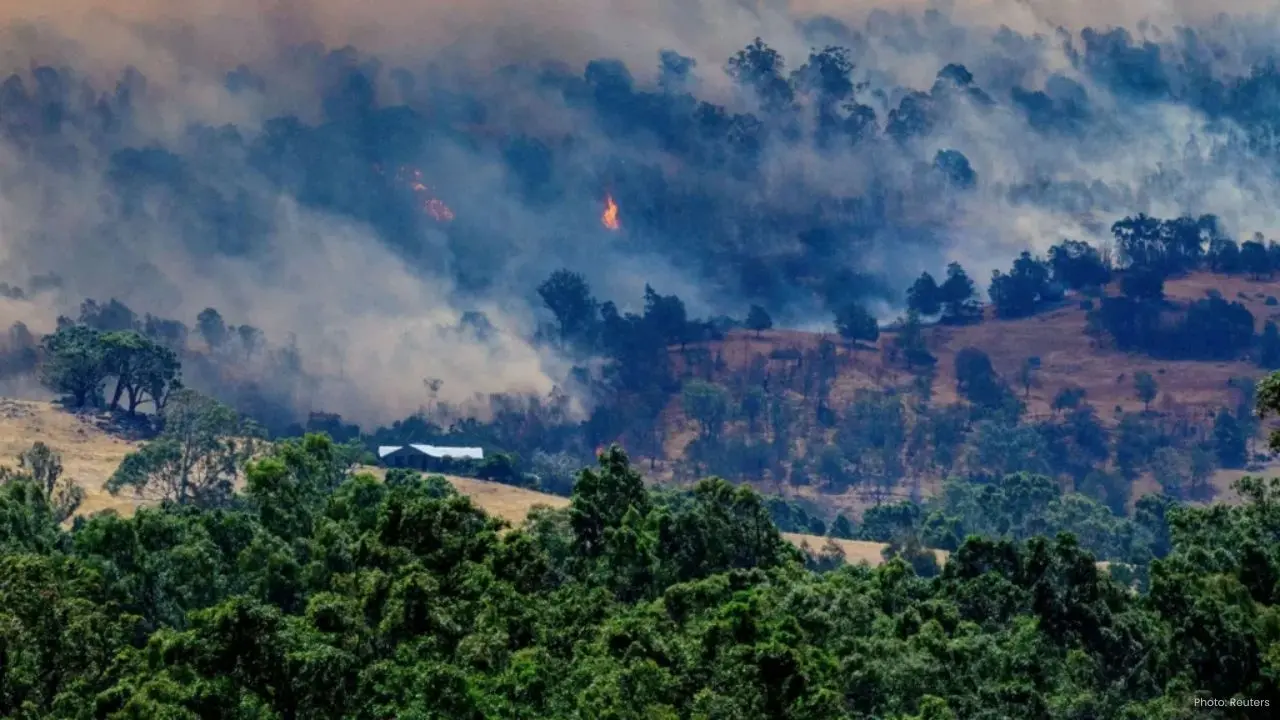
Heatwaves have also been associated with severe droughts, heightened wildfire risks, and increased strain on electricity and water networks. Both urban and coastal cities are contending with persistent high temperatures, often leaving little respite overnight.
Heatwaves in North America
North America similarly experiences severe heat events. While winter forecasts for 2025–26 may predict cold conditions, summer months typically see rising temperatures that exceed historical averages. Regions across the western and central U.S. and southern Canada have been particularly affected, straining health services and emergency responses.
In America, heatwaves often lead to increased hospital visits, infrastructure pressure, and mortality due to heat-related issues. Urban areas with heat islands amplify temperature impacts, while rural locales with minimal cooling resources are at heightened risk.
Why Are Heatwaves Intensifying?
Scientists note that global average temperatures have been climbing for decades, and 2026 is predicted to stay significantly warmer than pre-industrial times. This rising baseline heightens the probability of extreme heat events that last longer than in the past.
Atmospheric phenomena like persistent high-pressure systems, often dubbed heat domes, trap warm air over large areas and hinder cooling winds, facilitating prolonged heat waves. Such conditions contributed to the intense summer temperatures seen in parts of Europe in recent years.
Human actions that elevate greenhouse gas levels are key contributors to these rising temperatures, enhancing the likelihood of extreme heat while disrupting established seasonal norms.
Health Implications and Safety Measures
Extended high temperatures pose significant health risks, especially with prolonged exposure.
Heat Stress and Heat-Related Illnesses
When the body struggles to cool itself, heat exhaustion can occur, leading, in severe cases, to heat stroke. Symptoms may include excessive sweating, fatigue, confusion, dizziness, nausea, and loss of consciousness, requiring urgent medical help.
Respiratory and Heart Stress
High temperatures can exacerbate respiratory conditions and put considerable strain on the heart. Individuals with pre-existing heart or lung issues, diabetes, and older adults are particularly vulnerable, as are children and outdoor workers.
Infrastructure Strains
Extreme heat significantly burdens electrical grids, often due to widespread use of air-conditioning, risking blackouts. Roads and railways may also buckle, and water systems could falter under the demand. Healthcare providers must prepare for a surge in heat-related cases.
Responses from Authorities
In both Europe and North America, frameworks have been established to address heatwave impacts, including:
-
Heat advisory systems that alert the public when conditions pose severe health risks.
-
Cooling centers providing refuge for those without air conditioning.
-
Public health campaigns focusing on hydration, shade, and reducing outdoor activity.
-
Emergency medical services getting ready for an increase in heat-related illnesses.
These preparation efforts are especially aimed at protecting vulnerable populations—primarily the elderly, children, and individuals with chronic health concerns.
Governments typically collaborate with meteorological and health agencies to announce alerts ahead of expected heatwaves, offering communities the chance to adapt.
Tips for Staying Safe During Heatwaves
To mitigate health risks during heatwaves, individuals can adopt the following strategies:
Stay Hydrated
Drinking plenty of water is crucial. Avoiding alcohol and highly caffeinated beverages aids in maintaining hydration levels.
Avoid Outdoor Exposure
During peak heat—generally midday to late afternoon—remaining indoors in shaded or air-conditioned spaces can reduce heat stress risks.
Wear Suitable Clothing
Opting for light, loose-fitting, and light-colored attire helps reflect heat and enhances airflow. Donning hats, sunglasses, and sunscreen further mitigates heat effects.
Apply Cooling Strategies
Taking cool showers, using damp towels, and finding shaded or air-conditioned areas can assist in regulating body temperature. Relying on portable fans alone may be insufficient in extreme heat.
Check on Neighbors and At-Risk Individuals
Community outreach can be lifesaving. Checking in on relatives and neighbors—especially the elderly or those with limited mobility—ensures their safety and hydration.
Travel and Tourism Implications
Heatwaves can interfere with travel plans and tourism activities. Local authorities may advise against non-essential travel during red heat warnings, propose adjustments to outdoor tours, or temporarily close popular sights during peak heat hours.
Countries in Europe, such as Spain, Portugal, Italy, and other southern regions that frequently experience uncomfortable summer highs, often issue heat-related travel advisories. These areas may also implement additional safety messaging, cooling stations, and emergency medical services during critical heat periods.
While heat need not halt travel, understanding regional conditions and scheduling activities around cooler hours can enhance comfort and safety.
Long-Term Climate Perspectives
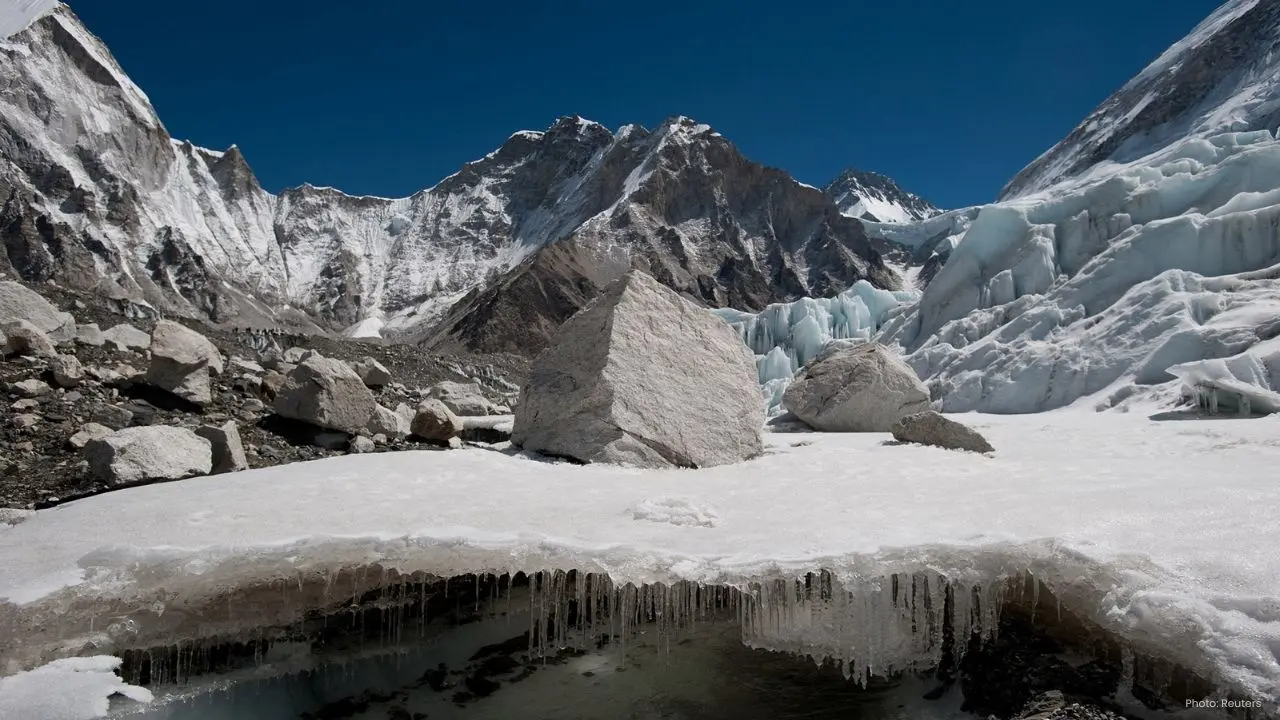
Heatwaves are not merely temporary weather events; they represent a significant climate trend linked to rising average temperatures. Scientists continue to examine increasing baseline temperatures and atmospheric phenomena to better comprehend how climate change is influencing extreme heat frequency and intensity.
Forecasts indicate that global temperatures will remain elevated compared to historical averages, increasing the occurrence and severity of heatwaves. This reality highlights the urgent need for long-term adaptation initiatives—like urban planning focused on increasing shade and tree coverage, designing homes for better natural cooling, and investing in infrastructure capable of withstanding higher temperature extremes.
Note
This information is intended for awareness purposes only and does not substitute for medical or emergency guidance. Readers should consult regional health authorities and meteorological agencies for real-time alerts and protective advice.