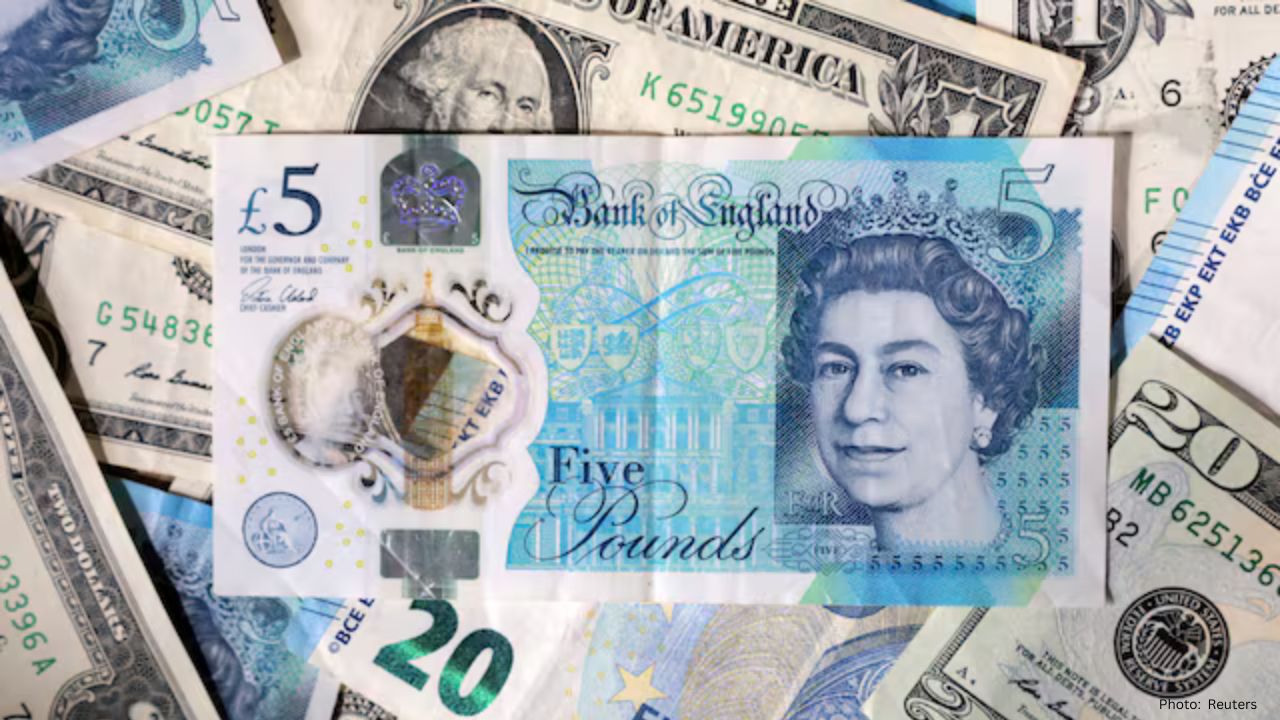
The UK financial landscape is bracing for ongoing currency fluctuations. A recent report indicates that a significant number of UK fund managers are set to amplify their defenses against foreign exchange risks. This trend points to a growing caution across the market, particularly as the pound has been notably unstable throughout 2025.
Research conducted by MillTech, specializing in FX and cash management, reveals that nearly half of UK fund managers aim to increase their hedge ratios in 2026. This adjustment signifies a commitment to shielding more of their investments from unforeseen currency shifts. Additionally, 46% of these managers intend to lengthen their hedging strategies, seeking extended protection.
The data uncovers a pressing issue: most fund managers acknowledged losses incurred by not hedging against foreign exchange risks. This reality urges many to reassess their strategies ahead of another potentially unpredictable year.
Recent months have shown heightened volatility for the pound. Market apprehensions escalated ahead of the UK budget, led by Finance Minister Rachel Reeves, contributing to the currency's erratic behavior. While the pound made slight gains in November, inching toward its strongest annual performance since 2017, these improvements were tarnished by severe declines earlier this year, including its worst monthly drop in July since 2022.
This erratic trend has prompted increased caution among fund managers. Over half of those currently avoiding FX hedging are now reconsidering their stance, while only a minority intends to lessen their hedging efforts or pursue shorter contracts. The current hedging ratio has dipped to 46%, a low not seen since pre-2023, while the average duration for hedges has edged up slightly to 5.5 months.
However, this heightened wariness is not without its costs. The expense of hedging has surged sharply—up 69% in just one year. Almost 20% of those surveyed indicated that their hedging expenditures have more than doubled. For many asset managers, this substantial increase in costs has become a pressing concern.
Global dynamics further complicate these decisions. Growing apprehensions regarding U.S. trade policies under President Donald Trump have led fund managers to scrutinize how such changes might impact currency valuations and market stability. As a result, many are postponing critical investment maneuvers amid ongoing uncertainties surrounding tariffs and geopolitical strife.
One noteworthy trend highlighted in the report is the integration of artificial intelligence into foreign exchange strategies. Approximately one-quarter of funds are already leveraging AI in their hedging decisions, with close to one-third actively exploring its potential. As currency markets evolve in complexity, there’s a consensus that AI will increasingly assist firms in responding rapidly and managing risks more adeptly.
The overall findings depict a financial sector striving to navigate a landscape where currency values can swing dramatically, influenced by global policy changes. UK fund managers are prioritizing safety, opting for more extensive and prolonged hedging measures to protect their portfolios from impending volatility. The effectiveness of these strategies will hinge on forthcoming developments in the global economy, but the trend toward a protective mindset is unmistakable.