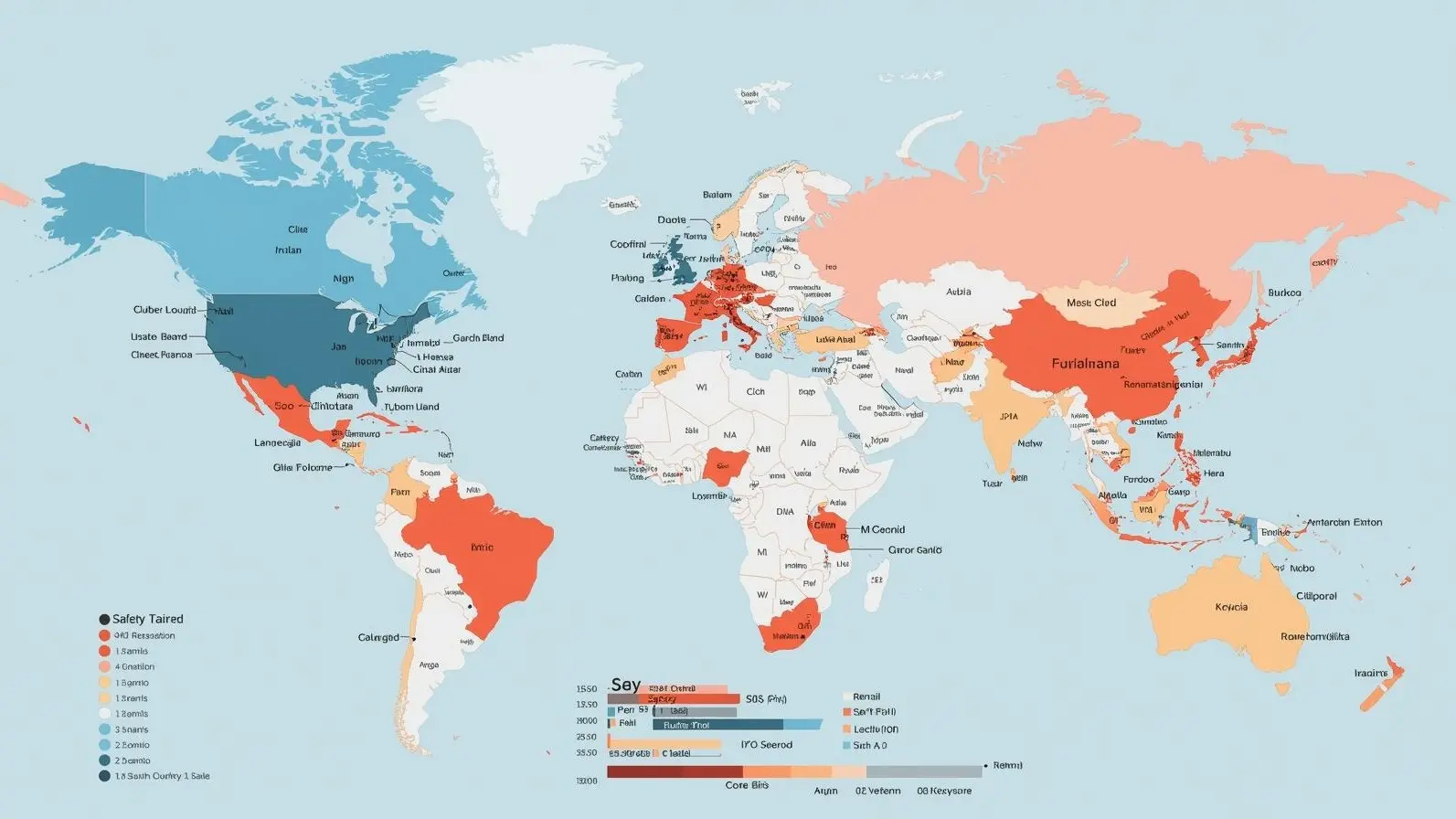
Leading Safe Countries for Travellers in 2026
For many travellers, safety is a primary consideration when selecting global destinations. Being in a safe country means being among friendly locals, having trustworthy emergency services, and enjoying a general sense of peace — especially vital for solo travellers, families, and first-timers. In 2026, various nations continue to stand out for their safety, which is evaluated through crime rates, tourism experiences, political stability, public health, and infrastructure reliability. The countries listed here frequently rank high in international safety assessments and traveller feedback.
Defining a 'Safe' Tourist Destination
A travel-friendly location often features:
• Minimal rates of both violent and petty crime
• Stability in politics and a peaceful society
• High-quality healthcare services
• Safe transportation options and roadways
• Quick response capabilities in emergencies
• Tourist-centered laws and protections
These elements empower travellers to explore with assurance and lower risks during their journeys.
Iceland
Frequently topping safety charts, Iceland is hailed as the absolute safest destination for tourists. Incidents of violent crime are exceedingly rare, and the local population is known for its warmth and assistance. The country’s strong community bonds and supportive systems make it suitable for everyone—including solo and female travellers. Visitors can enjoy breathtaking geothermal landscapes and the Northern Lights without significant safety concerns.
Switzerland
Renowned for its low rates of crime and high standards of public services, Switzerland’s cities like Zurich, Geneva, and Lucerne are models of cleanliness and order. The nation boasts world-class public transport, excellent healthcare, and reliable emergency services. Nature enthusiasts can hike through the scenic Alps with clear maps and well-kept paths.
Japan
Regarded as one of Asia's safest and most welcoming destinations, Japan features minimal violent crime and a deep-seated respect for public order. Clean and safe cities such as Tokyo, Kyoto, and Osaka are easy to navigate even during night hours. Efficient and reliable train systems further enhance the sense of security.
New Zealand
New Zealand combines stunning natural beauty with remarkable safety for tourists. With low crime statistics and friendly locals, adventurers can undertake hiking, beach exploration, or engaging in outdoor sports, all while benefiting from a well-organized safety net.
Canada
Consistently rated among the safest places for travel, Canada boasts a diverse society, solid healthcare, and peaceful neighborhoods. Urban centers such as Vancouver, Toronto, and Montreal offer a blend of city attractions and public safety. Wildlife areas and national parks are also well-supervised for visitor protection.
Finland
Finland is frequently acknowledged in global safety and happiness rankings, providing tourists with peaceful public areas, a respectful culture, and effective services. Helsinki showcases modern urban living alongside safety, while northern regions offer adventures in untouched nature.
Singapore
As one of Asia's safest locales, Singapore benefits from strict law enforcement, low crime rates, and excellent urban planning. The city-state features top-notch medical services, cleanliness, and pedestrian-friendly pathways, making it convenient for tourists.
Norway
Known for its year-round safety and breathtaking natural landscapes—from fjords to the Arctic—Norway sees low crime rates, responsible citizenry, and dependable public services. Efficient public transport and quick response in emergencies enhance a peaceful travel experience in its serene towns.
Austria
Austria regularly features in safety rankings, thanks to its disciplined environment and low crime statistics. Vienna, known for its high livability, welcomes tourists with plentiful cultural experiences, picturesque hills, and pristine natural environments.
Denmark
This Scandinavian nation scores high on safety metrics. Famous for its secure environment, Copenhagen is bike-friendly with a laid-back vibe, and offers efficient public services, clean surroundings, and esteemed social norms.
Australia
Australia is viewed as safe for tourists, with low violent crime rates in major urban areas and strong emergency services. Cities like Sydney, Melbourne, and Brisbane feature top-tier services, and rural areas ensure safety through coordinated measures and clear instructions.
Portugal
Portugal stands out as one of Southern Europe's safest nations. Despite its popularity among tourists, violent crime incidents are few. Locals are warm and inviting, public transport is sound, and coastal and rural regions cater well to visitors. Its friendly culture and affordability enhance its allure.
Ireland
Ireland is famous for its hospitable citizens, secure cities, and relaxing travel atmosphere. Urban centers like Dublin, Galway, and Cork are deemed safe, while rural settings offer peaceful experiences. Emergency services are reliable, and healthcare is accessible.
The Netherlands
Combining cultural heritage with safety, the Netherlands presents Amsterdam as a well-monitored and tourist-friendly city, marked by effective urban safety practices and excellent public transport. Bikes are a primary means of transport, contributing to safety, while quieter locales invite exploration.
What Sets These Countries Apart
Common strengths among these nations include low incidence of violent crime, effective policing, sound public infrastructure, easy to follow travel information, and a welcoming attitude towards visitors. Robust healthcare and responsive emergency services are key for any excursion.
Staying Safe in Secure Nations
Even in the safest locations, basic travel precautions remain essential. Safeguard important documents, inform someone of your travel plans, stay alert in crowded spots (to prevent petty theft), abide by local regulations, and consider travel insurance.
Final Reflections
Choosing a travel destination should heavily factor in safety, particularly for solo, first-time, and family travellers. In 2026, nations like Japan, Canada, Iceland, and Singapore promise a combination of security and unforgettable experiences. While no place is devoid of risk, these countries consistently offer safe and inviting environments for tourists.
Disclaimer: Safety perceptions can shift. Always verify current travel advisories and local rules prior to your journey.