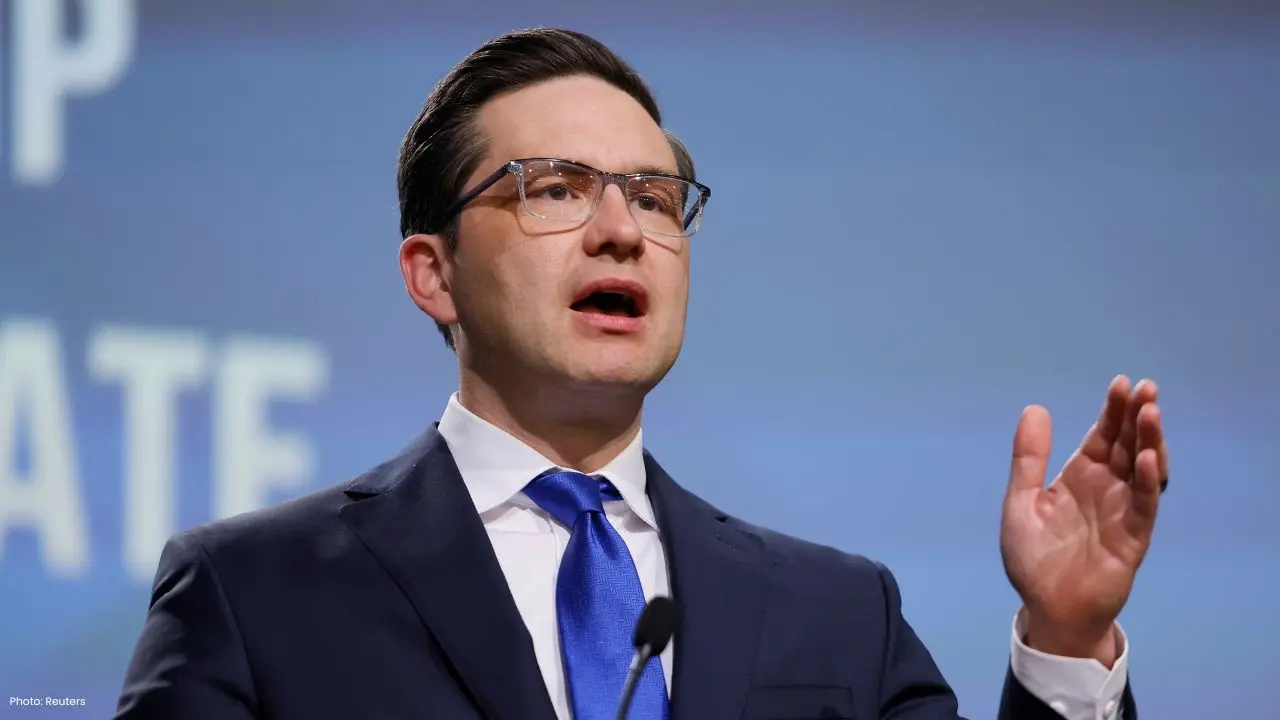
Conservative Leader Pierre Poilievre is set to push a motion in the House of Commons to force the federal Liberals to clarify their stance on a new Alberta-to-Pacific oil pipeline. Borrowing language from the recent Canada-Alberta energy agreement, the non-binding motion will ask MPs whether they support the construction of pipelines capable of exporting at least one million barrels of Alberta bitumen per day from a British Columbia port to Asian markets.
Poilievre said the federal government simply needs to “get out of the way” by granting permits so construction can begin. He emphasized that if all Liberals support the motion, it could pave the way for “shovels in the ground,” but any opposition would reveal a lack of commitment from the government.
The motion also references adjusting the Oil Tanker Moratorium Act while respecting Indigenous consultation obligations. Unlike the federal-provincial energy agreement, Poilievre’s motion leaves out conditions Alberta agreed to, such as enhancing its industrial carbon pricing system.
Alberta Premier Danielle Smith has called the federal agreement “a great day for the people of Alberta and all of Canada,” framing it as an opportunity to advance Canada’s energy sector. However, former cabinet minister Steven Guilbeault has expressed skepticism about Alberta meeting its environmental commitments, citing recent changes to the province’s carbon pricing system. Alberta’s Environment Minister Rebecca Schulz defended the updates, saying they strengthen the system and encourage businesses to invest in emissions-reducing technologies.
Environment Minister Julie Dabrusin confirmed that the federal government expects Alberta to uphold climate commitments, including increasing the effective carbon credit price sixfold to meet a shared goal of net-zero emissions by 2050.
First Nations leaders have voiced strong opposition to the agreement. The Assembly of First Nations chiefs voted unanimously to demand the deal’s withdrawal, emphasizing the protection of northern B.C. waters and recognition of Indigenous rights. Poilievre acknowledged the need for consultation but criticized delays, arguing that planning for the pipeline should have started immediately after the election.
The upcoming vote will put Liberal MPs, especially those representing regions affected by or opposed to the pipeline, in a challenging position, potentially exposing internal divisions within the party. Experts say the motion could highlight the broader tension between economic development, energy exports, and environmental commitments in Canada.