A Look That No One Saw Coming
When Vidyut Jammwal first appeared on screen years ago, it was impossible to ignore his flowing hair, sculpted physique, and raw physicality. Over time, that image became inseparable from his on-screen persona — a desi action hero who combined martial arts precision with rugged charm. So when his first look from the Hollywood adaptation of Street Fighter surfaced, fans were momentarily stunned.
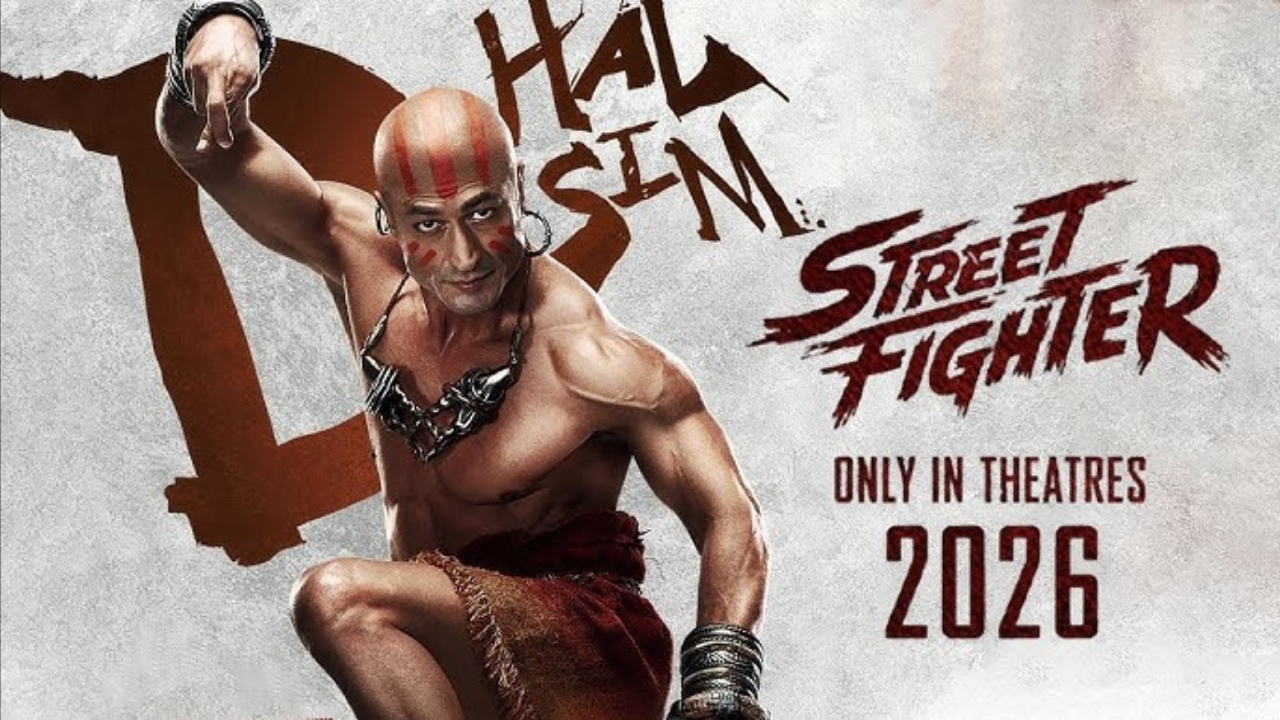
Gone was the signature hair. In its place stood a completely bald Vidyut Jammwal, looking sharper, leaner, and far more menacing. The internet reacted instantly. Words like “insane,” “unreal,” and “next level” flooded social media, even as a parallel sentiment emerged: admiration mixed with nostalgia for the hair that had become part of his identity.
This moment marks more than a physical transformation. It represents Vidyut Jammwal’s formal entry into global cinema — and a willingness to reinvent himself for an international audience.
Vidyut Jammwal’s Hollywood Leap With ‘Street Fighter’
A Global Franchise With Cult Status
Street Fighter is not just another action film. It is a globally recognized franchise with decades of history, millions of fans, and a legacy rooted in intense combat and iconic characters. Any actor stepping into this universe faces enormous expectations, especially when portraying fighters known for physical dominance and distinctive looks.
For Vidyut, this debut is not a small crossover appearance. It is a statement role in a franchise that demands authenticity, discipline, and screen presence.
Why This Debut Matters
Unlike many actors who enter Hollywood through supporting or experimental roles, Vidyut’s entry aligns directly with his strengths. Martial arts, combat choreography, and physical storytelling are his forte. Street Fighter offers a canvas where his skills are not diluted but amplified.
The bald look, therefore, is not cosmetic shock value. It signals commitment to the character and the world he is entering.
The Bald Transformation: More Than a Style Choice
Breaking Away From the Familiar Image
For years, Vidyut’s hair symbolized freedom, ferocity, and a wild edge. Shaving it off is a deliberate break from that image. In Hollywood, especially within action cinema, physical transformations often signify seriousness and discipline.
This look strips away glamour and leaves behind pure intensity.
A Warrior’s Aesthetic
The shaved head complements the Street Fighter universe, where characters are often defined by combat readiness rather than aesthetics. Vidyut’s bald look highlights his facial structure, expressions, and muscular control, making him appear more like a trained fighter than a movie star.
This aesthetic shift aligns him closer to international action icons rather than traditional Bollywood heroes.
Internet Reactions: Praise, Shock, and Nostalgia
“Insane” Dominates the Conversation
As soon as images and clips began circulating, social media platforms erupted. Fans praised Vidyut’s transformation, calling it fearless and powerful. Many noted that the bald look enhanced his intensity and made him appear even more formidable.
Comments celebrating his dedication and discipline quickly went viral, especially among action film enthusiasts.
But the Hair Is Missed
Alongside admiration, a softer emotion surfaced. Longtime fans expressed how much they missed Vidyut’s hair, which had become symbolic of his persona. For some, it represented his uniqueness in Indian action cinema.
This reaction reflects emotional attachment rather than criticism — a testament to how deeply audiences associate physical traits with cinematic identity.
Why Hair Became Part of Vidyut Jammwal’s Brand
A Visual Signature in Indian Action Cinema
In Indian films, action heroes are often stylized. Vidyut’s hair helped set him apart from the clean-cut, uniform look of many contemporaries. It reinforced his image as a raw, almost primal fighter.
Over time, this visual signature became a branding element as much as his martial arts.
Letting Go of Comfort Zones
By shedding that signature look, Vidyut signals his readiness to step outside comfort zones. This willingness to let go is often what separates regional stars from global ones.
Hollywood rarely accommodates existing brands; it demands reinvention.
Physical Preparation: The Body Tells the Story
Martial Arts Over Muscles
Vidyut’s physique has always been functional rather than decorative. His training focuses on agility, flexibility, and endurance — qualities essential for Street Fighter combat choreography.
The bald look accentuates this functional athleticism, drawing attention to movement rather than style.
Discipline Behind the Transformation
Shaving one’s head for a role is symbolic of discipline and surrender to character. It reflects months of preparation, training, and mental alignment with the role’s demands.
This transformation reinforces Vidyut’s reputation as an actor who earns his action rather than performing it superficially.
Indian Actors in Hollywood: A Changing Narrative
From Token Roles to Purposeful Casting
For decades, Indian actors in Hollywood were often confined to stereotypical or secondary roles. In recent years, that narrative has begun to shift, with performers being cast for skill rather than ethnicity.
Vidyut’s casting in Street Fighter aligns with this evolution. He is not there to represent India; he is there to represent strength and combat credibility.
Action as a Universal Language
Unlike dialogue-heavy dramas, action transcends language. Martial arts, movement, and expression communicate universally. Vidyut’s skill set allows him to cross borders without cultural translation.
This makes his Hollywood debut particularly significant.
Street Fighter and the Pressure of Fan Expectations
A Franchise Under Scrutiny
Street Fighter adaptations have historically faced intense scrutiny from fans. Every character look, fight sequence, and casting choice is dissected in detail.
Vidyut stepping into this world means he is immediately subject to global comparison.
Winning Trust Through Authenticity
Early reactions suggest that his look has already won over many skeptics. Authenticity matters deeply to fans of combat franchises, and Vidyut’s real-world martial arts background gives him credibility.
The bald look reinforces seriousness rather than gimmickry.
What This Role Means for Vidyut’s Career
A Shift From Star to Specialist
In Bollywood, Vidyut has often been positioned as a star. In Hollywood, he enters as a specialist — a fighter whose skills justify his presence on screen.
This shift could open doors to more action-driven international projects.
Global Recognition Without Compromise
Rather than adapting himself to fit Western stereotypes, Vidyut brings his discipline and philosophy intact. This balance between adaptation and authenticity is crucial for sustained global success.
Fan Emotions: Letting Go and Growing Together
Why Fans Feel Torn
Fans who miss Vidyut’s hair are not rejecting his transformation; they are processing change. When an actor evolves, audiences evolve with them, sometimes reluctantly.
This emotional response underscores how invested fans are in his journey.
Acceptance Through Performance
Ultimately, performance overrides appearance. If Vidyut delivers the intensity and depth expected in Street Fighter, the bald look will become part of his legacy rather than a departure from it.
Symbolism of the Bald Look in Action Cinema
Strength, Control, and Focus
Historically, bald looks in action cinema often symbolize discipline, control, and ruthless efficiency. From soldiers to fighters, the aesthetic strips away vanity.
Vidyut’s look places him firmly within this tradition.
Rebirth Through Reinvention
Shaving the head often symbolizes rebirth. In Vidyut’s case, it marks the beginning of a new chapter — not just in geography, but in cinematic language.
What Lies Ahead After Street Fighter
Potential Doors in Global Action Cinema
If Street Fighter succeeds, Vidyut could find himself considered for other franchises that value physical authenticity. His skill set is rare, even by Hollywood standards.
This debut could be a launchpad rather than a one-off experiment.
Maintaining Roots While Expanding Reach
Even as he enters Hollywood, Vidyut’s identity remains deeply connected to Indian cinema and martial arts philosophy. Balancing both worlds could define his next phase.
Conclusion: A Bold Move That Signals Global Intent
Vidyut Jammwal’s bald look in Street Fighter is more than a viral image. It is a declaration of intent. By shedding a familiar visual identity, he embraces reinvention, discipline, and global ambition.
The internet may miss his hair, but it clearly respects his courage. As fans adjust to this new image, one thing is undeniable — Vidyut Jammwal has arrived on the global action stage, fearless and fully committed.
Whether bald or long-haired, what ultimately matters is what he brings to the screen. And by all early signs, that presence is nothing short of “insane.”
Disclaimer:
This article is based on public reactions, industry observations, and general analysis. Interpretations of performances, appearances, and audience sentiment are subjective and intended for informational and entertainment purposes only.