A Defining Moment for India’s Renewable Energy Sector
India has reached a significant milestone in its clean energy journey by adding an impressive 31.25 GW of renewable energy capacity. This achievement underscores the transformative pace of its energy landscape, driven by strong policy support and an increasing demand for sustainable power options.
The recent capacity boost not only fortifies India's electricity supply but also affirms its status as one of the leading renewable energy markets globally, with solar energy at the forefront of this shift.
Breaking Down the Remarkable 31.25 GW Addition
Solar Energy Emerges as the Largest Contributor
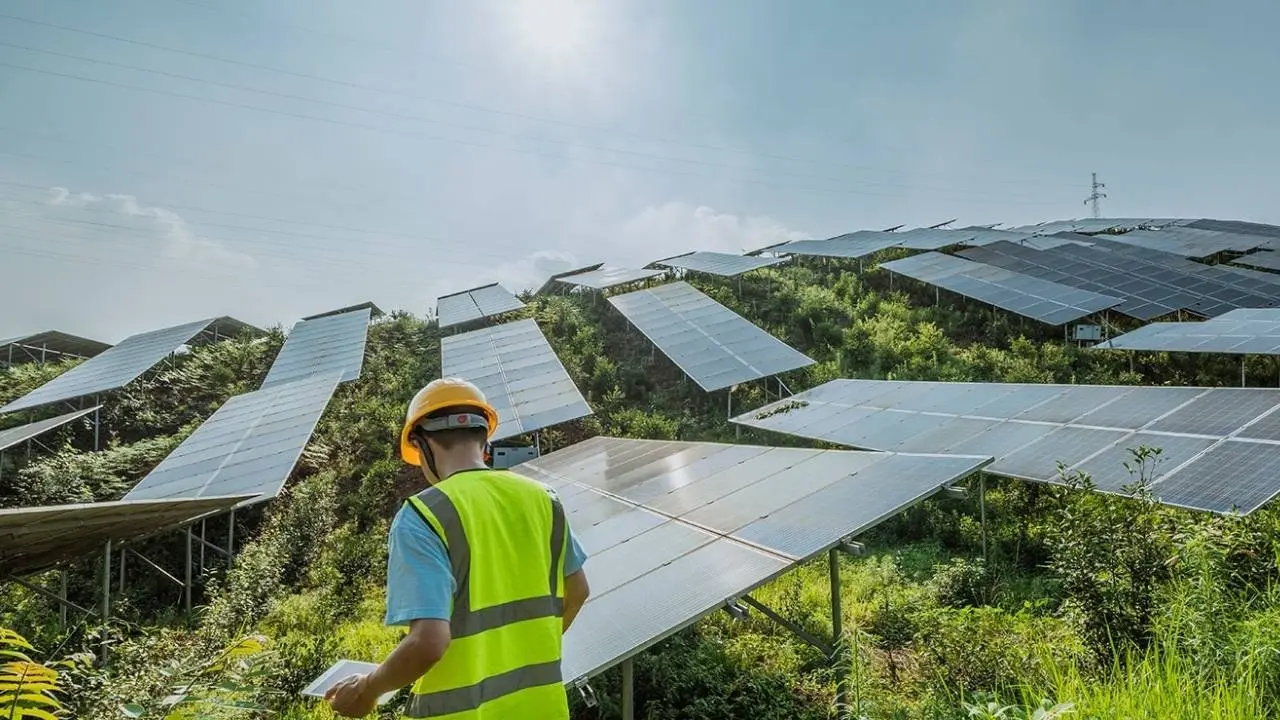
Solar power has been the major player in this expansion, accounting for the most significant share of newly added capacity. The growth has been fueled by utility-scale solar parks and increased rooftop installations, underscoring solar's cost-effectiveness and scalability.
Declining solar panel prices, enhanced efficiency, and swift project timelines have solidified its preference among public and private investors alike, leading to significant rises in solar projects across various states.
Wind and Other Renewable Sources Support the Growth
While solar remains the star, wind energy has also made a valuable contribution, particularly in coastal and high-wind areas, buoyed by initiatives fostering hybrid models with solar.
Additional renewable resources like small hydro and biomass have facilitated a more diverse clean energy portfolio.
Policy Framework Driving Rapid Developments
Government Targets Sustain Progress
India's bold renewable energy objectives have been crucial in driving the remarkable growth in capacity. These long-term goals have instilled confidence among investors and heightened participation throughout the ecosystem.
Supportive measures regarding land use, grid integration, and competitive bidding have significantly diminished project risks, resulting in expedited execution.
Encouraging Local Production
Domestic incentives promoting solar equipment manufacturing have diminished reliance on imports, fostering job growth and solidifying the renewable sector.
This emphasis on local production is aligned with broader economic aspirations while concurrently bolstering clean energy expansion.
Rising Dominance of Solar Power
Competitive Edge Over Traditional Energy
Solar's meteoric rise is largely attributable to declining costs. Solar tariffs have become increasingly favorable, often surpassing traditional fossil fuel prices.
This cost advantage has driven utilities and businesses to establish long-term solar purchase agreements, ensuring ongoing demand for new installations.
Rapid Deployment Capabilities
The speed at which solar projects can be developed is another key asset. Large-scale solar installations can be successfully operationalized in short periods, making solar an attractive option for meeting surging electricity demands.
State-Level Contributions to Growth
Leading States in Solar Expansion
Regions with high solar potential emerged as significant players in the clean energy surge, aided by favorable land conditions and proactive policies.
These areas have transformed into hubs for renewable investments, attracting both domestic and international capital.
Emerging Regions in Clean Energy Transition
In addition to established leaders, new areas also recorded considerable growth, buoyed by enhanced infrastructure and aligned policy frameworks, strengthening grid stability.
Impacts on Energy Security and Economic Resilience
Lowered Reliance on Fossil Fuels
The new 31.25 GW clean energy capacity significantly reduces dependency on imported fossil fuels, enhancing national energy security while insulating the economy from volatile global fuel prices.
Employment Growth in Renewable Sector
The renewable energy sector has become a key employment catalyst, creating jobs at various skill levels within manufacturing, construction, and operational fields.
Supporting industries such as energy storage and grid management are also witnessing a notable uptick in activity.
Addressing Grid Integration and Storage Challenges
Managing Intermittent Energy Sources
As renewable capacity increases, effectively managing intermittency arises as a critical challenge. Integrating smart grids and advanced forecasting systems will be essential.
The Growing Importance of Energy Storage
Battery and pumped hydro storage technologies are becoming vital to optimize renewable energy use and sustain grid reliability during peak demand times.
Aligning with Global Climate Goals
Progress Toward Net-Zero Commitments
This record capacity addition also aligns with India's climate change commitments, representing a crucial step in mitigating carbon emissions and transitioning to a sustainable economy.
Reinforcing Global Leadership in Renewable Energy
India’s rapid renewable expansion strengthens its stature as a world leader in clean energy, offering a sustainable development model for other nations.
Challenges Ahead
Challenges in Land Acquisition and Infrastructure
Despite significant advancements, challenges related to land acquisition and the existing transmission network require attention to maintain growth trajectories.
Financing and Project Execution Risks
Large-scale renewable projects entail considerable financial investment. While investor confidence remains robust, prompt financing and execution losses are an ongoing challenge.
Future Outlook for India’s Renewable Energy Landscape
Solar-Driven Growth Expected to Continue
Solar power is anticipated to lead the ongoing clean energy advancement. With continual innovations and reducing costs, solar installations could see exponential growth.
Rising Focus on Hybrid and Energy Storage Projects
Looking ahead, hybrid projects that integrate solar, wind, and storage will likely take center stage, ensuring greater reliability and enhanced grid integration.
A Crucial Milestone in India’s Energy Evolution
The addition of 31.25 GW in clean energy is not merely a statistical milestone; it indicates a marked shift towards a sustainable energy future, propelled by solar power, supportive legislation, and growing investor trust.
Though challenges endure, the achievements of this year lay a strong foundation for further advancements. With solar leading the charge, India’s renewable energy narrative is on the cusp of greater resilience and global significance.
Disclaimer
This article is intended for informational purposes only. Energy capacity figures are derived from reported data and may be revised as new data comes in.