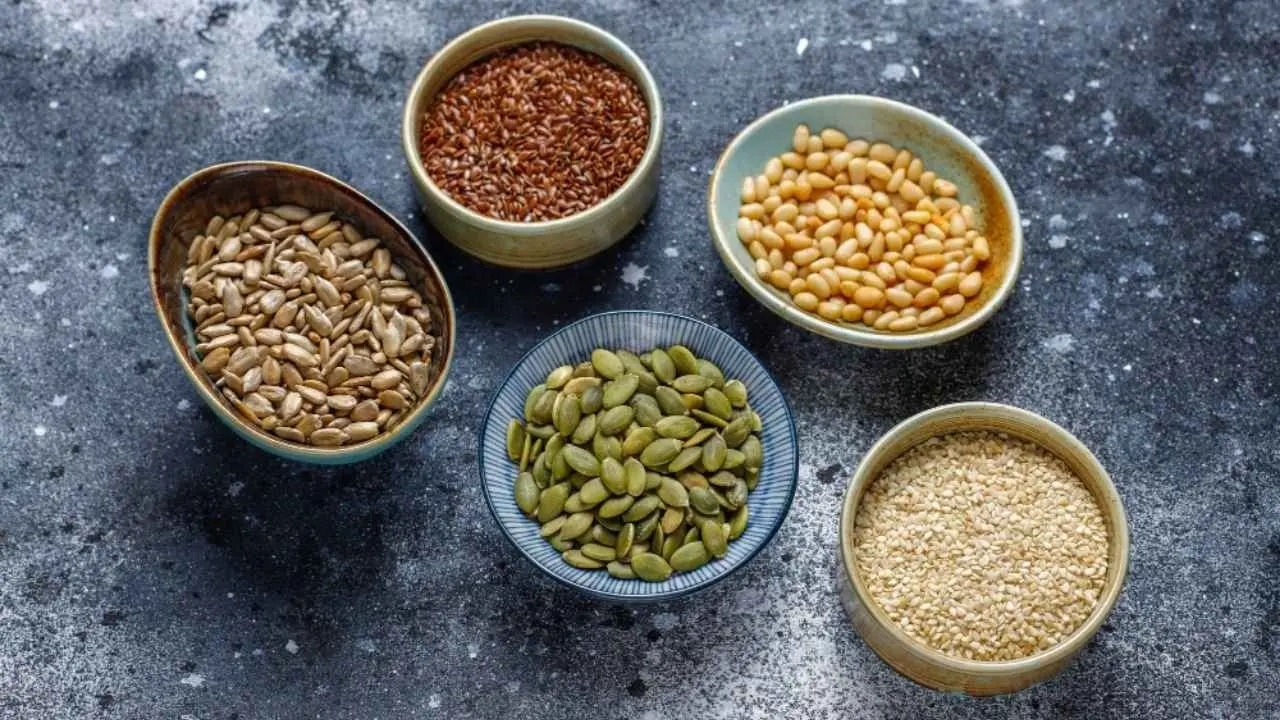
7 Seeds to Naturally Lower Cholesterol and Boost Heart Health
Cholesterol issues are becoming increasingly common in today's fast-paced world. Factors like stress, long hours, lack of physical activity, and poor eating habits contribute significantly to elevated levels of bad cholesterol (LDL). When these levels rise, fat accumulates in the arteries, narrowing blood vessels and hindering blood flow, ultimately escalating risks of heart disease, hypertension, and stroke.
Healthcare professionals emphasize the importance of medication and exercise, but dietary choices also play a crucial role in cholesterol maintenance. Incorporating specific seeds into your diet can be a simple yet effective strategy. These tiny powerhouses are loaded with fiber, healthy fats, antioxidants, and vital nutrients that foster heart health and decrease LDL cholesterol.
Here’s a detailed guide to seven seeds that can help you manage cholesterol levels naturally.
1. Flaxseeds
Flaxseeds are highly praised by nutritionists for their multiple benefits for heart health. They boast soluble fiber, which helps trap cholesterol in the digestive tract, aiding in its elimination. Moreover, the omega-3 fatty acids in flaxseeds assist in reducing inflammation and promoting smooth blood circulation.
Heart Health Benefits:
Ground flaxseeds are easier to assimilate than whole ones and can be added to oats, smoothies, yogurt, or sprinkled over various dishes.
2. Chia Seeds
Chia seeds swell when soaked in water, forming a gel that keeps you satiated, reducing the chances of overeating and curbing cravings. They are rich in omega-3 fats, fiber, and antioxidants.
Cholesterol Benefits:
Soaking chia seeds overnight lets you add them to juices, milkshakes, yogurt, or fruit salads.
3. Sesame Seeds
Rich in lignans, sesame seeds naturally support cholesterol balance and are abundant in calcium, iron, and healthy fats.
Heart Health Properties:
Incorporate sesame seeds into salads, curries, or make tahini, a flavorful paste used in various recipes.
4. Pumpkin Seeds
Packed with magnesium, zinc, and nutritious fats, pumpkin seeds help maintain arterial flexibility and support normal blood pressure.
Cholesterol Benefits:
Enjoy pumpkin seeds as a nutritious snack, or toss them into trail mixes, smoothies, soups, or baked goods.
5. Sunflower Seeds
These seeds contain plant sterols that inhibit cholesterol absorption, along with antioxidants that safeguard heart cells.
Sunflower Seed Benefits:
Opt for unsalted varieties to keep salt intake in check.
6. Fenugreek Seeds (Methi)
Fenugreek seeds have a long history in traditional medicine, known for their soluble fiber that slows down cholesterol absorption and helps maintain healthy blood sugar levels.
Cholesterol Benefits:
Soaking fenugreek seeds overnight and consuming them in the morning or incorporating the powder into dishes can be beneficial.
7. Hemp Seeds
Rich in omega-3 and omega-6 fatty acids, hemp seeds help curb inflammation and support heart muscles, as well as offering high-quality plant protein.
How They Aid Cholesterol:
Lower bad cholesterol
Enhance circulation
Strengthen heart muscles
Sprinkle hemp seeds onto salads, smoothies, breakfast bowls, or enjoy them as a snack.
Why These Seeds Are Effective in Lowering Cholesterol
Each of these seeds carries three vital attributes that contribute to their cholesterol-lowering capabilities:
1. High Fiber Content
Fiber binds to cholesterol in your digestive system, facilitating its removal.
2. Healthy Fats
Good fats lower LDL levels and are beneficial for heart health.
3. Antioxidants
Antioxidants shield arteries from damage induced by free radicals.
Together, these characteristics aid in maintaining natural cholesterol management.
Incorporating These Seeds Into Your Daily Diet
Small adjustments can create a significant impact, such as:
Adding a spoonful of mixed seeds to your breakfast
Sprinkling seeds on salads, soups, yogurt, or oats
Blending seeds into smoothies
Consuming roasted seeds as a nutritious snack
Using seed-based spreads like tahini
Just one to two tablespoons a day can enhance cholesterol levels over time.
Additional Tips for Healthy Cholesterol Levels
For maximum benefits, combine seeds with other healthy lifestyle choices. Recommendations include:
Increasing fruit and vegetable intake
Minimizing fried and processed food
Steering clear of sugary treats
Exercising for at least 30 minutes daily
Staying hydrated
Managing stress through activities like meditation
Implementing these changes supports long-term heart wellness.
Despite their small size, these seeds pack considerable advantages for cardiovascular health. Flaxseeds, chia seeds, sesame seeds, pumpkin seeds, sunflower seeds, fenugreek seeds, and hemp seeds can effectively lower LDL cholesterol levels and enhance overall heart health. By adding them to your meals and adopting a balanced lifestyle, you can safeguard your heart and mitigate the risk of chronic health issues.
If you're seeking a straightforward and natural way to improve heart health, these seven seeds are an ideal option.
Disclaimer
This article is intended for informative purposes only and should not replace professional medical advice. Individuals with heart conditions, high cholesterol, diabetes, allergies, or digestive issues should consult with a healthcare provider before incorporating new seeds or supplements. Health needs differ from person to person, and what is beneficial for one might not be suitable for another. Always adhere to professional advice for safe health practices.