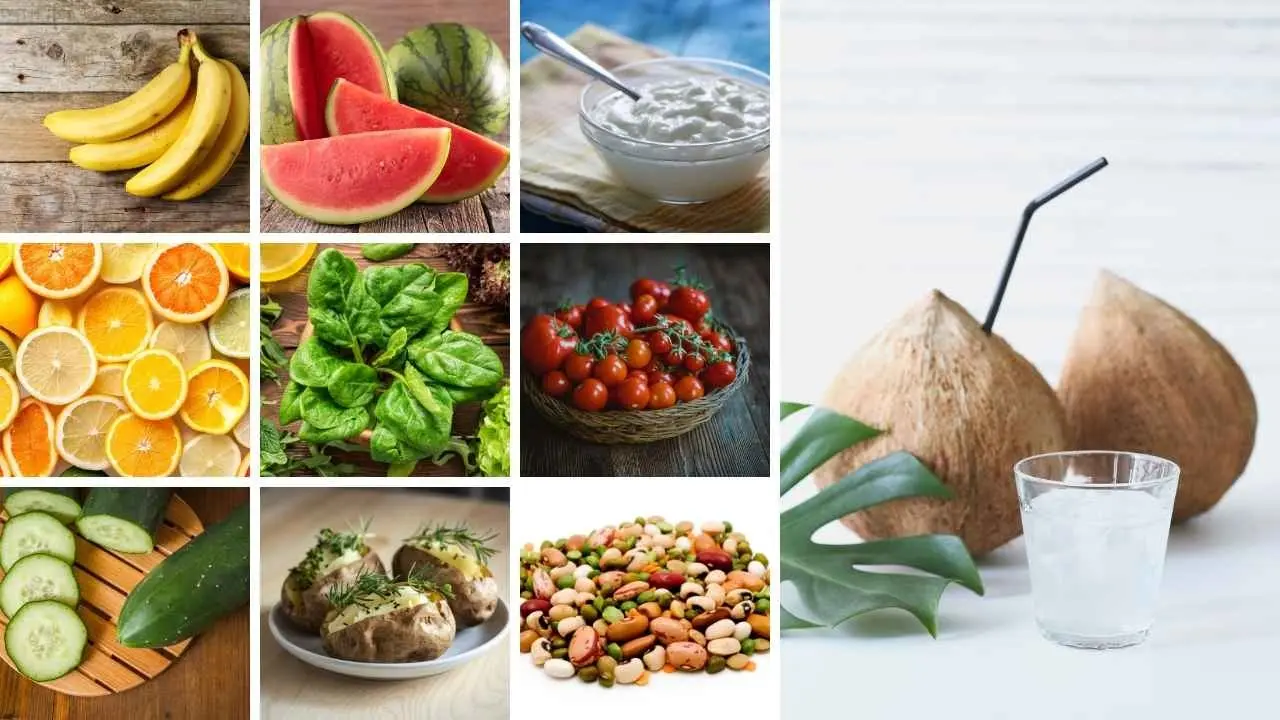
10 Everyday Foods to Naturally Lower High Sodium Levels
Rising sodium levels pose a serious health risk, particularly for those consuming a lot of processed foods, fast meals, and salty snacks. High sodium intake can lead to water retention, putting pressure on the heart, elevating blood pressure, and increasing kidney workload. This can ultimately heighten the risk of severe health issues like heart disease, stroke, and kidney damage over time.
Fortunately, you don't have to rely solely on medications to manage sodium levels. Incorporating certain foods into your diet can naturally help in reducing sodium levels. These foods support kidney health, regulate electrolytes, and aid in the excretion of excess salt through urine. Integrating these into your meals can support better heart health and maintain fluid balance.
Let’s delve into 10 everyday foods that can aid in lowering sodium levels.
1. Bananas
Loaded with potassium, bananas help balance sodium levels in the body. This mineral can lower blood pressure and reduce water retention.
How bananas aid:
-
Decrease water retention
-
Boost kidney health
-
Relax blood vessels
Eating one banana daily can help you maintain a balance between sodium and potassium, facilitating sodium elimination.
2. Citrus Fruits
Citrus fruits, such as oranges and grapefruits, are rich in potassium and water content, making them excellent at flushing sodium from the body.
Citrus benefits:
Incorporate fresh oranges or citrus juices into your routine to manage sodium effectively.
3. Cucumbers
Cucumbers, comprising mostly water, are excellent for reducing sodium levels. They act as natural diuretics to help eliminate excess salt.
How cucumbers help:
Cucumbers can easily be added to salads, snacks, or detox beverages for a natural way to lower sodium.
4. Watermelon
Watermelon not only hydrates but also helps cleanse the kidneys, removing extra sodium. Its high water content and natural electrolytes make it perfect for fluid balance.
Watermelon benefits:
-
Contains water and natural electrolytes
-
Helps reduce blood pressure
-
Supports kidney cleansing
Enjoy fresh watermelon daily to aid hydration and sodium balance.
5. Leafy Greens
Greens like spinach, kale, and lettuce are abundant in potassium and magnesium, promoting the expulsion of excess sodium and enhancing circulation.
Leafy greens benefits:
Incorporate leafy greens into meals to support healthy sodium levels.
6. Potatoes
Rich in potassium, potatoes help adjust sodium levels. Just avoid processed versions that are typically high in sodium.
Potatoes benefits:
Opt for boiled or baked potatoes for potassium without added sodium.
7. Yogurt
Yogurt is a great source of potassium and calcium, supporting healthy kidney function and electrolyte balance. It can mitigate the effects of high-sodium meals.
Yogurt benefits:
Choose plain, unsweetened yogurt to maximize health benefits while minimizing added sugars.
8. Coconut Water
Coconut water is replete with electrolytes, making it a fantastic choice for maintaining a healthy sodium level. It helps flush excess salt from the body and hydrates efficiently.
Coconut water benefits:
-
Rich in natural electrolytes
-
Promotes sodium expulsion
-
Aids in preventing muscle cramps
Enjoy a glass of coconut water daily to stay hydrated and keep sodium levels stable.
9. Tomatoes
Tomatoes are high in water, potassium, and antioxidants, aiding in sodium reduction. They also help support healthy blood pressure and diminish swelling.
Tomato benefits:
Incorporating fresh tomatoes or juice is a great way to lower sodium levels naturally.
10. Beans and Lentils
Beans and lentils are filled with potassium, fiber, and plant-based protein, which assist in managing sodium absorption and support overall heart health.
Beans and lentils benefits:
Incorporate lentils or chickpeas into your meals for natural sodium control and improved health.
The Importance of Sodium Control
Maintaining sodium balance is crucial because:
-
Excess sodium heightens blood pressure
-
Strains the heart's ability to pump blood
-
Overburdens the kidneys
-
Causes swelling in extremities
Even minor dietary adjustments can significantly affect your long-term well-being.
Natural Tips to Lower Sodium
In addition to eating sodium-reducing foods, experts suggest:
-
Drinking ample water daily
-
Avoiding processed foods
-
Cooking with minimal salt
-
Using herbs for flavor instead of salt
-
Checking labels for hidden sodium
Implementing these small lifestyle changes can greatly support your heart and kidney health.
Elevated sodium levels can be a significant health risk, but simple dietary modifications can help manage them. Foods such as bananas, citrus fruits, cucumbers, and yogurt can play a vital role in removing excess sodium and achieving a healthy balance. By making these items a staple in your diet and minimizing processed food intake, you can enhance your heart, kidney function, and overall wellness.
Disclaimer
This article serves as general guidance on foods that may help in lowering sodium levels. It is not intended to replace qualified medical advice, diagnosis, or treatment. If you experience high sodium levels or have health concerns related to your heart or kidneys, it is vital to consult with a healthcare professional for tailored advice. Always seek guidance from your physician before modifying your diet or treatment protocol.