Photo: Netflix
A Detective Reimagined
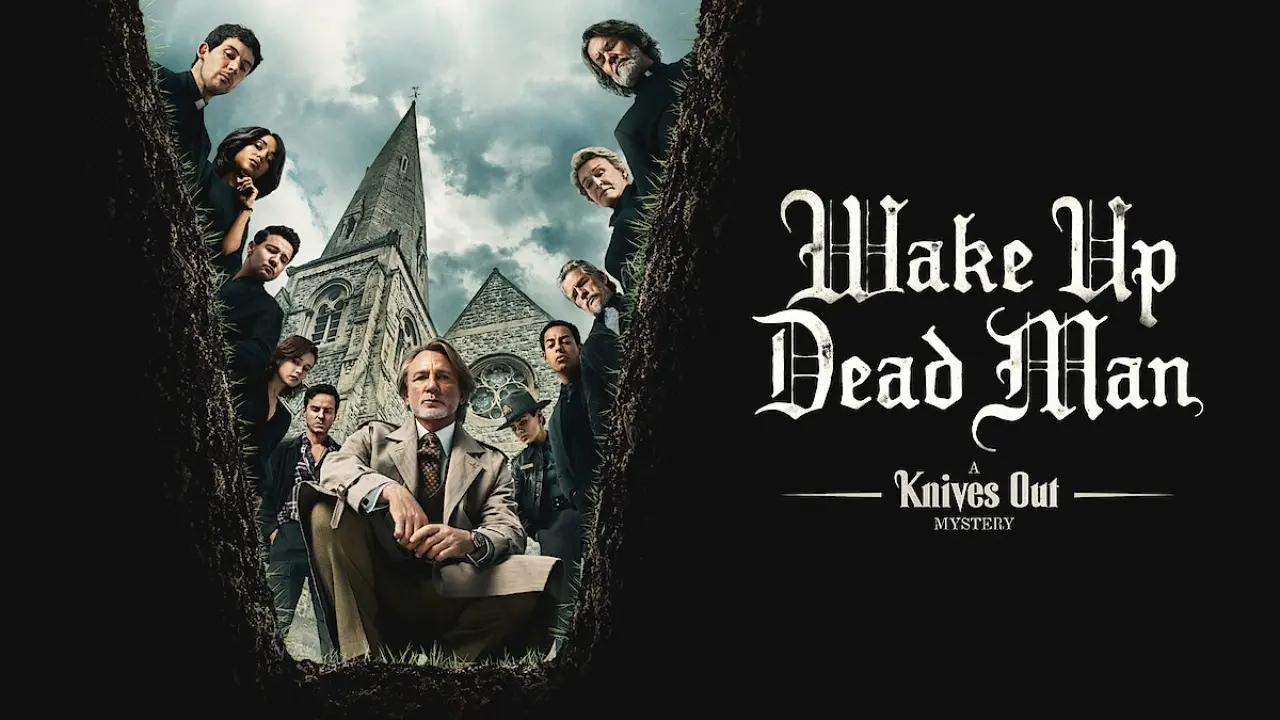
Rian Johnson reinvigorates the whodunit genre with unparalleled creativity in Wake Up Dead Man. Following the success of Knives Out and Glass Onion, Johnson presents a film that artfully blends playfulness with profound maturity. Once again featuring Daniel Craig as Benoit Blanc, this character's charming Southern accent and sharp intellect have solidified his place in modern film history.
However, this installment brings forth a more intricate mystery, explores deeper stakes, and carries a slightly grimmer tone. Wake Up Dead Man delves beyond the surface of who committed the crime to question the reasons behind self-deception, the corrosive nature of guilt, and the true value of uncovering the truth. This effort marks Johnson’s boldest and most emotionally impactful whodunit to date.
Unveiling the Plot without Spoiling
More Than Meets the Eye
At its essence, Wake Up Dead Man centers around a seemingly straightforward death, which morphs into a series of revelations as Benoit Blanc begins to probe deeper. What initially presents as a resolved case unfolds into an intricate web of hidden truths, conflicting alibis, and repressed anger.
Johnson crafts the narrative like a traditional puzzle box, yet with a pacing that offers characters room to evolve. The tension escalates as moral dilemmas surface, rather than relying on abrupt plot twists alone.
Location as Character
The film's setting is pivotal, acting as both a tangible backdrop and a mental pressure cooker. Each space is meticulously designed to harbor secrets while feigning transparency. Johnson skillfully employs the setting as a narrative device, where silence and glances become as significant as speech.
Craig's Benoit Blanc: Authority in Restraint
A Grounded Presence
In Wake Up Dead Man, Daniel Craig's Benoit Blanc steps into a more nuanced portrayal, demonstrating quiet authority. He tones down flamboyance to present a detective deeply influenced by past experiences.
This Blanc is an exemplary listener, absorbing more than he delivers. When he does speak, his words resonate with sincerity rather than exaggerated theatrics.
Guiding Rather than Performing
Craig’s greatest achievement lies in his ability to oversee the story rather than overshadow it. He empowers the ensemble cast to shine, stepping in when necessary. This approach manifests a detective who serves as a moral compass amidst chaotic circumstances.
Johnson’s Confident Direction: No Complacency
Innovating the Whodunit Style
Rian Johnson recognizes that predictability undermines suspense. Instead of replicating previous formulas, he subtly repositions familiar elements. The joy of piecing together clues persists, yet the emotional stakes are deeper and more disconcerting.
Johnson respects the audience's intelligence, refraining from excessive exposition. He allows ambiguity to thrive, provoking contemplation without crossing into frustration.
Tone: Dark but Inviting
While Wake Up Dead Man embraces a darker atmosphere, it never veers into bleakness. Johnson strikes a balance between mounting tension and moments of understated humor. The laughter is muted yet feels authentic rather than forced.
The Ensemble: A Tapestry of Motives
Characters Loaded with Complexity
Each supporting character is thoughtfully developed, serving not merely as suspects but as complex individuals. Their secrets emerge as reflections of their fears, aspirations, and regrets.
Johnson shuns simplistic portrayals of good and evil, presenting instead a rich spectrum of moral ambiguity. This complexity elevates the narrative from just a mystery to a profound character exploration.
Noteworthy Performances
The cast delivers exceptional performances, with subtle changes in tone and body language yielding insight beyond mere dialogue. A second viewing reveals the meticulousness each actor brings to their role, embedding emotional breadcrumbs for discerning viewers.
Lingering Themes Beyond the Reveal
The Dichotomy of Truth and Justice
One of the film's core inquiries questions whether unveiling the truth necessarily leads to justice. Benoit Blanc navigates scenarios where disclosing facts may cause more harm than good, intertwining ethical concerns with the narrative.
Guilt as a Silent Shadow
Wake Up Dead Man parses guilt not as a prelude to confession but as an insidious influence molding behaviors. Characters unravel, not solely through astute detective work, but by grappling with the consequences of their own choices.
Cinematography: Subtle Yet Impactful
A Color Palette of Restraint
The film's visual approach champions subtlety over spectacle. Muted hues and controlled lighting cultivate an ambiance of quiet tension. Shadows serve a dual role—both mood enhancers and indicators of the unseen.
Clues in Plain Sight
Johnson and his cinematographer cleverly embed visual hints throughout, rewarding the observant viewer. These elements, far from gimmicks, seamlessly integrate into the narrative.
Dialogue: Intelligent and Intentional
Revealing Through Dialogue
Each line in the script brims with purpose, whether it's revealing character insights, progressing the narrative, or skillfully misdirecting the audience.
Silence Speaks Volumes
Johnson’s strategic use of pauses, incomplete thoughts, and brief silences often communicates more than lengthy dialogues. This restraint enriches the story’s realism and emotional depth.
Evolution of the Series
Progressing Naturally
Wake Up Dead Man doesn’t merely seek to outshine its predecessors with overt theatrics; instead, it marks a meaningful evolution of the franchise. It reflects a dynamic filmmaker and actor partnership willing to embrace subtleties over extravagance.
Emphasis on Emotional Resonance
While earlier entries dazzled with wit, this piece leaves a lasting emotional resonance. Though the mystery resolves, its moral inquiries linger, inviting contemplation beyond mere applause.
Audience Engagement: A Thoughtful Experience
Patience is Rewarded
This film doesn’t rush to captivate. It encourages viewers to focus, listen intently, and examine motivations rather than surface outcomes. Those who engage will find a profoundly satisfying experience.
Enhanced Rewatch Value
Like premier mysteries, Wake Up Dead Man grows richer upon repeat viewings. Familiarity with the plot allows for a greater appreciation of its intricate construction and performance nuances.
Highlights and Minor Shortfalls
Exceptional Aspects
The film’s performances, direction, and ambitious themes surpass genre norms. Craig’s restrained authority anchors the narrative, while Johnson's clear vision ensures cohesiveness.
Potential Divisive Elements
Some viewers expecting a lighter tone may find this installment to be refreshingly introspective. However, this tonal change feels deliberate and is artistically justified.
Final Thoughts: A Whodunit that Matures with Its Viewer
Wake Up Dead Man transcends the typical mystery genre; it offers a contemplative exploration of truth, guilt, and accountability, all while being cloaked in an engaging narrative style. Daniel Craig’s portrayal of Benoit Blanc is among his most profound performances, affirming Rian Johnson’s reputation as a leading voice in modern storytelling.
The film respects its audience, trusting them to follow intricate emotional and narrative threads without overly simplifying its conclusions. It boldly presents a mystery that both entertains and provokes thought, lingering long after the credits roll.
For aficionados of intelligent cinema and nuanced whodunits, Wake Up Dead Man is far more than a puzzle; it serves as a testament to the genre’s potential for delivering rich, compelling stories.
Disclaimer:
This review reflects personal interpretations and cinematic evaluations. Opinions expressed within are subjective and serve both informative and entertainment purposes.