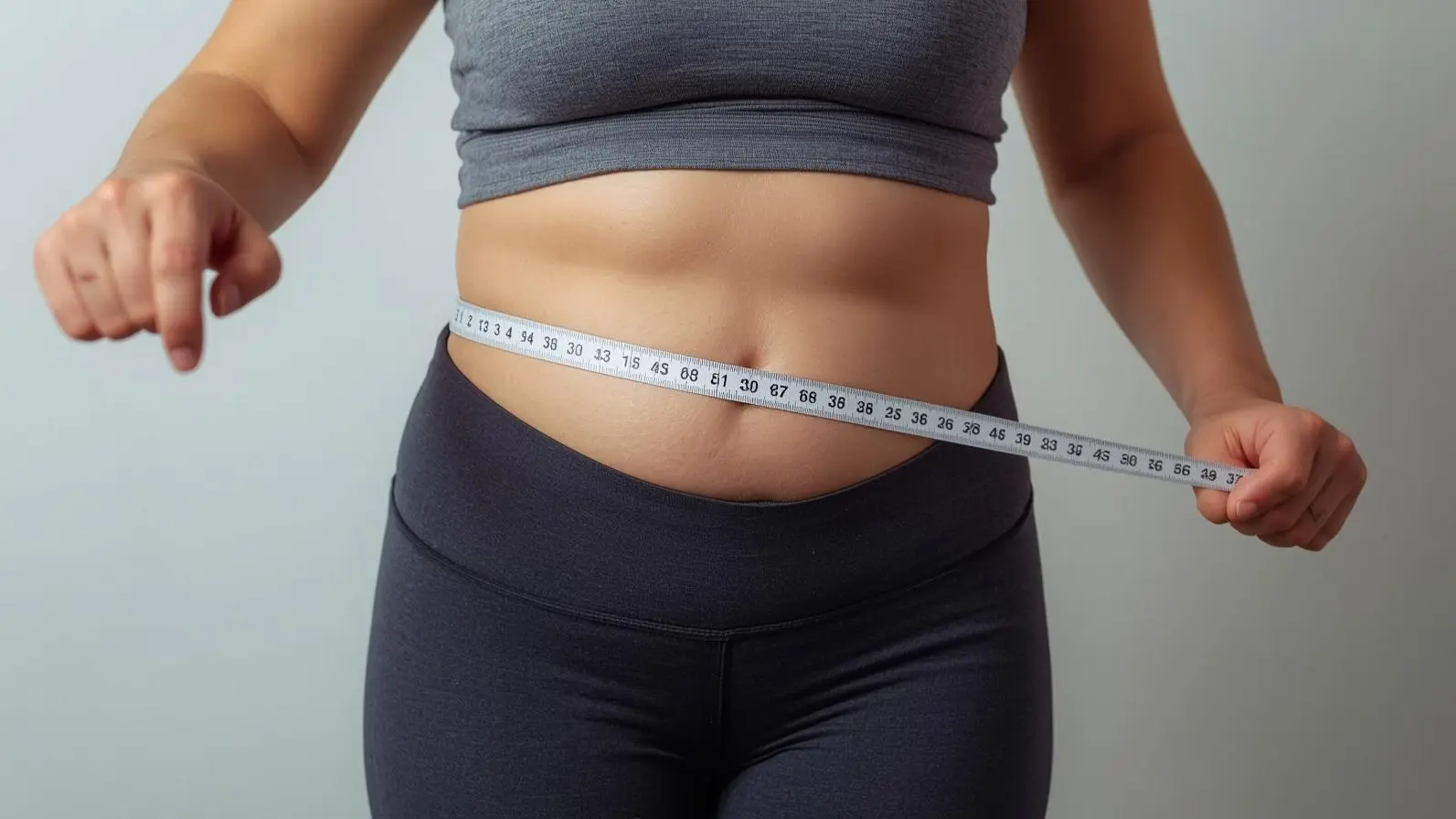
Unpacking the Reasons Behind Stagnant Weight Loss Despite Healthy Eating
Experiencing frustration with your weight despite eating what you consider "healthy"? It's disheartening when you're making all the right food choices yet see no results on the scale. Often, this leads to self-doubt about metabolism or even the belief that effective weight loss is unattainable for you.
The reality is more nuanced. Achieving weight loss isn't solely about consuming healthy foods; it also involves how your body reacts to food volume, timing, stress, hormones, sleep, and reliability in habits. Many individuals might be on the right track but overlook significant elements that hinder their progress.
In this article, we reveal the science-based reasons that could explain why your weight isn’t decreasing while you're sticking to a healthy diet, along with what truly facilitates weight loss.
Not All Healthy Foods Are Calorie-Sensible
A prevalent misconception is that consuming healthy foods guarantees weight reduction.
Understanding This Concept
Foods such as nuts, seeds, and avocados, while nutritious, tend to be calorically dense. Without portion control, your calorie intake could easily surpass what your body uses.
For instance:
-
A small handful of nuts can have as many calories as a full meal.
-
Smoothies packed with fruits and nuts can easily reach over 500 calories.
-
Just because a meal is homemade doesn’t mean it's low-calorie.
Effective weight loss necessitates a caloric deficit, even with nutritious meals.
A Lack of Portion Awareness
Although you're consuming healthy options, you might not be mindful of how much you’re eating.
Why Portion Control Matters
While your body responds to the overall energy intake, an abundance of healthy foods can stall weight loss if you're not mindful of serving sizes.
Common errors concerning portions include:
-
Snacking directly from bags.
-
Using oversized dishware.
-
Free-pouring cooking oils.
-
Frequent small snacks that cumulatively add up.
Recognizing portions is crucial, akin to the food choices made.
Inconsistent Healthy Eating Habits
Consistency trumps perfection.
Weekend Eating Patterns
While many adhere to healthy eating from Monday to Friday, weekends often bring relaxed habits. A couple of days of indulgence can effectively reverse a week’s calorie deficit.
This encompasses:
Hidden Sugars Lurk in “Healthy” Options
Numerous items branded as healthy can secretly thwart weight loss.
Examples Include:
-
Flavored yogurts.
-
Cereals marketed as good for you.
-
Protein bars.
-
Packaged juices.
-
Salad dressings.
These seemingly nutritious choices often harbor added sugars, processed carbs, and extra calories. Misleading labels can create a deceptive sense of security, leading to unintentional overindulgence.
Insufficient Protein Consumption
Protein is pivotal for fat reduction.
Significance of Protein
-
Maintains muscle during weight loss.
-
Keeps you feeling satiated for longer periods.
-
Caters to reduced cravings.
-
Boosts calorie expenditure during digestion.
Surprisingly, many who consume “healthy” meals still don’t take in enough protein, especially if they’ve cut out animal products without proper precautions.
Inadequate protein can spur hunger, muscle degradation, and hinder metabolism.
Stress Could Be Undermining Your Fat Loss
Chronic stress is a frequently overlooked hurdle in your weight loss journey.
Impact of Stress on Weight
-
Increases levels of cortisol, the stress hormone.
-
Facilitates fat storage, particularly in the abdominal area.
-
Stirs up cravings for sugary and carb-rich foods.
-
Can interfere with sleep and digestive health.
High stress levels can push your body into fat-storing mode, irrespective of ideal food choices.
Lack of Quality Sleep Can Counteract Healthy Eating
Sufficient sleep is vital for effective weight management.
Consequences of Sleep Deprivation
-
Heightens hunger-inducing hormones.
-
Lessens signals indicating fullness.
-
Reduces insulin responsiveness.
-
Decreases energy levels for physical activity.
Regularly getting less than 6 to 7 hours of sleep complicates fat loss, no matter the quality of your diet.
You May Not Be Moving as Much as You Assume
While exercise isn't indispensable for weight loss, adequate movement is crucial.
Concerns Related to Sedentary Habits
Many tend to:
-
Remain seated for extended intervals.
-
Depend solely on short workout sessions.
-
Overestimate their daily activity levels.
Insufficient daily movement could diminish total calorie expenditure and worsen insulin resistance.
Weight loss is often more effective with daily movement habits compared to sporadic, intense workouts.
Overindulging in Healthy Snacks
Snacking often contributes to weight stagnation.
Why Snacking Can Be Problematic
Nutritious snacks are frequently consumed absentmindedly:
Your Metabolism May Have Adjusted
Over time, your body can adapt during extended dieting.
What Metabolic Adaptation Entails
-
Your body may burn fewer calories at rest.
-
Can elevate feelings of hunger.
-
May result in decreased energy levels.
-
Leads to a slowdown in weight reduction.
This often occurs due to:
-
Very low-calorie diets.
-
Extensive cardio workouts.
-
Frequent meal skipping.
Your body’s primary goal is survival rather than fat loss.
Subtle Hormonal Imbalances
Hormonal fluctuations impact weight management more than sheer willpower.
Potential Factors
-
Thyroid irregularities.
-
Insulin resistance issues.
-
PCOS.
-
Cortisol irregularities.
-
Shifts associated with perimenopause.
These conditions could complicate weight loss efforts, even with a healthful diet.
Digestive and Gut Health Concerns
Subpar digestion can hinder nutrient absorption and cause inflammation.
Effects on Weight
-
Imbalances in gut bacteria can lead to increased fat retention.
-
Inflammation is known to cause water retention.
-
Bloating may obscure actual fat loss progress.
A well-functioning gut can enhance metabolism and regulate appetite.
Focusing Only on the Scale
Your weight doesn't paint the entire picture.
Why Relying on the Scale Can Mislead
-
Muscle gain can compensate for fat loss.
-
Weight fluctuations due to water retention.
-
The impact of hormonal cycles on weight variation.
Body measurements, how your clothes fit, energy levels, and strength can often be more reliable metrics of success.
Emotional Eating Can Still Happen
Even when consuming healthy foods, people may eat for emotional reasons.
Indicators of Emotional Eating
-
Eating out of boredom, stress, or anxiety.
-
Continuing to eat beyond feeling full.
-
Using food as a coping mechanism.
Successful weight loss entails understanding not just what you eat, but why you eat.
Sustainable Weight Loss Strategies That Work
Prioritize Balance Over Restriction
Ensure meals are comprised of proteins, fibers, healthy fats, and carbohydrates.
Mindful Eating
Savor your meals away from distractions and attune to hunger signals.
Focus on Sleep and Stress Management
Both are as critical as diet.
Boost Daily Activity Levels
Simple actions like walking or standing can yield substantial benefits.
Monitor Patterns Instead of Striving for Perfection
Mindfulness leads to improved choices.
When to Reach Out for Professional Guidance
If you don’t see changes despite consistent efforts over several months, consider seeking professional insights to evaluate:
The Core Truth About Healthy Eating and Weight Loss
Eating healthfully is beneficial, yet lasting weight loss hinges on aligning food quality and quantity with lifestyle and physiological factors. Your body doesn’t resist your efforts; it reacts to the various signals it encounters daily.
Deciphering those signals is pivotal for achieving enduring success.
Disclaimer
This article serves educational and informational purposes and is not a substitute for medical or nutritional counsel. Weight loss reactions differ due to individual health contexts, genetics, and lifestyle facets. Consult a healthcare or nutrition expert for personalized assistance if issues persist.