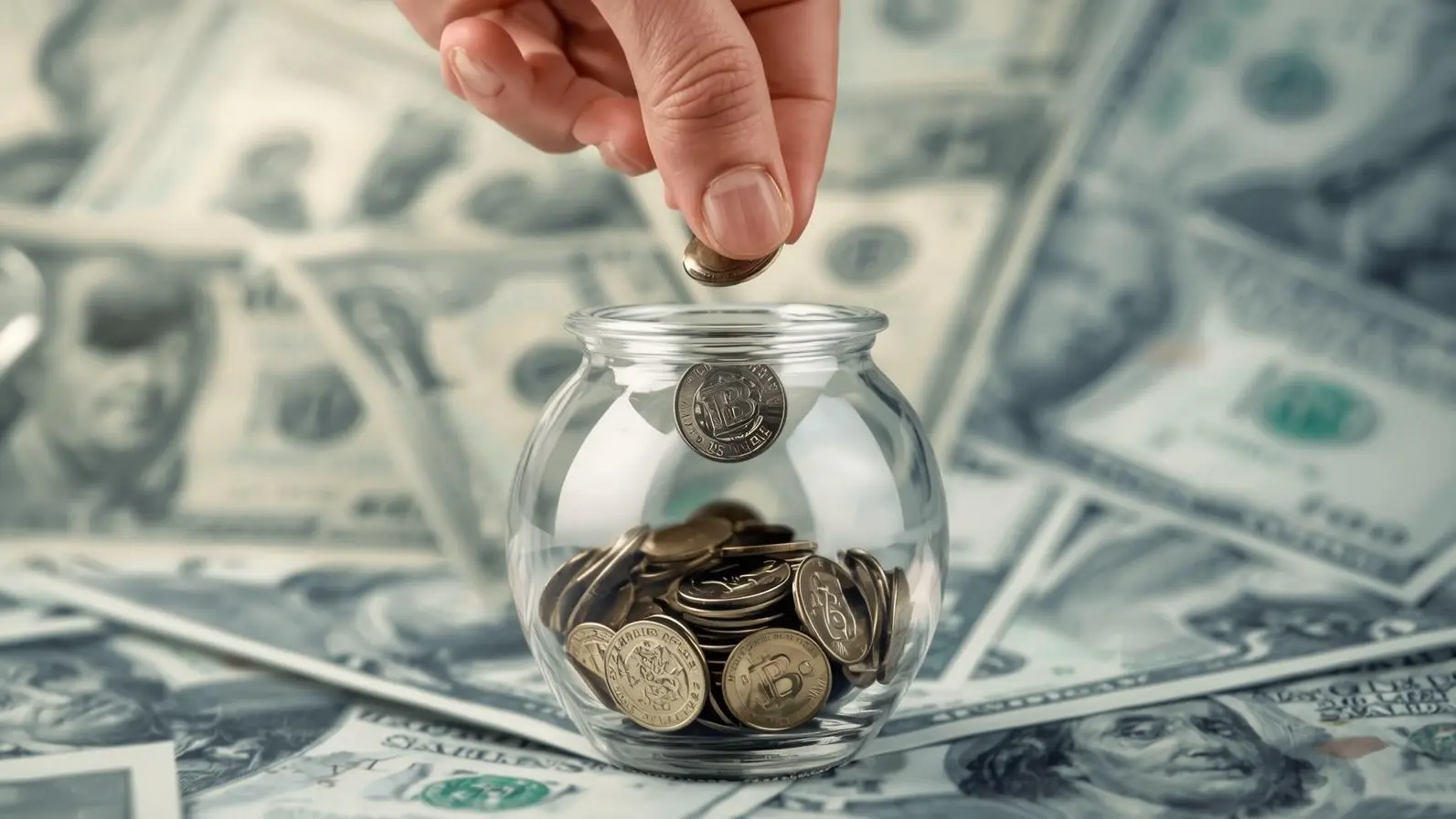
Understanding the Challenges of Saving Money in Today’s Economy
Saving money once seemed easy: earn a steady income, manage expenses wisely, and regularly set aside savings. However, many individuals with secure jobs and consistent earnings now find themselves in a cycle of living paycheck to paycheck. This phenomenon isn’t merely a personal shortcoming; it stems from shifts in lifestyle, psychology, and economic structures that have reshaped our financial landscape.
This article delves into the reasons saving appears more challenging today, especially for those who are typically fiscally responsible, unveiling the underlying dynamics.
Stable Income Doesn’t Mean Fixed Expenses
A common misconception today is that a steady income results in lasting financial stability.
Expenses Are Constantly Shifting
In the past, key expenses such as housing, food, commuting, and utilities saw gradual changes. Nowadays:
-
Rents are on the rise regularly.
-
Fuel and energy costs vary significantly.
-
Education and healthcare expenses climb year after year.
-
Subscriptions often renew automatically without notice.
While your income may remain stable, your costs are fluid, erratic, and frequently non-negotiable.
Inflation Outstrips Salary Growth
Even when paychecks increase, they frequently fail to align with actual inflation, particularly regarding necessities. This leads to the false perception of earning more while experiencing decreased purchasing power.
Subtle Lifestyle Inflation
Lifestyle inflation isn’t always about overt luxury spending.
How It Creeps In
-
Upgraded phone plans.
-
Regular food deliveries.
-
Paid applications superseding free versions.
-
Taxi rides replacing public transportation.
-
Convenience purchases overshadowing advance planning.
Each small enhancement feels justified, but cumulatively they can consume much of your income growth.
Why It’s Hard to Detect
Since these expenses seem trivial, individuals often don’t recognize them as overspending. Over time, savings dwindle without clear warning signs.
Convenience Comes at a Cost
Contemporary life promotes convenience—and convenience invariably carries a premium.
What Saving Time Costs
-
Pre-packaged meals are pricier than cooking your own.
-
Same-day delivery incurs hidden fees.
-
Subscriptions have replaced conventional ownership.
-
Digital services charge monthly rather than annually.
You aren't just paying for products—you're paying for speed, availability, and ease.
Mental Exhaustion Impacts Financial Decisions
Decision fatigue is an actual financial concern.
Why Tired Minds Are Heavier Spenders
After long work hours, commutes, screen time, and constant notifications, the mind seeks relaxation. Spending morphs into a quick route to comfort.
Consequently, this leads to:
-
Spontaneous purchases.
-
Food ordering instead of cooking.
-
“I deserve it” expenditures.
Saving demands mental focus. Spending, in contrast, requires nearly none.
Saving Faces Competing Priorities
Past generations prioritized saving over spending. Today, saving is up against:
-
Travel and experiences.
-
Personal development.
-
Health and wellness investments.
-
Social obligations.
-
Supporting family.
These costs aren’t trivial—they’re now seen as essential elements, compelling saving to feel like a sacrifice.
The Pressure of Lifestyle Maintenance
Social media has transformed perceptions of what’s “normal.”
The Hidden Comparison Trap
Observing friends travel, upgrade their residences, enjoy dining out, and purchase gadgets fosters unspoken pressure to emulate these lifestyles—even when financial circumstances vary.
This pressure:
-
Normalizes high spending.
-
Makes simpler living seem insufficient.
-
Transforms saving into a postponed task.
The repercussions are not only financial but also mental.
Insecurity of Emergency Funds
Although many do save, it seldom feels adequate.
Reasons Savings Seem Vulnerable
-
Medical costs rise more swiftly than savings.
-
Job stability appears tenuous.
-
Education and housing expenses feel daunting.
Even with savings, individuals hesitate to commit more as upcoming costs seem infinite and unpredictable.
Stable Income, Unstable Cash Flow
Saving is more about clear cash flow than just the size of one’s income.
Challenges in Cash Flow Management
-
Annual expenditures can strike suddenly.
-
Insurance, taxes, and upkeep can appear unexpectedly.
-
Loan commitments coincide with standard expenses.
Without defined budgets for distinct purposes, savings get lost amidst everyday spending.
Saving Is Becoming Less Rewarding
Spending offers immediate satisfaction, while saving often does not.
Why Saving Feels Thankless
-
There’s no quick visible reward.
-
It often feels like giving up present pleasures.
-
Emergencies frequently counteract efforts.
Without emotional reinforcement, saving seems like a fruitless endeavor.
The Erosion of Automatic Saving Systems
Previous financial frameworks facilitated automatic saving.
What’s Different Now
-
Fewer employer-driven saving plans.
-
Increased self-directed financial management.
-
Easy credit access diminishes the sense of urgency.
Today, saving relies heavily on personal discipline, which can be inconsistent.
Debt Has Become the Norm
Debt no longer signals a warning sign.
How This Impacts Saving
-
Monthly installments diminish disposable income.
-
Credit cards can mask the reality of spending.
-
“Buy now, pay later” postpones financial confrontation.
In a culture where debt feels acceptable, saving can seem optional.
Prioritizing Emotional Comfort Over Financial Discipline
Individuals often place emotional well-being above monetary discipline.
Instance Examples
-
Ordering takeout to alleviate stress.
-
Shopping as a means of maintaining control.
-
Spending as a reward for hard work.
In uncertain times, emotional stability often trumps long-term financial aims.
Why Conventional Saving Advice Seems Obsolete
-
Necessities are now more costly, not luxuries.
-
Individuals are already stretching resources to their limits.
-
Minor sacrifices do not cover systemic price hikes.
This leads to frustration and guilt rather than progress.
The Reality Behind the Difficulty of Saving
The challenge of saving increased due to:
-
Expenses escalating quicker than salaries.
-
Life’s demands increasing spending.
-
Limits on mental resources.
-
Financial systems promoting consumption.
-
Feelings of instability.
This isn’t merely a personal failure; it’s fundamentally a shift in contemporary living dynamics.
Transformative Insights
Understanding the reasons behind the complexity of saving allows you to:
-
Cease self-blaming.
-
Formualte realistic financial strategies.
-
Concentrate on systems over sheer willpower.
-
Separate self-reproach from strategy.
Successful saving today demands clarity, systems, and understanding, rather than extreme resolve.
A Balanced Approach to Saving
Today, saving should not equate to deprivation. It’s about:
A Conclusive View on Modern Savings Issues
If it appears that saving has never been harder, especially with a steady income, you aren't mistaken. The landscape has transformed. Costs are variable, pressure is relentless, and convenience comes at a hefty cost.
The goal isn't to save more diligently; it’s about saving more wisely with systems that reflect the realities of modern living.
Disclaimer
This article serves solely for informational and educational purposes and should not be considered as financial, legal, or investment guidance. Financial circumstances vary based on income, geographic location, responsibilities, and personal ambitions. It is recommended to seek the counsel of a qualified financial advisor prior to making significant financial choices or alterations.