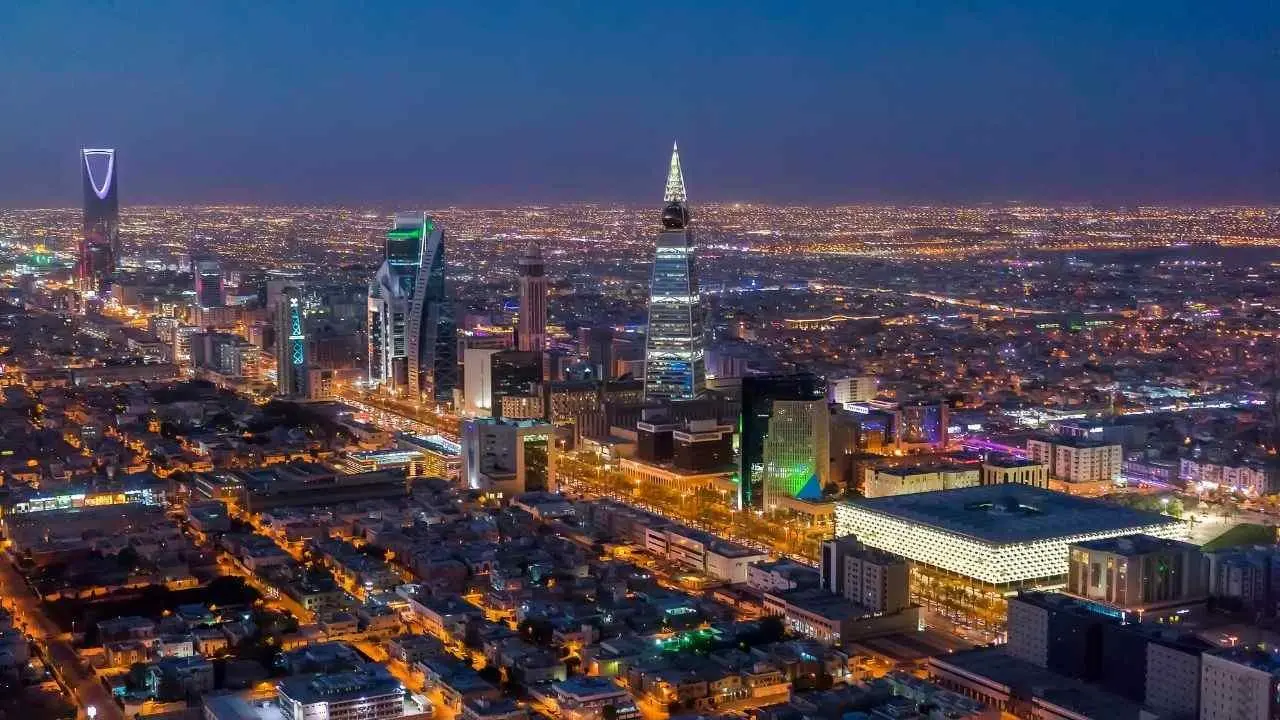
In a significant change, Saudi Arabia will permit foreign nationals to own property starting January 2026 under a new legal framework. This law outlines the specific areas where foreigners can purchase property, the types allowed, and applicable ownership limits, paving the way for increased investment while ensuring clear guidelines.
Foreign individuals will be allowed to own residential properties in most Saudi cities, with the exception of Makkah, Madinah, Jeddah, and Riyadh. Potential future allowances for property ownership in designated zones within these cities remain possible. Non-Saudi residents can retain one home outside these restricted areas throughout the country, while Makkah and Madinah continue to be designated for Muslims only. Non-residents may only purchase properties in sanctioned locales.
The new law further extends opportunities for foreign ownership of commercial, industrial, and agricultural properties across all Saudi cities, aiming to stimulate foreign investment and promote business and agricultural development throughout the Kingdom.
The legal framework outlines control measures, including geographical limits, ownership caps, and property rights classifications. The Council of Ministers will determine ownership ratios and conditions according to recommendations from the Real Estate General Authority. Significantly, this law protects other initiatives, such as the Premium Residency Program and agreements with the Gulf Cooperation Council, ensuring that foreign ownership does not confer additional benefits.
All non-Saudi persons and companies must register with the proper authorities, as ownership becomes valid only after entry in the Real Estate Registry. A transaction fee of up to 5% of the property's value is mandated by executive regulations.
Noncompliance with these regulations may lead to fines or warnings, while providing misinformation could result in fines of up to SR10 million or, in extreme cases, a court-ordered property sale.
These regulations mark Saudi Arabia's commitment to gradually opening its real estate market to foreign investors while maintaining a structured, transparent, and regulated growth environment for both residential and commercial real estate sectors.