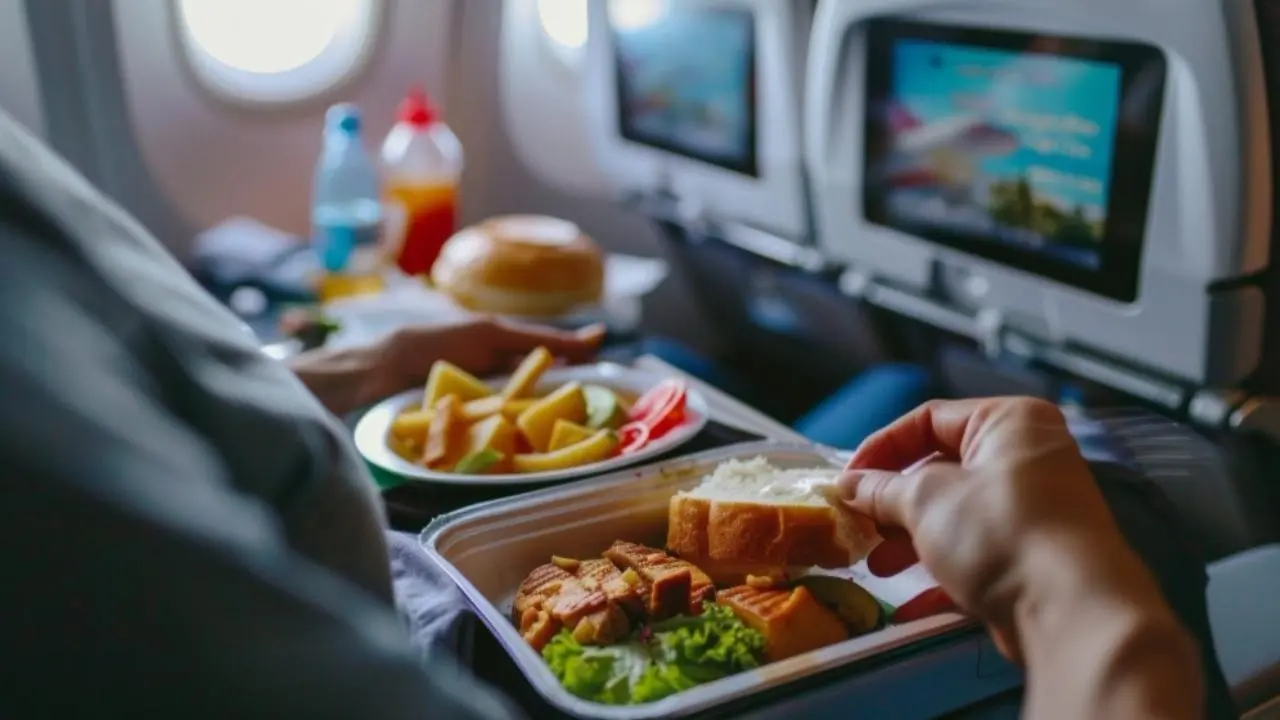
Traveling Soon? Foods to Skip on Your Flight
Flying can be thrilling, whether heading for a business meeting, a holiday, or visiting loved ones. Yet, many travelers overlook a crucial aspect: your food choices can significantly impact your in-flight experience. Foods that are perfectly fine at home can react differently when you soar above the clouds.
Inside an airplane, the lower air pressure and dry environment coupled with limited movement slow digestion and increase stomach sensitivity. Eating the wrong items can lead to bloating, gas, and discomfort, which can easily ruin a pleasant trip.
To ensure a pleasant journey, it’s essential to know which foods to avoid on a plane and the reasons behind it.
How Altitude Affects Your Food Choices
At cruising altitude, your body doesn't function like it does on the ground. The reduced oxygen levels slow down digestion, while the dry cabin air can lead to quicker dehydration. Additionally, gases produced in your stomach expand due to pressure changes.
As a result, seemingly harmless foods can cause discomfort, tightness, or pain during flights. Selecting appropriate foods can significantly improve your overall flying experience.
1. Fried and Greasy Foods
Heavy fried items such as burgers, fried potatoes, and oily snacks can be taxing on your stomach. They take longer to digest, and the lengthy duration of sitting in-flight exacerbates this delay.
Greasy meals often lead to acidity, stomach bloating, and a lingering heavy sensation.
Reasons to avoid them:
2. Carbonated Beverages
Sodas and fizzy drinks might be refreshing but are notorious for causing bloating during flights due to expanded gas in the stomach.
This can lead to discomfort and frequent burping, which can be bothersome during your flight.
Reasons to avoid them:
3. Beans and Legumes
Foods like kidney beans, chickpeas, and lentils are nutritious but can produce gas during digestion. When flying, this gas expands even more due to cabin conditions.
This can result in bloating and stomach cramps, especially over longer flights.
Reasons to avoid them:
4. Dairy Products
Items like cheese, ice cream, and cream-based dishes can be hard to digest while flying. Some might not realize their sensitivity until they experience discomfort at altitude.
Dairy can lead to nausea and bloating, especially over longer journeys.
Reasons to avoid them:
Challenge to digest in the air
Potential for nausea and bloating
Concerns for sensitive stomachs
5. Salty Snacks
Chips, salted nuts, and similar snacks are high in salt. The dry atmosphere of a plane can exacerbate dehydration when combined with salty foods.
This can lead to dry mouth, headaches, and fatigue during or post-flight.
Reasons to avoid them:
6. Alcohol
Alcohol can have a pronounced effect when flying. Even in small amounts, it can contribute to dizziness, dehydration, and fatigue.
It disrupts sleep and can aggravate jet lag, particularly on long-haul flights.
Reasons to avoid it:
7. Strong-Smelling and Spicy Foods
Dishes with potent aromas, like garlic-heavy meals or intensely spicy curries, are ill-suited for flights. In a confined aircraft, strong smells can become overwhelmingly noticeable and disturb fellow passengers.
Spicy items can also trigger acid reflux and discomfort during flights.
Reasons to avoid them:
What to Eat on a Plane Instead?
For a pleasant flying experience, consider light and easy-to-digest foods such as:
Opting for lighter meals alleviates pressure on the stomach, enabling you to feel fresh during your travels.
Why Your Food Choices Matter While Flying
Making poor food choices can turn a pleasant flight into a stressful ordeal. Symptoms like bloating, acidity, and nausea can make even the briefest of flights feel excruciatingly long.
Selecting the right foods allows you to:
Prevent stomach upset
Maintain hydration
Stay alert and relaxed
Enjoy your journey more
Careful eating habits are particularly vital for children, elderly travelers, and those with sensitive digestive systems.
Flying isn't just about reaching your destination; it’s also about traveling comfortably. Your food choices before and during a flight play an integral role in determining your in-flight comfort.
By steering clear of heavy, greasy, salty, and alcoholic foods, you safeguard your stomach and enhance your flying experience. Smart food selections can make a substantial difference when dining thousands of feet in the air.
Traveling wisely truly commences with making informed food choices.
Disclaimer
This article serves solely for informational and awareness purposes. The food recommendations provided stem from common travel experiences and general digestive comfort during flights. Individual reactions to foods may differ based on personal health, dietary habits, allergies, and sensitivities. This content is not intended to be a substitute for professional medical, dietary, or nutritional counsel. Readers should exercise their own judgment when selecting foods while traveling and are advised to consult with a qualified healthcare provider or nutrition expert if they have any existing health issues, digestive challenges, or specific dietary requirements before making food choices related to travel.