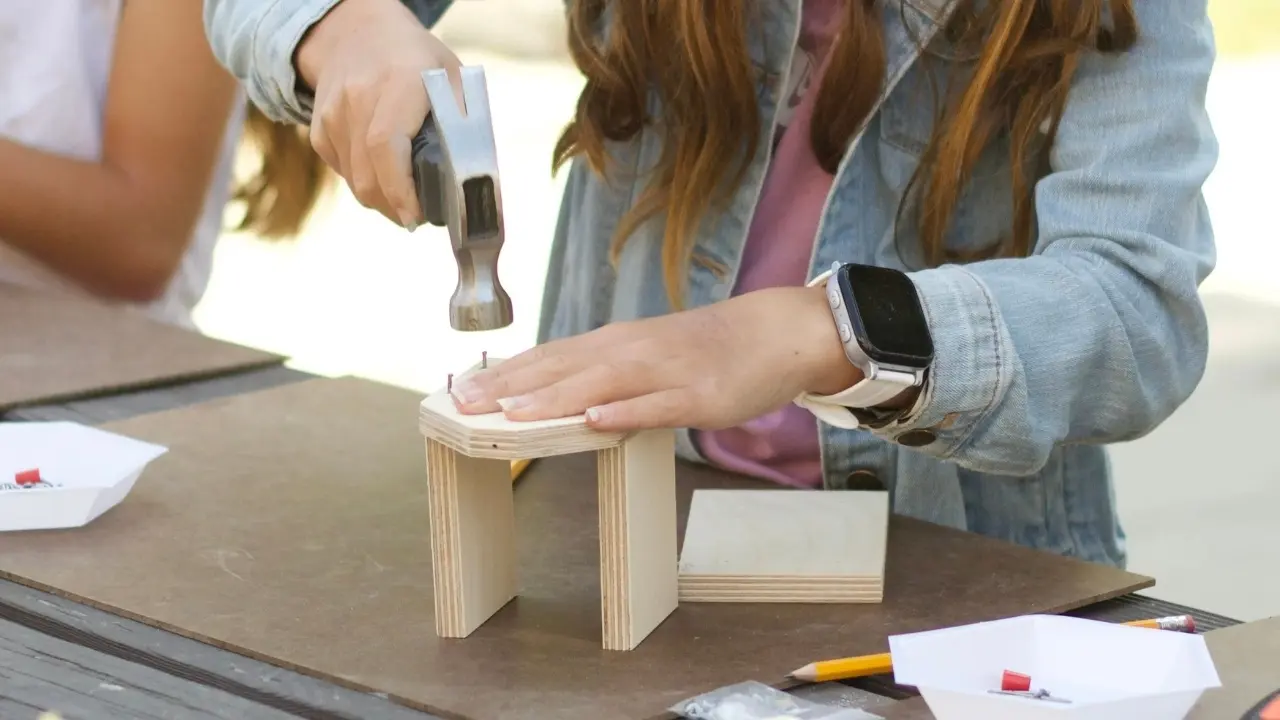
Education Is No Longer Confined to Classrooms
For centuries, education followed a familiar pattern: students attended schools, teachers delivered lessons, and institutions controlled knowledge. That model is now undergoing a fundamental shift. Across the globe, millions of learners are bypassing traditional classrooms and turning instead to self-directed, do-it-yourself education.
DIY education refers to learning that is self-initiated, flexible, and often informal. It includes online courses, video tutorials, peer learning communities, open-source materials, and independent study paths. What was once considered supplementary is increasingly becoming primary, especially for adults, professionals, and even younger students.
This shift is not driven by rebellion against schools alone. It is shaped by access to technology, changing labor markets, rising education costs, and a growing belief that learning should be continuous, personalized, and practical.
Why DIY Education Is Growing Worldwide
The rise of DIY education is rooted in structural changes rather than trends. At its core is access. With smartphones, affordable internet, and digital platforms, knowledge that once lived behind institutional walls is now globally available.
Economic factors play a major role. In many countries, the cost of formal education has risen sharply, while its guarantees have weakened. Degrees no longer ensure stable employment, pushing learners to seek skills that translate directly into work. DIY education offers lower costs, faster learning cycles, and immediate applicability.
There is also a cultural shift underway. Learners increasingly value autonomy. They want control over what they learn, when they learn, and how they apply it. Traditional education systems, often slow to adapt, struggle to match this flexibility.
The Role of the Internet in Democratizing Learning
The internet has dismantled many traditional barriers to education. Tutorials, lectures, and learning communities now cross borders instantly. A learner in a remote area can access the same resources as someone in a major city.
This democratization has empowered self-learners to design personalized education paths. Instead of following a fixed curriculum, learners can assemble knowledge from multiple sources, adapting as their goals evolve.
Importantly, DIY education also supports lifelong learning. As careers become less linear, people must reskill repeatedly. Traditional education systems, designed around early-life schooling, are poorly suited to this reality. DIY learning fills that gap.
Changing Learner Motivations and Expectations
Modern learners are outcome-driven. They want education that leads to tangible results: employability, creativity, independence, or mastery of a specific skill. DIY education aligns with these goals by focusing on application rather than credentials.
Attention spans and learning preferences have also changed. Many learners prefer modular, bite-sized content over long academic programs. They want immediate feedback and real-world relevance. DIY platforms cater to this demand, while traditional schools often lag behind.
This does not mean learners reject structure. Rather, they seek adaptive structure that supports individual pace and interests instead of rigid timelines.
How DIY Education Is Redefining Skill Development
One of the strongest forces behind DIY education is the skills economy. Employers increasingly prioritize demonstrable skills over formal qualifications. Portfolios, projects, and practical experience now carry significant weight.
DIY learners often focus on skills such as coding, design, marketing, data analysis, communication, and entrepreneurship. These skills evolve rapidly, making traditional curricula outdated quickly.
By contrast, DIY education allows learners to update skills continuously. They can pivot quickly in response to market demands, giving them a competitive edge in fast-changing industries.
The Impact on Higher Education Institutions
Universities and colleges face growing pressure as DIY education gains legitimacy. Enrollment patterns are shifting, especially among adult learners who no longer see traditional degrees as the best return on investment.
Institutions are responding in varied ways. Some are embracing hybrid models, blending online and offline learning. Others are offering micro-credentials and shorter programs. However, these changes often move slower than learner expectations.
The authority of institutions as sole knowledge providers is weakening. Their value increasingly lies in community, mentorship, research, and accreditation rather than content delivery alone.
What DIY Education Means for Primary and Secondary Schools
The impact of DIY education is not limited to adults. Younger learners are also exploring alternative education paths, including homeschooling, unschooling, and hybrid learning models.
Parents are increasingly supplementing or replacing traditional schooling with online resources, especially when schools fail to meet individual needs. DIY education allows customization for learning styles, interests, and pacing.
This trend raises important questions about equity and guidance. While DIY education offers freedom, it also requires self-discipline, support, and digital literacy. Traditional schools still play a critical role in providing structure, socialization, and foundational skills.
Challenges and Limitations of DIY Education
Despite its advantages, DIY education is not without challenges. Self-directed learning demands motivation, critical thinking, and the ability to evaluate information quality. Not all learners are equally prepared for this responsibility.
There is also the issue of credential recognition. While skills matter, many industries and professions still require formal qualifications. DIY education can complement but not always replace traditional pathways.
Access disparities persist as well. Although digital learning is widespread, reliable internet and devices are not universal. Without careful policy support, DIY education could widen existing inequalities.
The Changing Role of Teachers and Educators
As DIY education grows, the role of educators is evolving. Teachers are no longer just transmitters of information. They are becoming facilitators, mentors, and guides.
In this new landscape, educators help learners navigate information, develop critical thinking, and apply knowledge ethically. Their value lies in context, feedback, and human connection rather than content delivery.
Traditional schools that adapt to this role can remain relevant. Those that resist change risk losing engagement and trust among learners.
Assessment and Validation in a DIY World
One of the biggest challenges for traditional schools is assessment. DIY education often emphasizes learning over testing, while institutions rely heavily on standardized evaluation.
As alternative credentials gain traction, new forms of assessment are emerging. Project-based evaluation, peer review, and skill demonstrations are becoming more common.
This shift pressures schools to rethink how they measure learning outcomes. Rigid exams may no longer capture real-world competence effectively.
Cultural Shifts in the Meaning of Education
Education is no longer seen as a phase of life but as a continuous process. DIY education reinforces this view by normalizing ongoing learning at all ages.
This cultural shift changes how societies value credentials, careers, and success. Learning becomes a personal journey rather than a standardized path.
Traditional schools must align with this mindset by fostering curiosity, adaptability, and lifelong learning habits rather than focusing solely on completion.
Economic and Workforce Implications
The global workforce is being reshaped by automation, artificial intelligence, and remote work. DIY education allows individuals to respond faster than institutional systems.
Governments and employers increasingly recognize informal learning. Some are integrating DIY credentials into hiring and training frameworks, reducing dependence on traditional degrees.
This evolution places pressure on schools to align education with economic realities without sacrificing depth, ethics, and critical inquiry.
How Traditional Schools Can Adapt and Thrive
The rise of DIY education does not signal the end of traditional schools. Instead, it calls for transformation. Schools that embrace flexibility, personalization, and collaboration can coexist with DIY learning.
Partnerships between institutions and digital platforms can expand reach and relevance. Curriculum updates, experiential learning, and student-centered design can restore trust in formal education.
Most importantly, schools must listen to learners. Understanding why people turn to DIY education is the first step toward meaningful reform.
The Future of Education Is Hybrid, Not Binary
The future is not a choice between DIY education and traditional schools. It is a blended ecosystem where formal institutions, self-directed learning, and digital platforms coexist.
DIY education will continue to grow because it meets real needs. Traditional schools will remain essential for structure, equity, and community.
The challenge ahead is integration. Education systems must evolve to support autonomy while ensuring guidance, quality, and inclusion.
Disclaimer:
This article is for informational and educational purposes only. Perspectives on education systems may vary by region, policy, and cultural context.