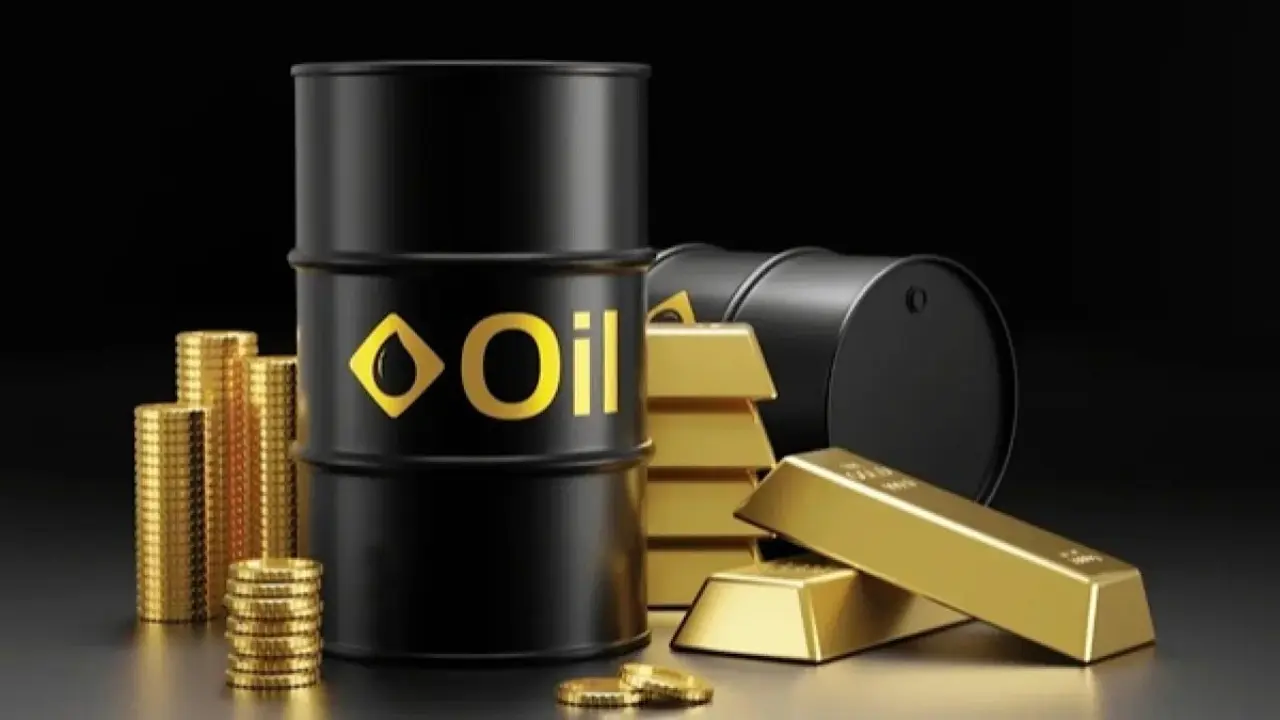
The commodity markets are facing substantial volatility, primarily driven by increasing geopolitical tensions involving the United States and Iran. Gold, a traditional safe-haven asset, has reached unprecedented price milestones, and crude oil is on the rise as anxiety grows over possible supply disruptions stemming from political unrest. Investors are now shifting their focus toward safe-haven assets while reassessing their strategies in both equity and energy markets.
The Geopolitical Landscape: Renewed Tensions Between US and Iran
In recent weeks, intensified military and diplomatic maneuvers between the United States and Iran have brought geopolitical risk back into sharp focus. Growing concerns of confrontation are affecting trading behaviors across various asset categories, especially gold and oil, which respond vigorously to political instability. For many investors, these commodities represent a safe bet amid turbulent financial conditions.
This fresh uncertainty is partly fueled by increasing military presence in critical areas like the Persian Gulf and volatile political rhetoric, contributing a significant geopolitical risk premium to commodity valuations.
The Rise of Gold: Historic Levels and Safe-Haven Demand
Gold, often seen as the ultimate refuge in unstable times, has witnessed an extraordinary uptick in value recently. Prices have surpassed previous records, creating a new wave of interest among global investors eager to escape equity market instability and currency fluctuations. Analysts note that this strong performance reflects a mix of macroeconomic pressures and geopolitical fears.
What’s Fueling the Gold Surge
• Geopolitical Risk Premium: The risk of conflict among major global powers has amplified gold's appeal as a hedge against potential shocks in financial markets and currencies.
• U.S. Dollar Weakness: A declining dollar has made gold less expensive for international buyers, bolstering its attractiveness and price growth.
• Demand for Safe-Haven Assets: Gold's traditional reputation as a reliable store of value attracts investors aiming to hedge against market instability and inflation.
• Central Bank Purchases: Increased buying by central banks in both emerging and developed markets has tightened physical gold supply and enhanced upward price pressure.
These factors combined have catapulted gold prices to unprecedented levels, marking one of the most significant surges observed in decades. Across major exchanges, gold continues its ascent, indicating strong investor appetite despite broader market volatility.
Market Insights on Gold Trends
Market experts view this rally as a narrative of fear mixed with strategic positioning. The prevailing sense of “fear of missing out” further escalates inflows into gold as it surpasses crucial psychological thresholds. While some caution against speculative trends leading to price fluctuations, the core influences—geopolitical anxieties, central bank acquisitions, and currency trends—suggest that gold's valuation will remain robust.
Crude Oil: Rising Prices Amid Supply Concerns
Crude oil prices have also been on the upswing, consistently climbing in recent trading sessions. This movement reflects not just a fleeting trend but a combination of geopolitical, supply, and macroeconomic factors that have tightened market fundamentals.
Key Drivers Behind Rising Oil Prices
• Geopolitical Supply Risks: The potential for conflict in the Middle East, notably involving Iran, has heightened fears of supply disruptions, prompting traders to incorporate a significant geopolitical risk premium in pricing.
• Drawdowns in Inventories: Unexpected reductions in U.S. crude inventories have reinforced expectations of tighter supply conditions while demand remains strong.
• Weakening Dollar and Global Demand: A softer dollar has made oil cheaper for international buyers, adding further upward pressure on prices.
Both Brent and West Texas Intermediate (WTI) futures are experiencing levels unseen for months, which mirror the market's awareness of increased risks and tighter supply fundamentals. The continuing incline indicates traders are factoring geopolitical risks into futures pricing more than usual.
Strategic Considerations and Supply Dynamics
Beyond geopolitical dynamics, underlying supply conditions are also stirring market psychology. OPEC+ production strategies, fluctuations in production from key oil-exporting nations, and broader energy consumption projections are all contributing to oil price volatility. Particularly, coordination among leading producers on output levels is easing potential supply strain and reinforcing bullish market sentiments.
This complex scenario highlights how geopolitical conditions amplify core supply-demand dynamics, leading to heightened pricing in the global oil marketplace.
Effects on Other Markets: Equities, Currencies, and Risk Appetite
The upswing in commodities has cascaded impacts across wider financial markets, significantly beyond energy and metals. Traditionally, rising gold and oil prices amid geopolitical conflicts indicate a reassessment of investor risk preferences as they navigate increased uncertainty.
Equities and Changes in Risk Sentiment
• Shift to Risk-Off Strategies: In light of increasing gold and oil prices amid conflict fears, there’s often a marked decline in demand for more volatile equities, with investors favoring safer assets.
• Equity Index Volatility: Global stock indices are witnessing fluctuations, with commodity market tightening urging investors to contemplate how persistent geopolitical uncertainties could impact earnings and consumer behavior.
Currency Movements and Investment Flows
• Fluctuating Dollar Dynamics: A weakening U.S. dollar, driven in part by economic policy speculation and geopolitical anxiety, makes dollar-denominated commodities increasingly appealing, reinforcing price rallies.
• Investment Shifts to Emerging Markets: As investors seek stability amid volatility in equity and bond markets, there's a noticeable rotation towards commodity-based assets and currencies that offer a safeguard against inflation or instability.
Historical Context: Commodities Amid Geopolitical Crises
The ongoing surges in both gold and oil are reminiscent of past geopolitical crises which significantly reconfigured commodity markets. History indicates that geopolitical instability—especially in energy-rich regions—can catalyze lasting price shifts. Historical events revealing political turmoil in leading oil-producing nations have previously ignited market upheaval and inflationary tendencies.
Each situation is unique, yet the impact of geopolitical instability on commodity markets remains a consistent theme. Early anticipatory pricing actions often lead to rallies in expectation of actual disruptions.
Future Projections: What Analysts Are Watching
Both investors and analysts are keeping a close eye on several pivotal factors that may define the forthcoming landscape of commodity dynamics:
• Geopolitical Developments: Changes in tensions in the Middle East will continue to significantly influence commodity pricing and overall market mood.
• Monetary Policy Indicators: Decisions made by central banks—particularly those relating to U.S. interest rates and currency value—will affect investor sentiment toward safe havens and risk assets.
• Supply Situations: Variabilities in OPEC+ output strategies, unforeseen outages, and inventory trends will all play a role in shaping the market price trajectory.
• Correlation with Equity Markets: Ongoing rotations between risk and safety assets will demonstrate how commodity fluctuations impact broader financial market dynamics.
In Summary
The dual rise in gold to record highs alongside increasing oil prices highlights the significant impact of geopolitical uncertainty, particularly the escalating tensions between the United States and Iran, on global financial markets. As market players focus more on risk mitigation, gold's soaring value and the geopolitical premium built into oil prices are evident. These developments point to the profound influence that geopolitical risk has on the trajectory of commodities, as well as equities and currencies.
Disclaimer: This information is strictly for educational purposes and does not equate to financial or investment advice. Always perform your own research and consult a qualified financial advisor before making any investment decisions.