Ukraine and Russia have resumed diplomatic discussions amid ongoing hostilities and a fresh wave of Russian aerial attacks — including drone strikes — that have targeted both military and civilian infrastructure, officials said. The talks, described as tentative and cautious by international observers, follow months of intensified conflict and reaffirm efforts by both sides to explore potential pathways to cease hostilities or reduce escalation.
Ukrainian officials said they entered the negotiations with a focus on preventing further loss of life and addressing Russia’s use of unmanned aerial vehicles in sustained bombardments. Recent weeks have seen a notable increase in drone strikes across Ukrainian cities and regions, causing significant damage and prompting concerns among civilian populations about escalating violence. President Volodymyr Zelenskyy has repeatedly condemned the attacks, calling for stronger international support to counter Russia’s asymmetric aerial campaign.
Moscow’s delegation, meanwhile, has framed the discussions as an opportunity to clarify security concerns, though Russian officials have reiterated longstanding positions on territorial and strategic issues that have long stymied peace initiatives. Analysts have noted that while both sides have reasons to negotiate — including international pressure and battlefield fatigue — fundamental disagreements remain over the conflict’s root causes and ultimate political outcomes.
International intermediaries, including representatives from the United Nations and European partners, have been involved in facilitating the talks, emphasising the need for de-escalation and compliance with international humanitarian law. Diplomatic sources say the discussions have covered possible ceasefire mechanisms, prisoner exchanges and humanitarian corridors, though concrete commitments have yet to be announced.
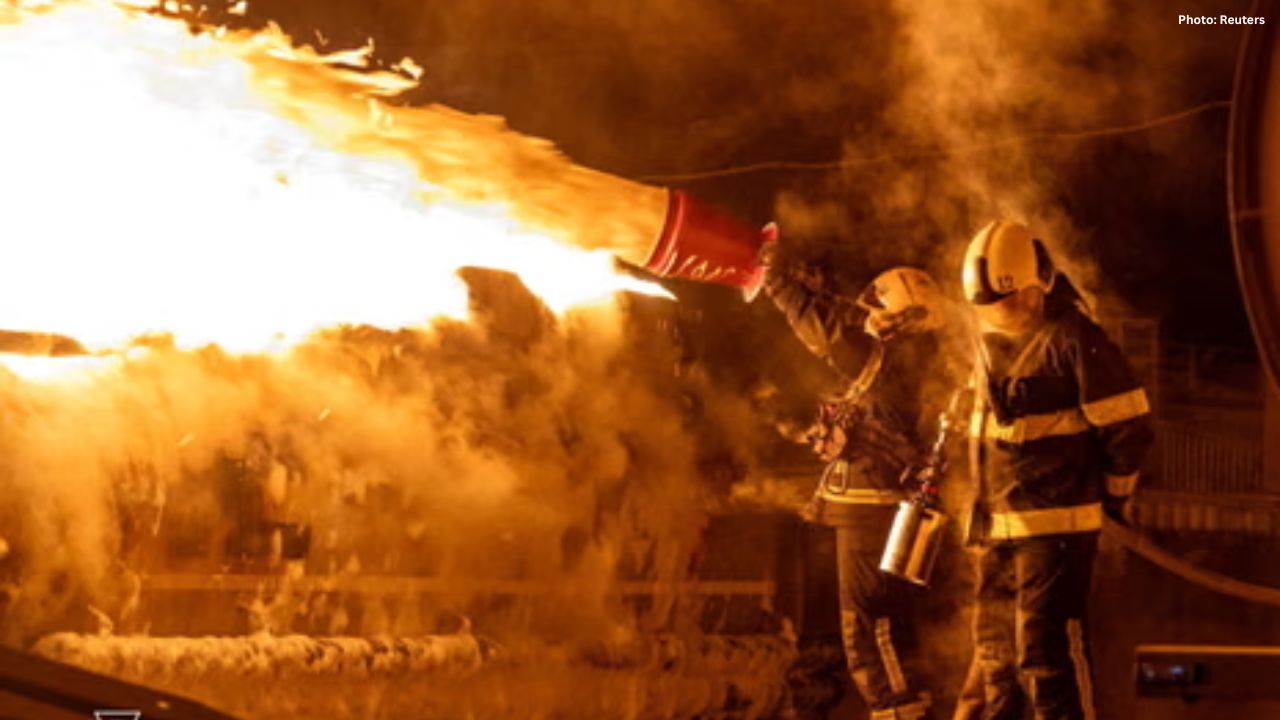
Meanwhile, Ukraine continues to defend against frequent Russian drone and missile strikes. Civil defense alerts remain common in major cities, where air-raid sirens signal incoming threats and residents seek shelter. Infrastructure damage has disrupted power, water and transportation systems in some areas, complicating relief efforts and heightening civilian vulnerability.
Russia’s drone strategy — combining low-cost, remotely piloted aircraft with long-range capabilities — has been a persistent feature of the conflict, forcing Ukraine to invest heavily in air-defense systems and civil protection measures. Western allies have supplied Kyiv with advanced radar and interception technology, but Ukraine’s defence forces say the sheer volume of strikes continues to strain resources and heighten urgency for diplomatic solutions.
Humanitarian organisations have called for expanded access to aid delivery, warning that continued conflict and attacks on populated areas exacerbate civilian suffering. Negotiators in both capitals face domestic political pressures: Ukrainian leaders juggled expectations for territorial integrity and security guarantees, while Russia’s government must manage internal narratives about national defence and strategic gains.
Despite repeated rounds of talks and occasional breakthroughs on specific issues, observers caution that lasting peace remains elusive. Previous negotiations have faltered when confronted by divergent aims and battlefield realities, and while the latest round reflects a desire to engage, many analysts believe that only sustained diplomatic momentum and meaningful concessions from both sides could move the conflict toward a more durable resolution.