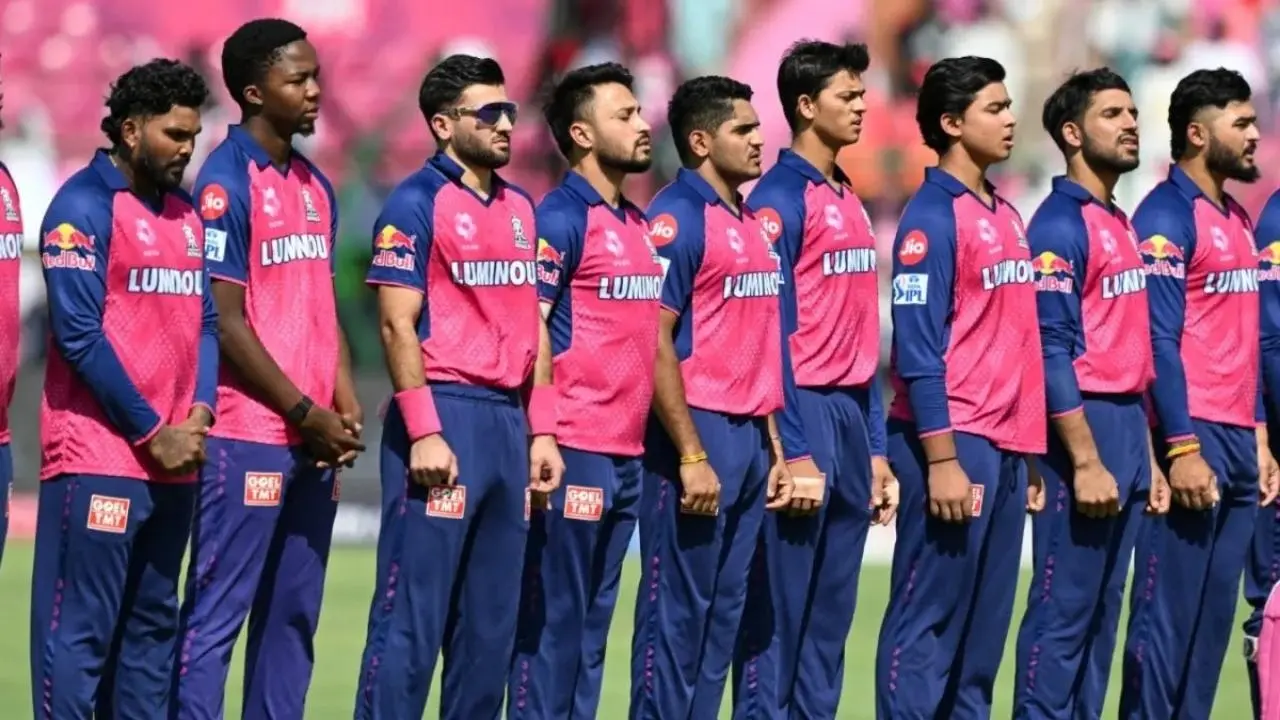
A Franchise at a Pivotal Junction
The Rajasthan Royals (RR), a foundational team in India’s elite T20 league, may be on the verge of new ownership. What initially started as speculation among cricket enthusiasts is now gaining traction following comments from a notable industrial figure. If this sale goes through, it could represent one of the most significant off-field alterations in IPL history—reshaping not just RR’s future, but potentially transforming the entire Indian Premier League (IPL).
RR’s saga has been anything but dull: from the underdog victory in 2008 to navigating controversies and rebuilding efforts while maintaining a dedicated fan base. Despite various challenges, the franchise has preserved its worth—not just in terms of popularity and recognition but as a cricketing legacy with notable infrastructure and substantial potential.
With emerging reports suggesting the team could be “available for purchase,” key stakeholders—including players, supporters, and investors—are keeping a vigilant watch. This piece delves into the reasons behind the potential sale, the circumstances leading up to this juncture, possible changes ahead, and what this could mean for fans and the broader cricket context.
Emerging Signals: What’s Behind the Sale Speculation
Insights from a Business Leader
A prominent indication came from Harsh Goenka, a well-known figure in the Indian business landscape, who hinted via a post on X (previously Twitter) that not only RR but also Royal Challengers Bengaluru (RCB) may be on the market. He further mentioned there are “4–5 prospective buyers” expressing interest, possibly from major Indian cities like Pune, Mumbai, Ahmedabad, and Bengaluru, or even international buyers.
Such public comments have heightened speculation and sparked intense media and fan discussion.
Wider Franchise Transformations in the IPL 2025–26 Cycle
The larger backdrop is crucial here. As per official announcements, RCB—the reigning IPL champions from 2025—is also in the process of being sold. With franchise valuations skyrocketing recently, it’s evident that some owners may be capitalizing on this opportunity before market values fluctuate. Experts believe 2025–26 could be a pivotal moment for many such transitions.
Challenges On and Off the Field for RR
The recent performance of RR hasn’t bolstered confidence. Following their early success in 2008, the team has struggled to maintain consistency. Their performance dwindled in recent seasons, including 2024 and 2025, leading to criticisms of their batting order and overall team cohesion.
Moreover, internal turbulence is reported as the franchise considers changing its home ground, moving away from Jaipur to potentially Pune—adding weight to a broader approach that might encompass procurement and relocation.
Ownership Structure and the Implications
To grasp the significance of a potential sale, it’s essential to examine RR’s current ownership and the stakes involved.
-
The principal stake in RR is held by Royals Sports Group (Emerging Media Sporting Holdings Limited), which owns about 65%. Other minority stakeholders include notable names like RedBird Capital Partners and media tycoon Lachlan Murdoch.
-
Historically, RR has faced its share of scrutiny, including a betting scandal that led to a two-year suspension. Ownership transitioned during that period, but the past still casts a shadow, making ownership credibility paramount.
-
For prospective buyers, acquiring RR signifies access to a loyal fan base, lucrative media rights, brand equity, potential new stadium rights, and a spot in one of the globe’s richest T20 leagues. For many investors—domestic and international—this is incredibly appealing.
Thus, the sale of RR could extend beyond mere business; it could redefine its identity, community ties, team culture, and even the locations of home matches.
New Owner Strategies: What Lies Ahead
If RR indeed transitions to new ownership, what strategies might emerge, and what could fans and stakeholders anticipate?
Restructuring Team Dynamics
RR’s recent struggles have created a demand for restructuring. Following key player trades—such as the recent departure of veteran Sanju Samson—a new owner might choose to overhaul the roster, focusing on youth development and long-term strategies.
This could involve investing in scouting, cultivating talent, and rejuvenating team culture—effectively granting RR a renewed identity under new guidance.
Potential Relocation: A Fresh Start
As RR looks to shift its home base out of Jaipur, potentially to Pune, the new ownership could initiate a strategy aligning with this move. This shift might influence fan engagement and local investment dynamics.
However, it may also risk alienating loyal supporters who hold a deep attachment to their historical home.
Branding, Commercial Potential, and Global Reach
With the IPL’s expanding global presence, a new owner with ambitious visions could amplify RR’s branding, sponsorships, and international outreach. This development could help the team connect with a wider fan base and leverage newfound commercial opportunities.
Fostering Stability and Competitive Edge
New ownership could prioritize operational and financial stability. This might lead to more advantageous contracts and improved training programs, ultimately fostering a predictable environment for players and staff alike.
Impact on Fans, Players, and Cricket Ecosystem
The sale of a significant franchise like RR transcends mere business—it influences players, fans, the league, and upcoming tournaments.
Fans—Emotional Ties and Future Concerns
For devoted fans, particularly those in Rajasthan and Jaipur, the potential sale could evoke mixed feelings. A new chapter could inspire hope for improved team performance, yet relocation or rebranding might seem like a loss of heritage. The rich history and community pride tied to the franchise are undoubtedly at stake.
For newer supporters or those in potential new home cities, however, this transition could provide exciting opportunities for fresh engagement—provided the new leadership actively develops fan connections and accessibility.
Players—New Opportunities or Uncertainty?
Current players may find themselves in a state of limbo during the transition. The new owners might assess contracts and re-evaluate team strategy, leading to uncertain futures for many. While a reconstruction might yield new opportunities for emerging talent, seasoned players could face risks of trades or releases. In the long run, stability under a new regime could be beneficial, but the immediate shift may induce disruptions.
Shifts in League Dynamics—Impact on Auctions and Competitiveness
The sale could alter competitive dynamics across the IPL. Fresh financial influx might elevate bidding wars in future auctions, attract new sponsors, and change how franchises strategize and operate financially. A successful transition could even motivate other team owners to explore similar paths, reshaping ownership trends in the league.
Challenges Ahead—Potential Risks
Despite increasing chatter around a sale, significant hurdles and uncertainties exist:
-
No Official Buy Confirmation: As of now, there is no public acknowledgment of any impending sale from the franchise, keeping ownership change in the realm of speculation.
-
Scrutiny and Regulatory Oversight: Given past controversies surrounding RR, any prospective buyers may need to navigate stringent regulatory evaluations, complicating the potential sale.
-
Risk of Alienating Fans: A potential move to a new city or change in management could risk losing devoted fan loyalty if not handled with care.
-
Market Viability vs. Overvaluation: While valuations may seem lofty, sustained profitability hinges on careful management, consistent performance, and fan engagement. Overpayment by new owners might lead to instability.
Conclusion: A Turning Point for Rajasthan Royals and IPL
The prospective sale of the Rajasthan Royals ahead of IPL 2026 is not just a news piece; it signifies a pivotal moment that could reshape the franchise's identity, fan engagement, player journeys, and the cricket business landscape. While new ownership might herald a fresh start filled with promise, it could also risk creating identity dilemmas and disconnections if mishandled.
Currently, the only assured aspect is ambiguity. As the 2026 auction draws nearer, the spotlight now rests on RR’s management, existing stakeholders, and prospective buyers—alongside the most critical element: the fans. Ultimately, franchises thrive beyond financials; they flourish on belief and community spirit.
Disclaimer:
This article is grounded in publicly accessible reports and media statements. The sale of Rajasthan Royals has not been validated publicly, and the discussion reflects informed analysis rather than proprietary information.