Shocking act of arson hits community playground
Late one night in Prince Albert, an act of vandalism destroyed a beloved playground beloved by neighborhood children. Flames engulfed slides, swings, and climbing structures—melting plastic, scorching wood, and sending plumes of acrid smoke into the air. What began as a typical evening ended with firefighters battling the blaze at this central public gathering spot. Now, police are investigating, looking for suspects, and residents are left stunned and unsettled by this destructive, dangerous act.
Police response and investigation underway
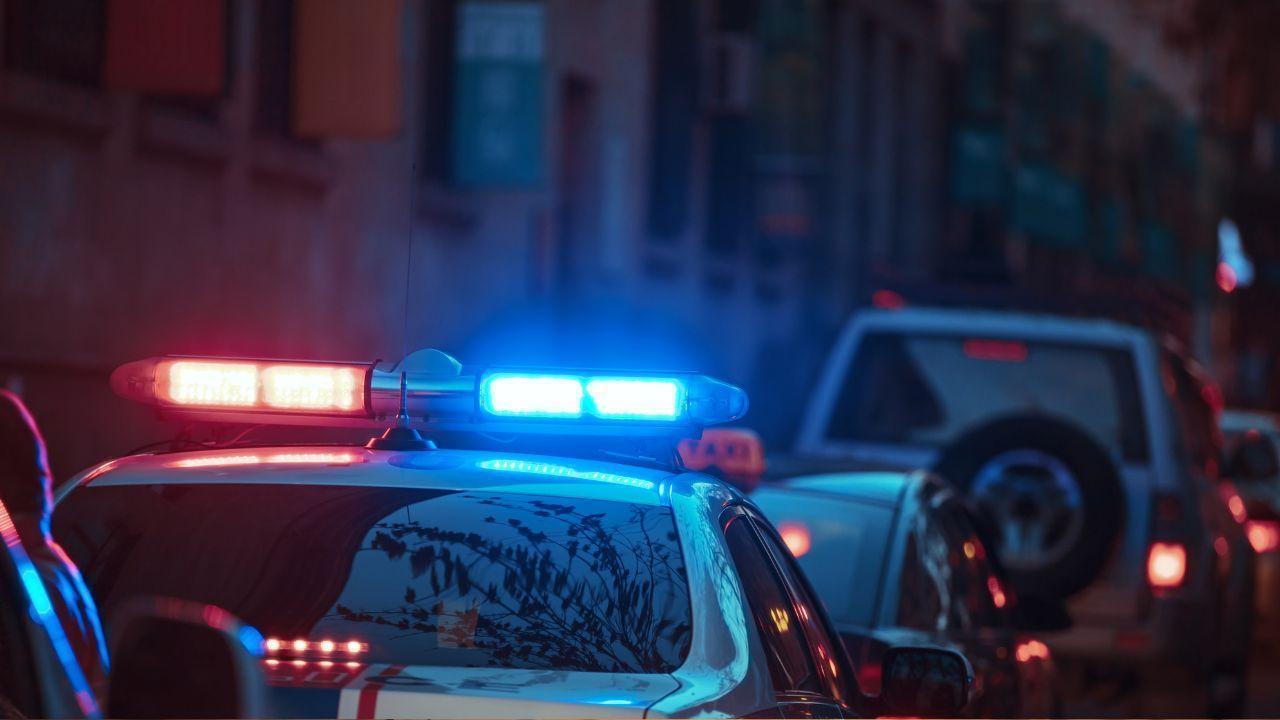
Prince Albert police arrived swiftly, responding to emergency calls around 11:45 p.m. Crews found the play area engulfed in fire. The blaze spread quickly through the playground’s more flammable parts, damaging benches, recreational equipment, rubber surfacing, and nearby shrubs. Officers cordoned off the site, gathered witness statements, and established a perimeter to preserve evidence. Detectives specializing in arson cases and fire investigators have been called in to analyze fire patterns, accelerants, and surveillance footage from nearby homes and traffic cameras.
Community shock and uncertainty
Families who routinely used the playground—the centerpiece of neighborhood gatherings—woke to scenes of scorched equipment and char marks. Many report feeling violation and loss. One mother said she “never imagined such a safe place could be so deliberately targeted.” Children returning to school described seeing caution tape and police presence as surreal and unsettling. The playground isn’t just a collection of swings; it’s where children built friendships, where caregivers met for conversation, and community bonds were strengthened. That sense of security has been deeply shaken.
Arson raises questions about motivation
Police have classified the incident as “suspicious” pending determination of intentional ignition. Investigators are exploring possible motives, including thrill-seeking mischief, targeted hate, or a bid for attention. While arson in public spaces is rare here, national trends show that vandalism, if left unchecked, can escalate. Community leaders are urging calm but also emphasizing the seriousness: setting fire to children’s playground is more than property damage—it’s endangering lives.
Fire safety and emergency procedures reviewed
The fire highlight gaps in preventive planning. While no injuries were reported, the potential for harm was significant, especially if children or bystanders had been present. Fire officials are now reviewing evacuation procedures, community notification protocols, and early detection systems. Could a simple sensor have caught the blaze before it spread? These are now open questions being addressed to reduce risk in other vulnerable areas.
Detective work: canvassing and clues
Officers are canvassing the area for key evidence: possible footprints, gasoline cans, ignition sources, or accelerative patterns on equipment. Security cameras along the street, homes, and nearby businesses may have captured suspicious activity. Investigators are urging anyone with dashcam footage, nighttime sightings, or unusual sounds to come forward. A public communications campaign—including posters, social media, and local media alerts—is underway to gather tips and provide reward information.
Community rallies in the aftermath
Even amid shock, residents have rallied. Neighbours are organizing clean-up crews to clear charred debris once investigators finish. A local nonprofit has offered to fund a temporary play structure. Civic leaders are meeting to plan reconstruction. Social media pages have lit up with offers of paint, volunteers, and playground parts. This solidarity shows the depth of community investment in public spaces—and their willingness to stand up against those who would destroy them.
Restoring trust in public safety
Police presence will increase near parks and schools in coming weeks. Local authorities are exploring solutions: more frequent patrols, neighborhood watch programs, and even volunteer “park guardians.” Installing lighting, surveillance cameras, and tamper-proof fixtures are being proposed to deter future vandalism. City council is considering infrastructure grants to repair and protect playgrounds across Prince Albert and surrounding municipalities.
Mental health supports for children
While material damage can be repaired, emotional scars linger. Seeing something as safe as a playground go up in flames can unsettle children. School counsellors are offering support sessions for students who worry about safety. Caregivers are encouraged to discuss fears, validate emotions, and involve their children in rebuilding efforts—turning trauma into empowerment through collective action.
Long-term planning: resilient community spaces
City officials are reviewing recreational facility planning through an equity and safety lens. How can play areas be built to withstand vandalism, fire, and misuse? Should designs include fire-resistant materials and easier pathways for emergency access? Public safety experts are working with parks departments to draft preventive designs, safer material specifications, and site placement strategies that discourage criminal use.
Lessons in civic cooperation
Beyond the immediate tragedy, residents see this as a learning opportunity. Community leaders are organizing public forums and workshops on shared ownership of public spaces. Discussions will address balancing openness with safety enhancements. Ideas include planting shrubs to screen playgrounds from main roads, creating community art installations to enhance visibility, and organizing school-led programs to monitor playground health.
Social equity and public space safety
The burnt playground stands in an area with diverse, multi-generational households, including newcomers and Indigenous families. Safe, well-maintained public spaces are crucial for equitable child development. The fire disrupted a gathering ground where cultural festivals, informal meetups, and cross-community events took place. Restoring and safeguarding this space becomes a racial and social justice issue—every resident deserves safety.
Accountability and restorative approaches
Police encourage restorative justice approaches if suspects come forward. Rather than pursuing only punitive legal measures, the community supports opportunities for offenders to participate in restorative repair: helping rebuild, apologizing publicly, and committing to volunteer service. This approach aims to transform a destructive act into a lesson in community responsibility and repair.
Municipal budget implications
Rebuilding the playground will incur significant costs: demolition, repair materials, installation of new equipment, safety inspection fees, and cleanup. Municipal leaders are reviewing insurance coverage, reserves, and emergency fund deployment. Civic grants and philanthropic dollars are being considered. City council may launch a fundraising campaign, inviting businesses to sponsor rebuild efforts—while ensuring the site’s reconstruction supports long-term resilience.
Awareness drives for all communities
The fire serves as a wake-up call for other municipalities. Civic staff are proactively reviewing the vulnerability of their own playgrounds. Neighboring towns are contacting Prince Albert’s recreation department to learn about their security audit processes. The provincial parks association is sharing best practices, from fire-resistant materials to emergency planning playbooks for parks and schools.
Media and information transparency
Police and the city are committed to transparency: sharing monthly updates on arson investigations, reconstruction schedules, and public meeting plans. A dedicated webpage and email newsletter have been set up to track progress. Parents, caregivers, teachers, and students will be kept informed, ensuring everyone feels involved in the recovery and prevention plan.
Building resilience through education
Educational materials on fire safety and emergency response are being distributed to schools. Teachers are integrating lessons about property damage, community safety, and civic responsibility into their curriculums. Drawing contests, writing assignments, and group discussions allow children to express their feelings and their hopes for the playground’s regeneration.
Historical perspective: playgrounds under threat
Though rare, cases of playground arson are recorded across North America. Historical research indicates these acts often stem from teenage thrill-seeking or underlying mental health issues. Many communities have rebounded through organized collective action. In some cases, youth engagement programs—peer mediation, creative arts projects, or park stewardship programs—reduced recurrence. Prince Albert is now studying these examples to design effective local strategies.
Psychological impact on parents and caregivers
Caregivers too feel shaken. Park designers recommend supporting adults through community discussions and counselling options. Focus groups reveal many parents now drive their children to alternate, well-lit spaces, disrupting daily routines. Sustained support through facilitated dialogues helps build trust that public spaces can—and will—be restored to safe use.
Towards a safer, stronger community
The charred remains of the playground should not stand for long. Within the rubble, seeds of renewal have already begun to sprout. Through a coordinated plan—law enforcement diligence, structural repair, mental health support, civic funding, and preventive design—Prince Albert has the chance to set a national example: how a harmed public space can catalyze the most powerful resource of all: a united community.