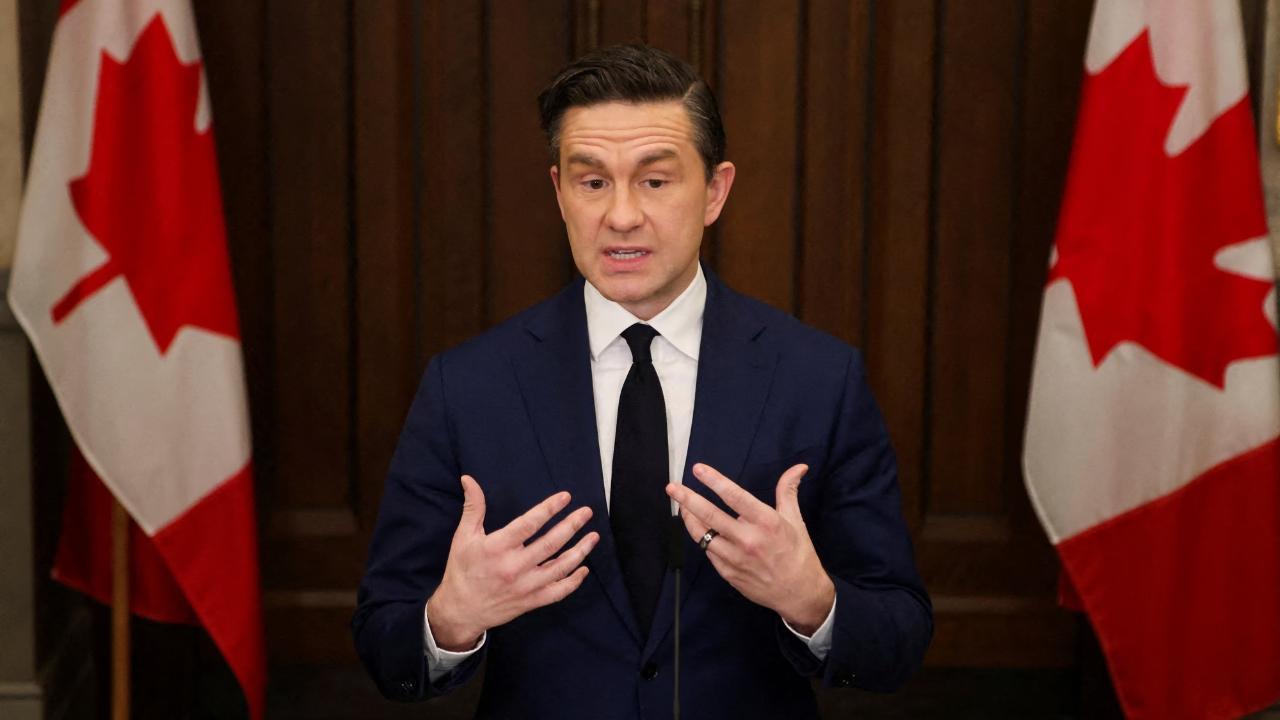
Photo : Reuters
Canada Faces Record Ballot Tactic: Over 150 Candidates in Byelection—Poilievre Demands Reform
Canada’s democratic process is at a crossroads as the upcoming byelection in the Alberta riding of Battle River–Crowfoot has been overwhelmed by an unprecedented number of candidates. As of July 22, over 150 names were registered—far exceeding previous records—with nominations still open until July 28. This surge comes courtesy of the Longest Ballot Committee, a coordinated protest movement that floods ballots with independent candidate registrations to spotlight flaws in Canada’s first‑past‑the‑post voting system. Conservative Leader Pierre Poilievre has responded with force, calling this tactic a “ballot scam” and urging Parliament to introduce legislation to prevent such disruption in the future.
What Has Happened
More than 150 individuals, many running as independents with joke or confusing names, have successfully filed nomination papers in Battle River–Crowfoot. The Longest Ballot Committee, behind this mobilization, aims to draw attention to the limits of Canada’s voting system and to emphasize that the power to set election rules should rest with citizens, not politicians. This event follows similar actions during earlier federal elections in other ridings, where high candidate volumes created extremely long ballots and media scrutiny.
Poilievre’s Concerns
Pierre Poilievre, who previously represented a nearby federal riding, has been vocal in condemning this mass entry tactic. He asserts it’s an abuse of the democratic system, confusing voters and delaying election results. With polling booths stretched by towering stacks of ballots and manual counting extended by hours, Poilievre argues the integrity of the voting process is at risk. He claims it not only disrupts electoral operations but undermines trust in democratic institutions.
Proposed Legislative Reforms
Poilievre has proposed a package of reforms to prevent such large-scale ballot padding:
- Raise the minimum number of required nomination signatures from 100 to 0.5% of the riding’s population—requiring thousands of names rather than a mere few dozen.
- Enforce exclusivity, so each signature can support only one candidate.
- Ban campaign agents from managing multiple nominee filings, a tactic used by the Longest Ballot Committee to streamline mass registrations.
These changes aim to deter frivolous candidate entries and preserve ballot clarity without restricting legitimate candidacies.
Longest Ballot Committee’s Position
The Committee argues that systemic reform is needed because politicians have too much influence over election rules, and there is a serious conflict of interest when lawmakers set restrictions on themselves. They view the flooded ballot as an act of civil protest designed to draw public attention to the need for electoral reform—particularly advocating for citizen-led processes such as citizens’ assemblies to decide on voting systems. They maintain their tactics are a legitimate form of political expression.
Impacts on the Voting Experience
Polling stations have faced logistical challenges due to the long candidate list. In previous incidents where ballots extended over a meter, advance polls began counting early. Election officials had to train staff to fold and handle unwieldy ballots, extending processing times well past midnight. With over 150 names, Battle River–Crowfoot authorities expect delays in mail-out ballots and tabulation, adding stress for voters and election administrators.
Elections Canada’s Preparations
Elections Canada acknowledged the exceptional circumstances and stated it was taking steps to ensure voting integrity and accessibility. Contingency plans include procedures for handling long ballots, educating polling staff, and enhancing signage and information for voters. But the agency emphasized it cannot reject any valid nomination papers—not even those submitted as a protest tactic.
Parliament’s Potential Role
The Liberal government has indicated it is reviewing legislative options ahead of September’s return to Parliament. House leaders are expected to present proposals narrowing nomination criteria to prevent similar protests. Poilievre has urged immediate debate and passage of reforms to settle the issue before a larger federal election cycle begins, warning that further delays will embolden such strategies.
Broader Democracy Debate
This situation raises critical questions about democracy itself:
- Should candidate registration be made more difficult to preserve the election process—or do voting rights outweigh procedural inconvenience?
- When, if ever, is strategic disruption a legitimate vehicle for political reform?
- Does first‑past‑the‑post represent outdated values, and should Ballot Committee’s tactics prompt deeper change?
These discussions go beyond one riding, challenging how Canadians define democratic fairness and the avenues for dissent.
Similar Incidents and Precedents
Canada has seen ballot-flooding in previous elections. Notably, one riding in 2024 featured 91 candidates registered deliberately by activists, sending ballots over a meter long. Counting delays, voter frustration, and record-breaking nomination pages made national headlines. Other jurisdictions, like certain US states, already tie nomination fees or signature thresholds to population, limiting frivolous candidacies while preserving electoral choice.
Logistical Impacts on Elections
Long ballots complicate more than just voting—the physical act of storing, marking, and counting ballots is lengthened, increasing human error and fatigue. Election supplies—from ink pads to display cabinets—must accommodate larger voter lists. Training for poll workers becomes more complex, while communication materials for voters require reformatting to avoid overwhelm.
Legal Perspectives
Canada’s electoral laws currently allow any eligible citizen to run by meeting minimal requirements. Poilievre’s proposals would tighten this framework legally, balancing the universal right to run with protections against abuse. Critics warn, however, that overly strict rules could block genuine grassroots candidates. Legal scholars have noted that reforms must carefully respect constitutional rights while preserving democracy’s functional integrity.
Voter Response
Some voters see the Longest Ballot Committee’s protest as creative activism, drawing attention to real problems in Canada’s electoral system. Others mock the tactic, calling it frivolous and disruptive to democratic norms. Surveys show growing distrust in first‑past‑the‑post and declining public confidence in political institutions, giving momentum to reform movements.
Future Election Risks
If left unaddressed, ballot-flooding could spread. Activist groups could apply the tactic selectively to shape ballot composition or highlight biases. The threat of similar campaigns in larger ridings during national elections poses serious challenges. Poilievre warns that unless Parliament acts, voters may face not one—but dozens —of overwhelming ballots that erode trust.
Balance of Rights and Efficiency
The core issue remains: how to uphold open democracy while ensuring elections remain meaningful. Rights to candidacy and campaigning must coexist with orderly, transparent voting processes. Striking this balance will require careful legislative drafting, public consultation, and perhaps, broader voting reform.
Next Steps
- Parliament may debate and vote on nomination thresholds and agent rules in the fall session.
- Elections Canada will likely issue enhanced guidelines and training prior to byelections.
- Public consultations or parliamentary committees may explore electoral reform options beyond nomination rules, including alternative voting systems.
- The Longest Ballot Committee and other groups may shift tactics or escalate if reforms are not implemented swiftly
The record-breaking ballot in Battle River–Crowfoot isn’t just a protest—it’s a flashpoint in Canada’s democratic dialogue. With over 150 candidates triggering legal, logistical, and political pressure, lawmakers face a clear choice: tighten nomination protocols to defend electoral efficiency or risk ongoing disruption. As Poilievre urges swift legislative action, Canada now confronts an urgent question: should democracy be shaped by procedural clarity—or protest?