Photo:AP
An Outbreak That Demands Urgent Action
Ontario has recently witnessed a concerning surge in canine parvovirus cases, particularly impacting young, unvaccinated dogs. The outbreak, which emerged in several neighborhoods including areas in London and Southgate, has prompted veterinarians and animal health officials to issue urgent warnings to dog owners across the province. This deadly virus is highly contagious, particularly resilient in the environment, and can lead to severe health complications or even death if left untreated. In response, communities, clinics, and advocacy groups are mobilizing to provide vaccines and increase awareness.
This detailed article offers a full breakdown of what parvovirus is, how it spreads, what symptoms to look for, and—most importantly—how to protect your dog through prevention, early detection, and prompt medical care.
Understanding Parvovirus: A Deadly Foe for Dogs
Parvovirus (CPV) is a highly infectious virus that primarily targets the gastrointestinal tract and immune systems of dogs. The virus is especially dangerous for puppies under six months of age, but adult dogs without adequate vaccination are also vulnerable.
The virus spreads mainly through direct or indirect contact with contaminated feces. However, the virus is also incredibly persistent in the environment. It can live on surfaces like concrete, soil, clothing, dog bowls, and even human hands for months, making containment extremely difficult once an outbreak begins.
There are two primary forms of the virus:
-
Intestinal Parvo: The more common form, causing vomiting, diarrhea (often bloody), rapid weight loss, and lethargy.
-
Cardiac Parvo: Less common and usually affects puppies, leading to myocarditis and sudden death.
The rapid onset and aggressive progression make early detection and immediate medical intervention critical for survival.
How the Ontario Outbreak Unfolded
The recent outbreak has primarily affected areas in and around London, Ontario, as well as smaller communities like Southgate Township. Reports indicate that veterinary clinics in these areas have experienced a noticeable uptick in cases, especially in neighborhoods with limited access to veterinary care or lower vaccination rates.
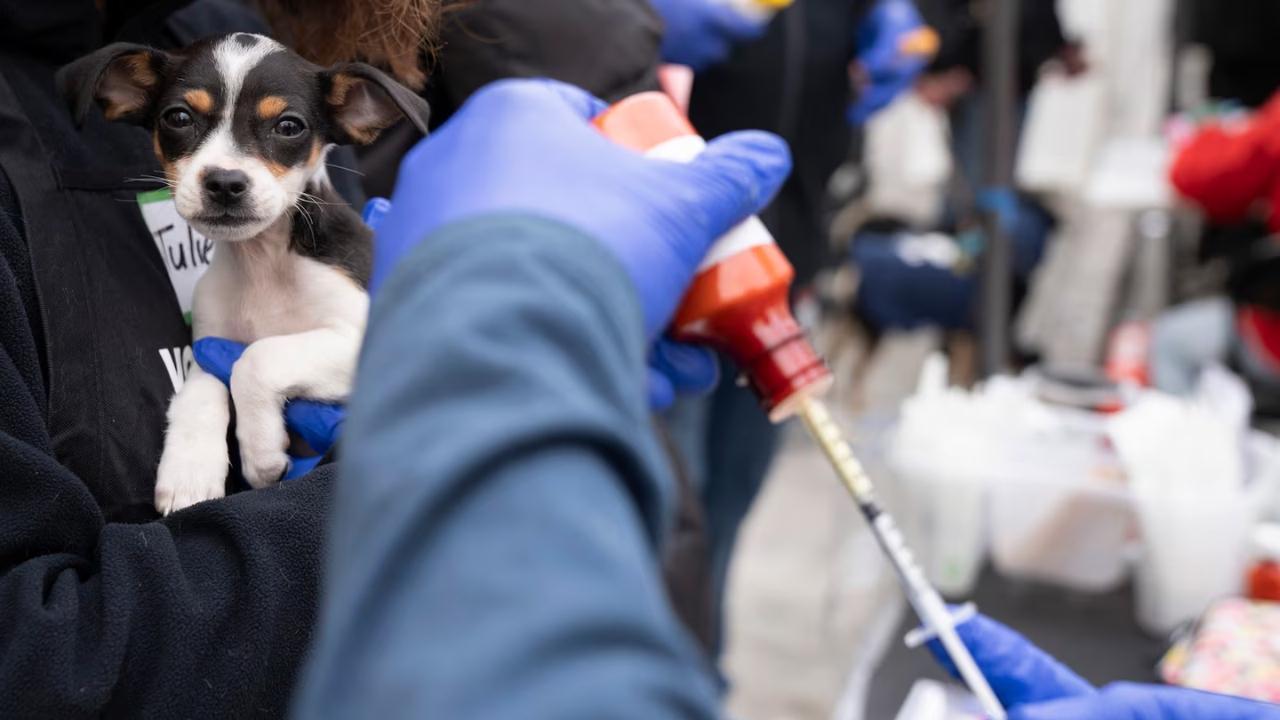
In one instance, a housing complex in London saw several dogs fall ill within days, prompting local veterinarians to deploy mobile vaccination clinics to the area. The goal was to quickly test and vaccinate as many animals as possible to curb the spread of the virus.
In Southgate, the township issued an official warning to residents after local clinics began reporting parvovirus cases. Authorities reminded residents to ensure that their pets were up to date on vaccinations and to avoid taking them to high-traffic dog areas such as parks, trails, or boarding facilities unless absolutely necessary.
These localized outbreaks, though seemingly isolated, represent a broader risk for the province due to the virus's resilience and the interconnectedness of pet communities.
Why Parvo Is So Dangerous
One of the reasons why parvovirus is so lethal is its speed. A dog can go from appearing healthy to being critically ill in a matter of hours. Once symptoms begin, the window for successful treatment becomes increasingly narrow.
Here’s why it's considered one of the most dangerous canine diseases:
-
High Mortality Rate: Particularly in puppies, untreated parvovirus can be fatal in more than 90% of cases.
-
Infectious Persistence: The virus can survive indoors for months and in outdoor environments for up to a year.
-
Difficult to Kill: It is resistant to most household cleaners; only specific disinfectants (like diluted bleach) are effective.
-
Ease of Transmission: A single infected dog can shed billions of virus particles, infecting surfaces, people, and other pets unknowingly.
The only reliable defense against this virus is prevention through comprehensive vaccination programs and awareness campaigns.
Symptoms: How to Know If Your Dog Might Have Parvo
Recognizing symptoms early can mean the difference between life and death. Common signs of canine parvovirus include:
-
Bloody or severe diarrhea
-
Persistent vomiting
-
Loss of appetite
-
Rapid weight loss
-
Extreme lethargy
-
High or low body temperature
-
Dehydration
-
Abdominal pain or bloating
Even if only a few of these symptoms appear, immediate veterinary attention is essential. Waiting even 24 hours can dramatically decrease a dog’s chances of survival.
Diagnosis and Treatment: A Race Against Time
Parvovirus is typically diagnosed using an ELISA (enzyme-linked immunosorbent assay) test, which detects viral antigens in a dog’s feces. While this test is generally reliable, false negatives can occur, especially early in the infection. Therefore, if symptoms persist, a more thorough diagnostic process including blood tests and imaging might be necessary.
Treatment is intensive and focuses on supportive care since there is no direct cure for the virus. Most dogs will need:
-
Intravenous fluids to combat dehydration
-
Anti-nausea and anti-diarrheal medication
-
Antibiotics to prevent secondary infections
-
Close monitoring in isolation units
-
Nutritional support once stabilized
In recent developments, monoclonal antibody therapies have emerged as promising tools to aid in recovery, although they are not yet widely available or approved in Canada.
Prevention: The Single Most Effective Weapon
Vaccination remains the most effective way to protect dogs against parvovirus. The standard vaccination schedule includes:
Additional preventive steps include:
-
Avoiding dog parks and social settings with unknown animals
-
Properly disinfecting dog bowls, crates, and toys
-
Washing your hands after touching other dogs
-
Ensuring your pet doesn’t come into contact with feces
It’s also crucial to quarantine new pets for at least 10–14 days and confirm their vaccination history before introducing them to other animals.
Veterinarians Step Up: Community Outreach and Education
Veterinary professionals across Ontario have intensified their outreach efforts. Clinics have started offering mobile vaccination units, sliding scale pricing for low-income families, and extended hours to accommodate urgent cases.
Educational initiatives have also been launched. Veterinarians are conducting seminars, producing leaflets, and holding Q&A sessions at pet stores and shelters to educate the public on the dangers of parvovirus.
Some clinics are collaborating with local shelters and municipalities to provide free vaccines to newly adopted pets and encourage early intervention.
Role of Animal Shelters and Rescue Groups
Animal shelters and rescue groups are on high alert during the outbreak. Many have temporarily paused intake or implemented strict quarantine protocols for new arrivals. Dogs are now being tested and vaccinated upon entry, and adoption processes have been revised to include parvovirus awareness literature for new pet parents.
These organizations are also using their platforms to raise funds for community-wide vaccination campaigns, especially in low-income neighborhoods where pet healthcare access is limited.
Emotional Toll on Pet Owners
Beyond the medical facts, this outbreak has caused deep emotional stress for many pet owners. Watching a beloved puppy suffer, especially when resources are limited, can be devastating. Some owners have had to make heartbreaking decisions when unable to afford emergency care.
The crisis has prompted conversations about the accessibility and affordability of veterinary services in Canada. Many are calling for government subsidies, mandatory vaccination programs, and expanded nonprofit care options to prevent future tragedies.
The Broader Public Health Implications
Though parvovirus does not affect humans, outbreaks of this nature highlight larger public health issues. The spread of a preventable disease through communities underscores the need for better infrastructure, public education, and accessible medical services—for pets and their humans alike.
Zoonotic diseases, where illnesses jump from animals to people, remain a constant global threat. While parvo isn't zoonotic, its outbreak management serves as a dry run for broader public health crises involving community cooperation and medical responsiveness.
Final Thoughts: Stay Vigilant, Stay Responsible
The Ontario parvovirus outbreak is a wake-up call. It shows how quickly a virus can devastate pet communities and highlights the importance of proactive, preventive pet care. Every dog owner holds the responsibility not only for their own animal’s health but also for the wider safety of the pet community.
If you are a pet parent in Ontario or anywhere else, now is the time to act. Confirm your dog’s vaccination records, practice proper hygiene, avoid high-risk areas, and share awareness with your community.
By working together—owners, vets, and municipalities—we can stop the spread of this deadly disease and ensure a safer future for all our four-legged companions.