photo:AP
A Nation Remembers: 20 Years Since the 7/7 London Bombings
On July 7, 2025, the United Kingdom paused to remember one of the darkest days in its modern history. Marking 20 years since the 7/7 London bombings, King Charles III led solemn tributes to the victims of the coordinated terrorist attacks that shook the capital and the world in 2005. The commemorations served not only as a memorial but also as a powerful reaffirmation of national unity, resilience, and the enduring human spirit in the face of tragedy.
King Charles, accompanied by senior members of the royal family, government leaders, first responders, survivors, and families of the victims, took part in events across London to honor the 52 lives lost and over 700 injured in the suicide bombings that targeted the city’s transit system during the morning rush hour.
The 2005 Bombings: A Day That Changed London Forever
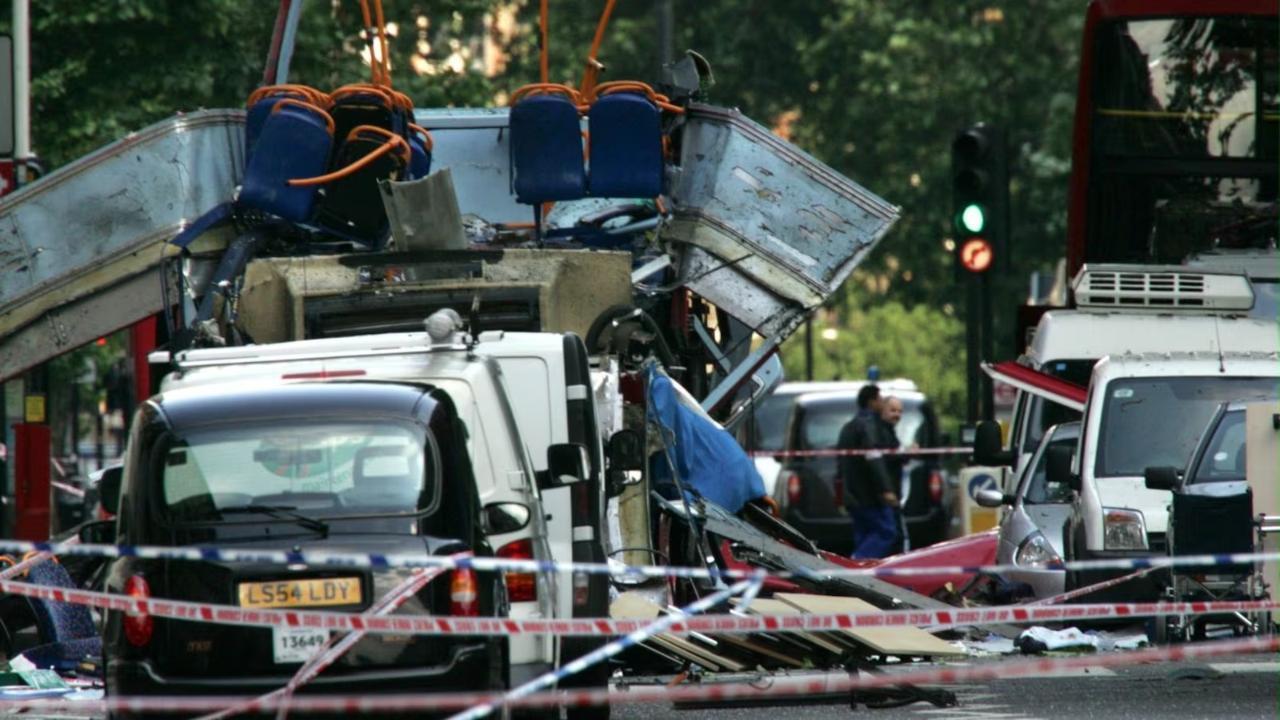
On the morning of July 7, 2005, four young men carrying backpacks filled with explosives boarded the London Underground and a double-decker bus. Coordinated suicide attacks were launched at nearly the same moment: three explosions on subway trains near Aldgate, Edgware Road, and Russell Square, followed by a fourth on a bus at Tavistock Square.
The bombings killed 52 innocent civilians and injured over 700 more. It was the first time the United Kingdom had experienced such a large-scale Islamist terrorist attack, and the event deeply scarred the national consciousness. The attacks occurred just one day after London was awarded the 2012 Olympic Games and just before the G8 Summit in Scotland, adding layers of geopolitical tension to an already horrific incident.
The 7/7 bombings exposed the UK’s vulnerabilities to homegrown extremism and changed how security, intelligence, and public safety were approached in the years that followed.
King Charles III Leads the Memorial Ceremony at Hyde Park
In Hyde Park, King Charles III stood before the 7/7 Memorial, which features 52 stainless steel pillars representing each of the victims. Dressed in black, with a white flower pinned to his lapel, the King laid a wreath in a silent tribute to the dead. In a deeply personal speech, the monarch expressed his “profound sorrow and unwavering support” for the families and survivors, recognizing their “immeasurable courage and strength.”
Charles reflected on the unity that emerged in the aftermath of the tragedy. “The worst of times brought out the best in people,” he said. “In those moments of fear and despair, our people found hope in each other. We did not let hate define us; we chose compassion.”
Dignitaries and Families Join in a Unified Act of Remembrance
Joining the King were Prime Minister Keir Starmer, Home Secretary Yvette Cooper, leaders of emergency services, and diplomats from across the globe. Starmer addressed the crowd, emphasizing the message that “those who sought to divide us failed.” He praised the strength and unity shown by Londoners in the days and weeks that followed the attacks.
Home Secretary Cooper spoke about the evolving threats facing the UK, noting that the challenges of extremism have not gone away. She acknowledged the continued risk of both Islamist and far-right terrorism, and promised that the government remains committed to “vigilance, prevention, and compassion.”
Survivors and bereaved families read the names of those killed, each name followed by a moment of silence. Some wept quietly, others held hands in solidarity. The tone was solemn, but deeply dignified—a community bonded by shared loss and unyielding resilience.
A National Service at St. Paul’s Cathedral
Following the Hyde Park ceremony, a national service was held at St. Paul’s Cathedral, one of London’s most iconic religious landmarks. The Archbishop of Canterbury led prayers for peace, while choirs sang hymns that echoed through the centuries-old cathedral.
In his homily, the Archbishop urged attendees to reflect not just on what was lost but also on what was built in the aftermath: stronger communities, improved emergency services, and a more vigilant yet compassionate society.
The service drew attendees from all walks of life, including representatives of various religious groups, survivors of the bombings, and London citizens who had volunteered in rescue and relief efforts.
A City Transformed: The Lasting Impact of the 7/7 Attacks
The 7/7 bombings profoundly reshaped London and the broader UK. In the two decades since, sweeping changes have been made to transportation security, intelligence sharing, and counter-extremism efforts. The Counter-Terrorism and Security Act of 2015, increased surveillance measures, and enhanced collaboration between MI5, the police, and international partners were all born from lessons learned on that tragic day.
Public awareness campaigns have also grown. “Run, Hide, Tell”—a now universally recognized slogan—was developed as part of community-focused terrorism response guidance. Annual emergency response drills in train stations and government buildings are now routine.
But beyond the visible changes, the 7/7 attacks forced a national reckoning about identity, inclusion, and the roots of radicalization. Governments have invested in youth engagement programs, religious dialogue, and community resilience to address ideological extremism at its core.
Personal Stories: Survivors Reflect on Two Decades of Recovery
Among those attending the Hyde Park memorial was Rachel Williams, a survivor who was on the Edgware Road train when the bomb detonated. Now an author and activist, Rachel shared how she rebuilt her life and became a voice for peace.
“I lost friends that day,” she said. “But I also found strength I didn’t know I had. Every year we gather not only to grieve but to celebrate life—because terror didn't win.”
Other survivors spoke of the psychological scars that never fully fade—panic attacks in crowded places, nightmares, or anxiety while commuting. Mental health services, though improved, are still struggling to meet the long-term needs of victims of mass trauma. Many emphasized the importance of continued funding and public recognition.
The Global Ripple Effect of 7/7
The 7/7 attacks were not just a national tragedy; they were a global wake-up call. As the first major Islamist suicide bombing in Western Europe, the attacks changed how other nations viewed domestic terrorism. Counter-terror strategies in cities like Paris, Brussels, and New York were directly influenced by London’s experience.
International leaders sent tributes on the 20th anniversary. The President of the United States, the Prime Minister of Canada, and heads of the European Union all released statements of solidarity. Global intelligence networks have since created real-time data-sharing platforms to track extremist movements across borders—many of which were inspired by the failures and responses post-7/7.
Vigilance Today: The Ongoing Threat Landscape
While the nature of terrorism has evolved, the threat remains. Modern dangers now include cyberterrorism, lone-wolf attackers, and radicalization through online platforms. The UK government warns that the internet has become a new battleground—where extremist propaganda can spread unchecked and recruiters operate anonymously.
Security services continue to thwart plots. The MI5 Annual Threat Report recently confirmed that over 30 major attacks have been prevented in the past five years. But officials caution that constant innovation and adaptation are necessary to stay ahead.
As technology advances, so must counterterrorism efforts. Facial recognition, AI-powered surveillance, and predictive behavior analysis are already being tested to prevent future tragedies.
Building Bridges: Education, Inclusion, and Dialogue
Beyond law enforcement, long-term peace depends on creating an inclusive society. Youth education programs now include modules on civic duty, religious tolerance, and media literacy to help prevent radicalization. Interfaith councils meet regularly to foster trust between communities, especially in high-risk urban areas.
King Charles emphasized this in his speech: “Our strength lies not in bricks or barricades, but in the human bonds we nurture—bonds of understanding, kindness, and shared destiny.”
Religious leaders, school principals, and local councilors have become frontline guardians against division. Their work may lack the visibility of armed patrols, but it is no less essential.
Legacy of Courage: Remembering the Fallen
Each of the 52 victims of the 7/7 bombings had a story—students, tourists, mothers, fathers, and workers heading to their jobs. The commemoration highlighted their lives, not just their deaths. Memorial installations now include digital biographies accessible through QR codes, allowing visitors to read about each individual’s journey and legacy.
Families have established scholarships, charities, and awareness programs in honor of their loved ones. These living memorials turn grief into hope, helping others even in loss.
Looking Forward: A Nation Renewed by Memory
As the United Kingdom marked the 20th anniversary of the 7/7 bombings, the tone was not solely mournful—it was resolute. The ceremonies reaffirmed that while pain endures, so too does progress. The nation has grown stronger, more united, and more vigilant.
In his closing remarks, King Charles called on the next generation to “cherish freedom, protect peace, and remember always the cost of both.” It was a message of dignity, hope, and enduring resolve.