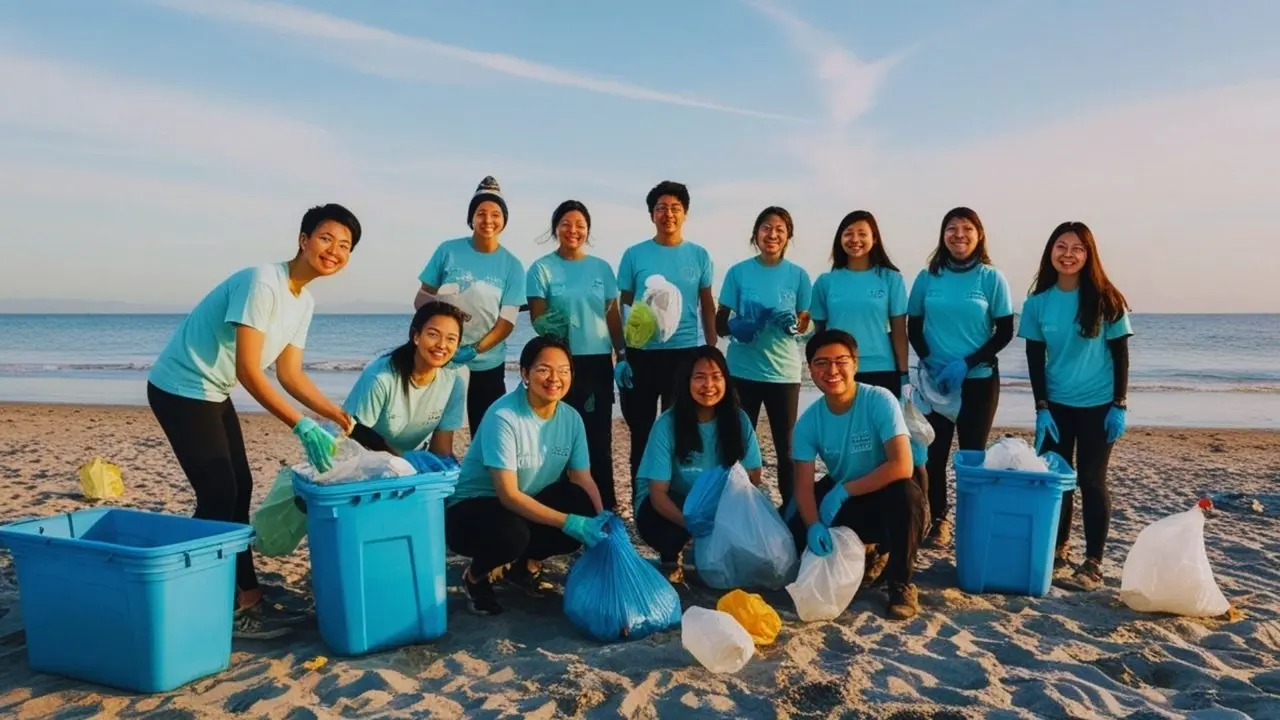
The Increasing Global Focus on Oceans
Covering over two-thirds of our planet, oceans play a crucial role in climate regulation, oxygen production, and supporting livelihoods. However, they have traditionally been overlooked in policy planning. This is rapidly changing in 2026.
Marine ecosystems are now center stage in global environmental debates as experts warn that essential habitats like coral reefs, fisheries, and mangroves are nearing critical thresholds. Climate change, pollution, and overfishing are collectively creating a crisis that can no longer be ignored.
This year marks a turning point with a heightened sense of urgency prompting governments, NGOs, and local communities to transition from awareness to action. The health of our oceans is now seen as intertwined with human survival.
Marine Biodiversity: The Stakes
The Diversity Underwater
Marine biodiversity encompasses a vast array of life forms in our oceans, from minuscule plankton to immense whales, including the myriad species within coral reefs. These organisms form intricate food webs that underlie fisheries, protect shorelines, and help maintain ecological balance.
Resilient oceans are characterized by rich biodiversity. A decline in this diversity hampers ecosystems' chances of recovery from climatic shocks, pollution, and storms.
A Worsening Decline
Recent scientific evaluations reveal that marine species populations have significantly dwindled in the past decades, with coral reefs being among the most endangered ecosystems globally.
Climate Change and Ocean Temperatures
Rising Heat and Coral Bleaching
Oceans absorb a majority of the excess heat produced by climate change, which, while mitigating land temperatures, induces severe stress on marine life.
The frequency and intensity of marine heatwaves are escalating, leading to widespread coral bleaching; repeated bleaching events drastically reduce coral recovery chances.
The Issue of Ocean Acidification
As oceans take in carbon dioxide, seawater acidity rises, affecting organisms like corals and mollusks that rely on shells, disrupting food chains from their foundations.
Challenges of Overfishing
Depleting Fish Resources
Overfishing presents a significant threat to marine biodiversity, with many valuable fish stocks being harvested quicker than they can naturally replenish.
Illegal and unregulated fishing practices continue to hinder conservation efforts, particularly across international waters.
Consequences for Coastal Communities
The decline in fish populations directly jeopardizes food security and economic stability for millions of coastal dwellers, notably in developing regions.
Plastic Pollution: An Ongoing Crisis
From Convenience to Calamity
Plastic waste has emerged as a stark emblem of oceanic degradation. Each year, millions of tons of plastic enter oceans, breaking into microplastics that infiltrate marine ecosystems.
Marine life frequently mistakes plastic for food, leading to harmful consequences including injury and death.
Implications for Human Health
Microplastics are making their way into seafood, table salt, and drinking water, raising alarm bells regarding their long-term health effects on humans.
Expanding Marine Protected Areas
A Fundamental Conservation Strategy
In 2026, one major advancement in ocean conservation is the increase in marine protected areas, which limit or regulate human activities to allow for ecosystem recovery.
Research shows that effectively managed protected areas boost biodiversity, rejuvenate fish populations, and enhance ecological resilience.
Global Targets on the Rise
International commitments aim to conserve at least 30% of the world’s oceans by 2030. While progress varies, more countries are establishing protected zones, fostering greater momentum.
The High Seas Treaty: A Global Initiative
Safeguarding International Waters
Much of the ocean lies beyond any nation’s jurisdiction. The High Seas Treaty, supported by the United Nations, represents a critical step in the governance of these international waters.
The treaty permits the creation of protected zones in waters beyond national boundaries, alongside regulations for environmental impact assessments.
The Importance of Governance
Without regulated governance, the high seas remain susceptible to unchecked exploitation. Global collaboration is crucial for preserving biodiversity on a planetary scale.
Coral Restoration Initiatives
Shifting from Protection to Restoration
Efforts are evolving from mere protection to active coral restoration. Scientists and conservationists are developing coral nurseries, heat-resistant coral strains, and assisted regeneration techniques.
Although restoration is no substitute for climate action, it presents genuine hope for preserving vital reef ecosystems.
Community Involvement in Reef Protection
Local communities are increasingly taking roles in reef monitoring and restoration efforts, merging traditional knowledge with modern scientific methods.
Mangroves and Seagrasses: Nature’s Climate Helpers
Harnessing Nature for Climate Solutions
Mangroves and seagrass beds are now recognized for their vital role in carbon capture, often referred to as blue carbon ecosystems.
These special habitats sequester significant amounts of carbon while providing essential protection against coastal erosion and storm impacts.
Fast-Tracked Restoration
Restoration of mangrove areas offers myriad benefits—supporting biodiversity, climate mitigation, and the economic resilience of coastal communities.
Technology's Role in Ocean Conservation
Utilizing Satellites and AI
Satellite technology, artificial intelligence, and drones are revolutionizing ocean monitoring, allowing for immediate detection of illegal fishing, habitat destruction, and pollution.
These advancements enhance the capacity for enforcement and transparency, particularly in remote oceanic areas.
Crowdsourcing Data for Conservation
Coastal residents, divers, and fishers are pivotal to data collection via mobile platforms, reinforcing conservation networks.
Advancing Sustainable Fisheries Management
Transitioning from Extraction to Sustainable Management
Various countries are pivoting towards science-based fishery management, establishing catch limits in accordance with ecosystem health.
Sustainability certifications and traceability schemes empower consumers to make informed decisions while promoting sustainable practices.
Economic Incentives for Conservation
Linking economic interests with conservation goals has become increasingly critical for achieving long-term success.
The Connection Between Oceans and Food Security
Global Dependence on Marine Resources
Seafood serves as a primary protein source for billions globally, making sustainable fishing crucial for future food security.
While aquaculture is on the rise, it must be conducted responsibly to prevent environmental depletion.
Supporting Coastal Communities through Conservation
Empowering Those Most Affected
Coastal populations are often the first to bear the brunt of ocean degradation, facing declining fish stocks and increasingly severe storms.
Empowering these communities through equitable management and conservation partnerships has proven more effective than imposed top-down strategies.
Mobilizing Youth for Ocean Advocacy
A New Wave of Advocates
Youth-driven movements are injecting renewed urgency into ocean conservation efforts. Through social media, educational initiatives, and grassroots activism, they are altering public perceptions.
Promoting ocean literacy is increasingly recognized as vital for achieving lasting change.
The Economic Costs of Inaction
Impacts on Global Economies
Oceans underpin industries generating trillions of dollars yearly, including seafood, tourism, and shipping sectors. Declining ocean health threatens economic stability and growth across these industries.
Preventive conservation emerges as a more cost-effective strategy compared to the ramifications of ecological collapse.
Remaining Challenges
Gaps in Funding and Enforcement
Many conservation programs suffer from insufficient funding and weak enforcement, particularly in underdeveloped regions of the world.
The Ongoing Climate Challenge
If global emissions remain unaddressed, conservation efforts may struggle to cope with the increasing threats of ocean warming and acidification.
2026: A Defining Year for Ocean Conservation
The advancements in ocean conservation in 2026 underscore an evolving comprehension that marine biodiversity's fate is intrinsically linked to human well-being. While the hurdles are significant, coordinated global efforts are finally starting to gain momentum.
The choices made today regarding protection, pollution control, climate action, and sustainable practices will define ocean health for generations.
Preserving Oceans is Preserving Ourselves
Our oceans are not infinite resources; they are complex ecosystems under pressure, yet capable of rehabilitation if afforded the opportunity.
The ocean conservation developments in 2026 serve as both a clarion call and an incredible opportunity. Delay poses risks to ecosystems and livelihoods, while united efforts rooted in science and commitment could lead to the restoration of ocean health and a sustainable future.
The mission to protect our oceans is a collective responsibility—one that resonates deeply with human fate.
Disclaimer
This article serves informational and editorial functions only. Outcomes in conservation depend on the implementation of policy, funding, and international cooperation. Readers are encouraged to stay informed through official scientific and environmental updates.