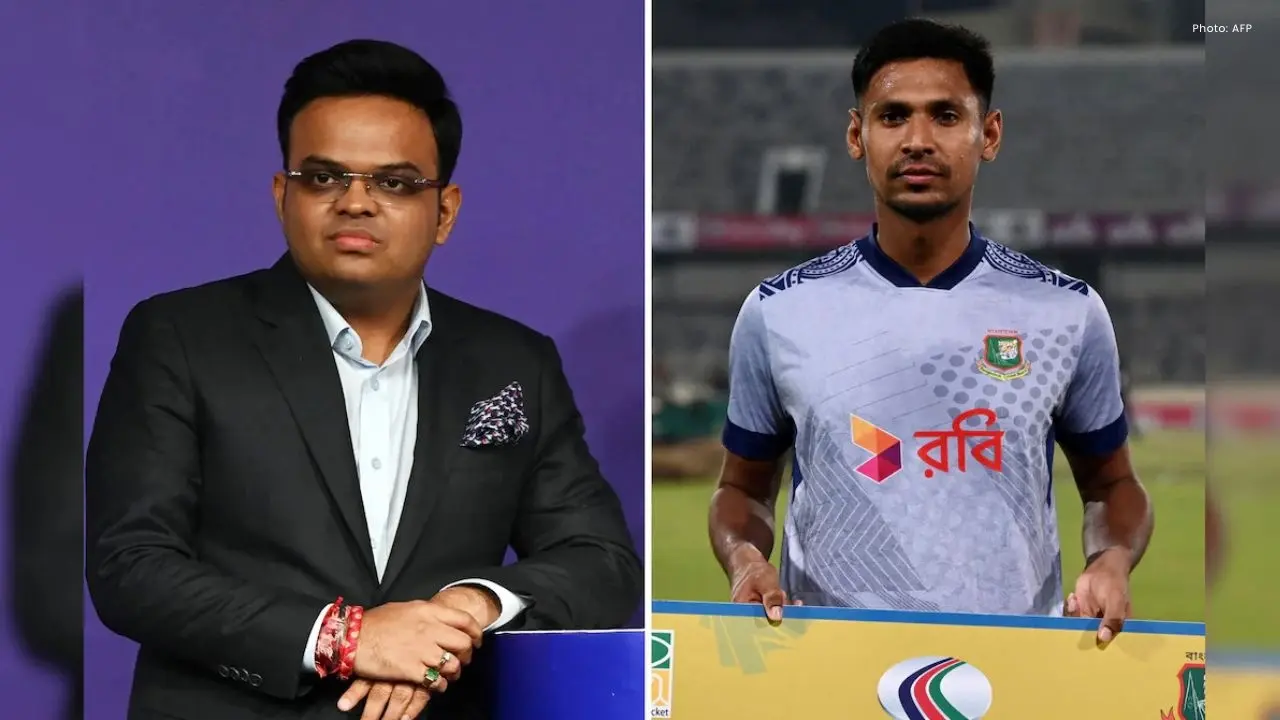
A recent visa setback has intensified the ongoing tension between the International Cricket Council (ICC) and Bangladesh as preparations for the T20 World Cup 2026 continue. What was originally intended to be a two-member ICC delegation visit has been reduced to a single representative after an Indian ICC official reportedly experienced delays with their visa application.
Initially, the ICC aimed to send two senior members to Bangladesh to address the security concerns highlighted by the Bangladesh Cricket Board (BCB) and the Bangladeshi government regarding player safety during the tournament. However, only Andrew Ephgrave, Head of Anti-Corruption and Security for the ICC, was able to arrive in Dhaka on January 17. His colleague, an executive from India, was unable to travel due to the visa issue, as reported by local sources.
This visit is perceived as a crucial last effort by the ICC to maintain the original plan for the T20 World Cup, scheduled to commence on February 7. Bangladesh has voiced significant apprehensions about sending its team to India, where several group-stage matches are to be held. The BCB has officially requested that the ICC relocate those matches to Sri Lanka, citing both security and political issues.
With the tournament just weeks away, all eyes are on Ephgrave. A former British law enforcement officer, he is anticipated to deliver a comprehensive security strategy aimed at assuring Bangladesh that their players and officials will remain safe while competing in India. Reports indicate that the plan will involve close collaboration with Indian authorities and enhanced protection for the Bangladesh team throughout their stay.
The visa complication itself symbolizes the troubled political relations between India and Bangladesh. Although the ICC has not publicly addressed the situation, the inability of an Indian official to secure timely visa approval has drawn significant attention, underscoring the seriousness of ongoing negotiations. This has made an already delicate situation even more complex.
If talks break down, the consequences could be dire. A stalemate may force the ICC to reconsider match locations or delay critical decisions, causing potential disruptions to the tournament before it even commences. Such unpredictability is detrimental to players, fans, broadcasters, and sponsors who depend on solid planning.
As it stands, the fate of Bangladesh’s participation based on the current schedule remains uncertain. The results of this visit to Dhaka could determine whether the T20 World Cup 2026 proceeds as intended or undergoes significant alterations. With time quickly slipping away, the intersection of cricket diplomacy and real-world politics is crucial in deciding the tournament's future.