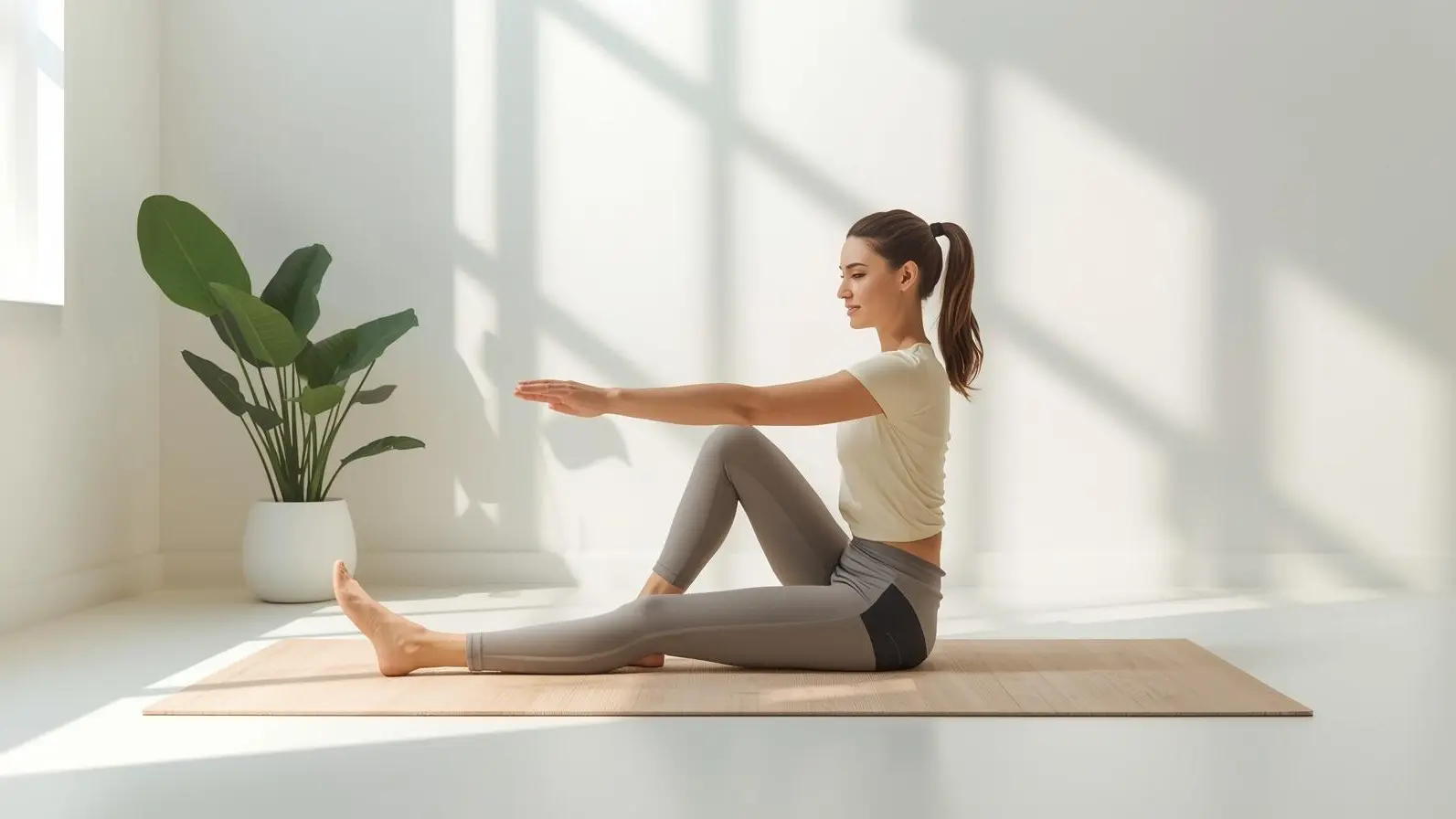
Gentle Exercises to Alleviate Joint Pain and Foster Knee Wellness
Joint pain and discomfort in the knees are prevalent concerns across various age groups—not limited to seniors. Factors such as inactive lifestyles, excess weight, past injuries, arthritis, and incorrect movement patterns can lead to stress on the knees and joints. Many individuals avoid physical activity, fearing it may exacerbate their pain; however, the right low-impact exercises can actually alleviate stiffness, strengthen surrounding muscles, and promote long-term knee health. This article highlights effective low-impact exercises that can help with knee pain and outlines how to perform them safely.
The Importance of Low-Impact Exercise for Joint Health
Low-impact workouts minimize pressure on joints while still activating muscles, enhancing circulation, and preserving mobility. Unlike high-impact exercises like running or jumping, low-impact activities ensure at least one foot remains on the ground, reducing stress on joints. Regular participation in low-impact activities nourishes cartilage, enhances joint lubrication, and fortifies muscles that support the knees and hips, leading to diminished pain over time.
Benefits of Exercise for Knee Health
The knee joint depends heavily on the surrounding muscle support. Weak quadriceps, hamstrings, glutes, and calves amplify strain on the joint. Low-impact exercises help fortify these muscles without placing excessive compression on the knee. Additionally, such movements boost the flow of synovial fluid, which lubricates the joint and alleviates stiffness, particularly beneficial for those suffering from arthritis or chronic discomfort.
Walking
- A simple and accessible low-impact exercise.
- Enhances blood circulation to the joints while gradually building leg strength.
- Opting for flat terrain minimizes knee strain.
- Frequent, shorter walks yield better results than longer, tiring sessions.
- Wear supportive footwear to avoid additional stress.
Cycling
- An excellent choice for knee health, cycling strengthens muscles without impact.
- Improves knee mobility and reduces tightness.
- Stationary cycling provides better management of speed and resistance.
- Utilizing low resistance with steady pedaling is best for alleviating joint pain.
- Particularly advantageous for individuals with osteoarthritis.
Swimming
- Regarded as one of the most effective options for joint pain relief.
- Buoyancy reduces weight on knees and hips.
- Facilitates full-body movement without stressing the joints.
- Enhances flexibility, endurance, and muscle conditioning.
- Water's resistance gently strengthens muscles.
Water Aerobics
- Combines exercise with resistance while minimizing joint stress.
- Enhances balance, strength, and overall mobility.
- Exercise variations adapt easily to individual pain tolerance.
- Warm water further alleviates stiffness and discomfort.
- Optimal for anyone experiencing severe knee pain or limited activity.
Using Elliptical Machines
- Elliptical trainers provide a gentle, gliding motion.
- Lower impact than running.
- Enhances leg strength and cardiovascular health.
- Proper form is crucial for joint protection.
- Maintaining low resistance and a measured pace is key for knee health.
Practicing Yoga
- Enhances joint flexibility, balance, and muscle strength.
- Helps relieve stiffness and improve posture.
- Milder styles are best suited for those with joint pain.
- Also aids in stress reduction, which can amplify pain perception.
- Careful movements protect the knees when performed properly.
Pilates
- Focuses on controlled movements and stability.
- Strengthens muscles crucial for knee and hip support.
- Enhances body alignment and movement efficiency.
- Building a stronger core and glutes helps alleviate joint stress.
- Mat-based Pilates is perfect for newcomers experiencing joint pain.
Bodyweight Strength Training
- Helps safely develop muscles that support joints.
- Effective exercises include wall sits, leg raises, and glute bridges.
- Slow and deliberate movements are key for joint protection.
- Form should take precedence over the number of repetitions.
- Strengthening muscles lessens knee strain during daily tasks.
Utilizing Resistance Bands
- Facilitates gentler strength training.
- Allows for controlled engagement of muscles without high loads.
- Band exercises enhance stability around the knee and balance in muscles.
- Resistance can be easily adjusted.
- Applicable for rehabilitation and home workouts.
Stretching for Joint Well-Being
- Alleviates tightness in muscles surrounding joints.
- Flexible muscles promote smoother movements.
- Stretches targeting hamstrings, calves, and hips are critical for knee health.
- Any stretching should be gentle and never painful.
- Regular stretching enhances overall comfort and mobility.
Exercises to Avoid with Knee Pain
- High-impact activities may exacerbate joint strain.
- Running on hard surfaces increases stress on knees.
- Jumping, deep squats, and rapid directional shifts can harm joints.
- Twisting motions may irritate knee pain.
- Steer clear of exercises that trigger acute or lingering discomfort.
Recommended Exercise Frequency for Joint Health
- Consistency is more crucial than intensity.
- Low-impact workouts can be done nearly every day.
- Short, frequent sessions are preferable to long, once-in-a-blue-moon workouts.
- Take rest days if experiencing soreness in joints.
- Listening to your body is vital to prevent injuries from overuse.
Safe Exercise Tips for Those with Joint Discomfort
- Always warm up before sessions to ready your joints.
- Use supportive footwear and proper equipment.
- Take your time, beginning slowly and increasing intensity gradually.
- Keep correct posture and alignment throughout.
- If you feel a sharp increase in pain, stop immediately.
Managing Weight and Joint Health
- Extra body weight adds to stress on knee joints.
- Even modest weight loss can alleviate pressure on the knees.
- Low-impact exercises assist with safe weight management.
- Combined with a nutritious diet, it improves comfort in the joints.
- A healthy weight contributes to long-term joint protection.
When to Seek Professional Advice
- Ongoing or worsening knee pain warrants medical attention.
- Physiotherapists can create tailored exercise strategies.
- Incorrect exercises may further aggravate joint issues.
- Early guidance helps prevent long-term damage.
- Expert advice ensures safe progression in your routine.
Conclusion
Engaging in low-impact exercises can significantly ease joint pain and safeguard knee health. Keeping joints lubricated, strengthening muscles, and controlling pain levels hinges on movement. Activities like walking, cycling, swimming, yoga, Pilates, and gentle strength training provide valuable benefits without inflicting undue stress. The essential factors are consistency, proper form, and attentiveness to your body's signals. Through an informed approach, low-impact exercises can rejuvenate confidence, enhance mobility, and ensure lasting joint comfort.
Disclaimer
This article serves as informational content only and does not substitute for professional medical guidance. Always consult a medical or fitness expert before embarking on a new exercise regimen, particularly if you possess existing joint conditions.