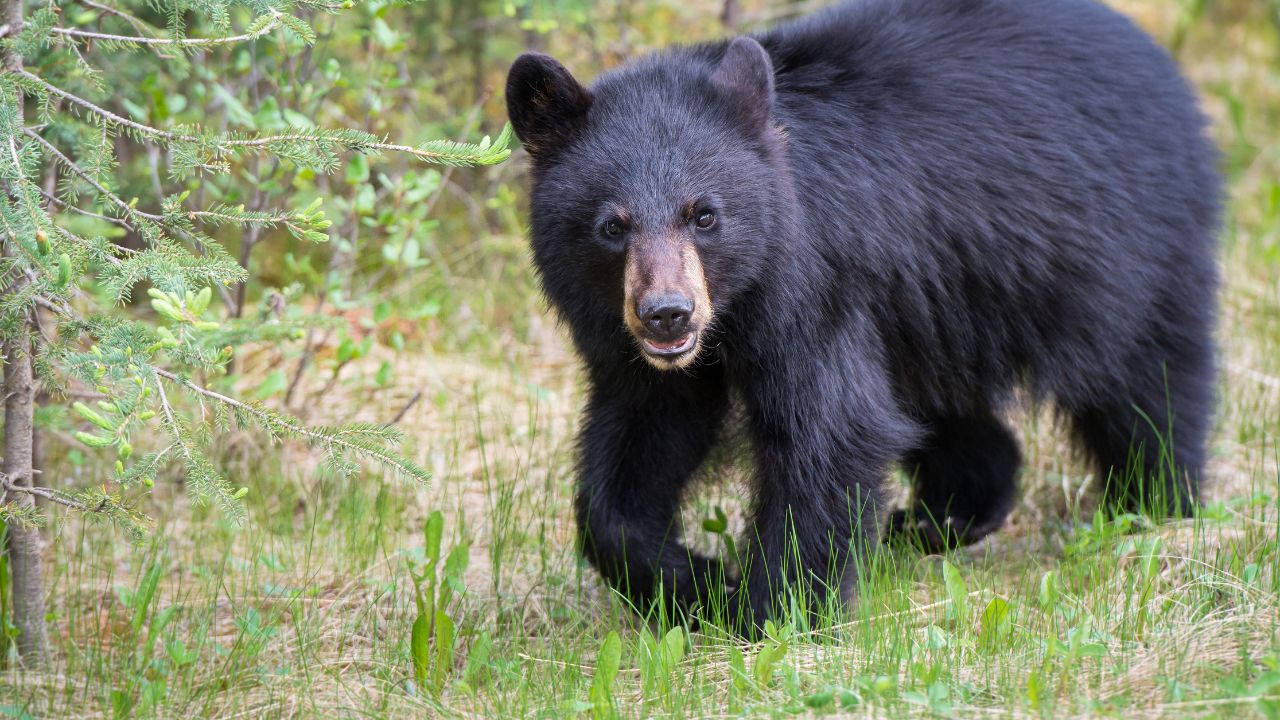
New data from the B.C. Conservation Officer Service shows that fewer black bears were killed in British Columbia in 2025 than in any year in more than a decade, marking a significant decrease in human-bear conflicts and enforcement actions. According to provincial wildlife figures, officers dispatched (killed for public safety) 178 black bears and euthanized 33 more for welfare reasons last year — a total of 211 bears, which is about 65 per cent fewer than the number reported in 2023 and the lowest count since predator statistics began being published online.
“Dispatch” refers to instances where conservation officers kill bears due to immediate threats to human safety, such as repeated appearances in urban areas and aggressive behaviour, while euthanization typically involves animals with critical injuries or suffering that cannot be treated humanely.
Large carnivore specialists with the province say that the abundance of natural food sources, such as a strong berry crop in interior regions, may have contributed to fewer bears entering communities in search of human food — a key factor in fewer clashes with people.
Officials also stress that many human-bear conflicts are preventable through effective community practices, such as managing attractants like unsecured garbage, bird feeders and fruit trees, which often draw wildlife into residential areas. Conservation officers continue to engage with local communities, organizations and businesses to promote safety and coexistence, aiming to protect both people and wildlife.
The updated figures reflect a broader trend of changing wildlife interactions in British Columbia, where black bears remain widespread but conservation strategies and natural conditions can influence how often they come into conflict with residents and authorities