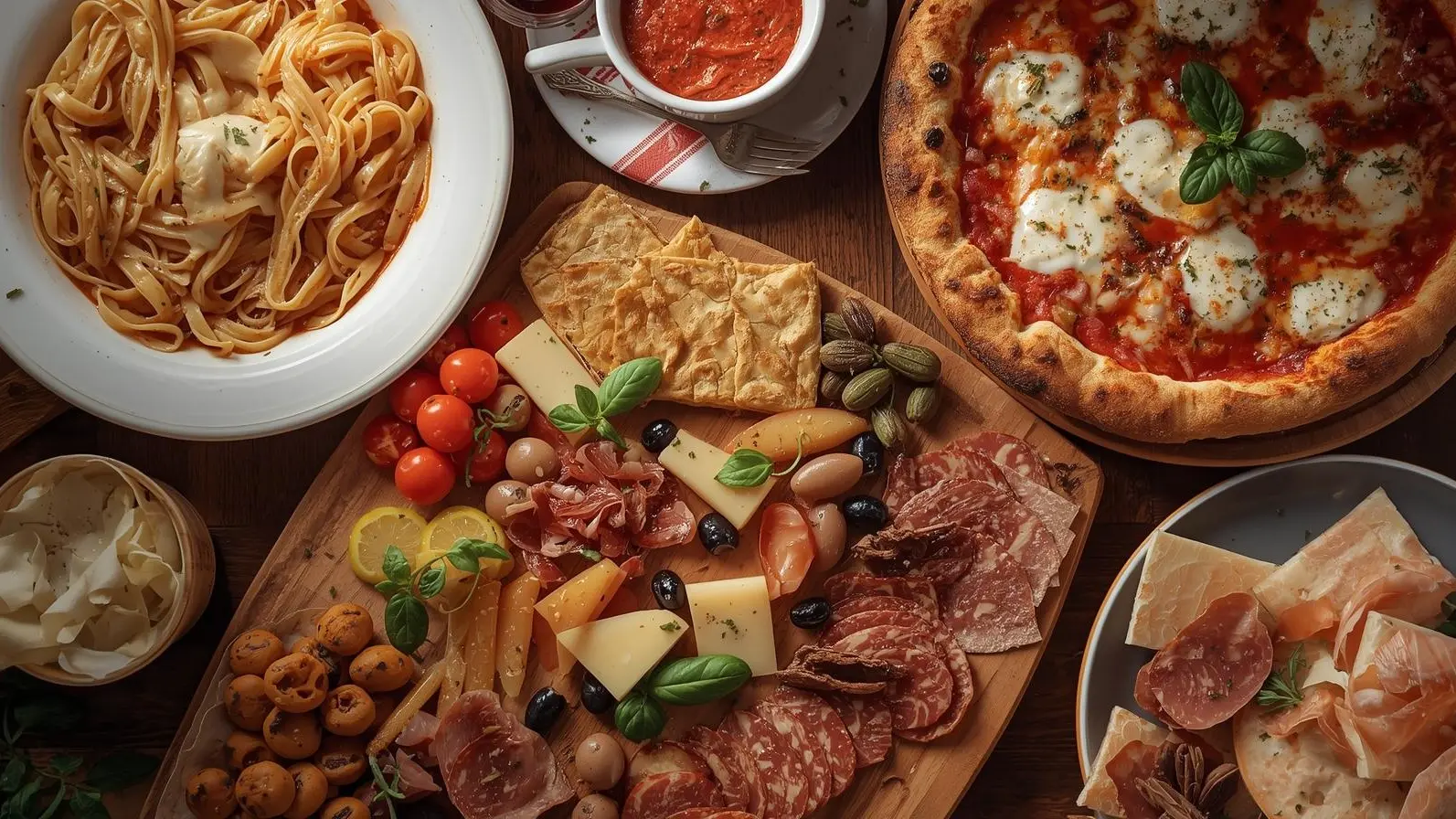
Explore Italy's Culinary Treasures: Top Dishes Favored by Tourists
Renowned for its comfort and simplicity, Italian cuisine captivates food lovers globally. While visiting Italy, tourists often find the menus familiar yet distinctly different from their home experiences. This guide delves into the must-try Italian dishes tourists are drawn to, providing insights into their origins and how to confidently order them during your travels through Italy.
Overview of Italian Food Traditions
Italian cuisine varies widely, with each region boasting unique ingredients, cooking methods, and specialties. Dishes focus on high-quality ingredients, steering clear of overpowering spices. As you journey across Italy, you’ll discover that variations in pasta shapes, sauces, cheeses, and cooking techniques contribute to the distinct tastes in cities such as Rome, Naples, and Milan.
Popular Italian Starters
Italian meals typically commence with light starters designed to whet your appetite rather than sate it.
Bruschetta
A classic starter, bruschetta features grilled bread adorned with garlic, fresh tomatoes, olive oil, and basil. Its simplicity and freshness make it a favorite among visitors, with various toppings like mushrooms and prosciutto available based on the local specialty.
Caprese Salad
This delightful salad from southern Italy consists of fresh mozzarella, tomatoes, basil, olive oil, and seasoning. It’s particularly favored in summer and coastal areas, offering a light and refreshing option in warm weather.
Beloved Italian Pasta Varieties
Pasta lies at the heart of Italian culinary traditions, often leading tourists to select familiar names while potentially overlooking their regional nuances.
Spaghetti Carbonara
A staple of Roman cuisine, Carbonara comprises eggs, pecorino cheese, guanciale, and black pepper—with no cream present in the traditional recipe, surprising many who encounter its true essence for the first time in Rome.
Pasta Alfredo
Although popular internationally, Alfredo is seldom served in Italy. Locals opt for straightforward butter and cheese mixtures, prompting travelers seeking genuine Italian dishes to forgo this option.
Lasagna
Lasagna, a hearty concoction of layered pasta, ragù, and béchamel sauce, is most famously associated with Bologna. Tourists frequently order it for its comforting and filling nature, especially in chillier months.
Penne Arrabbiata
This spicy tomato pasta dish, enhanced with garlic and chili, draws tourists looking for zesty vegetarian options.
Iconic Italian Pizzas
Pizza remains a prominent reason for many travelers venturing to Italy, particularly Naples.
Neapolitan Pizza
With its soft yet airy crust, Neapolitan pizza is swiftly baked at high heat. The Margherita and Marinara variations are among the top choices. Tourists often find it lighter and more easily digestible compared to versions in their home countries.
Pizza Quattro Formaggi
This cheesy delight, boasting a variety of local cheeses, appeals to tourists inclined towards rich flavors, with combinations differing by region and establishment.
Traditional Italian Main Dishes
Beyond pasta and pizza, Italy is home to robust main courses that tourists are eager to sample.
Chicken Parmigiana
Though more commonly found outside Italy, tourists still seek out Chicken Parmigiana. In the Italian context, it's often replaced with the eggplant-based Parmigiana di Melanzane.
Osso Buco
This Milanese delicacy, a slow-cooked veal shank with gremolata, is a go-to for tourists wanting a taste of traditional northern Italian fare.
Bistecca alla Fiorentina
A beloved T-bone steak from Florence, cooked rare and garnished simply with salt and olive oil, often astonishes tourists with its substantial portion and straightforward preparation.
Italian Street Foods to Try
Street food provides quick and budget-friendly access to regional flavors.
Arancini
These fried rice balls, stuffed with cheese, ragù, or vegetables, are a Sicilian specialty, eagerly sought after by tourists as snacks during their sightseeing adventures.
Panini
Italian panini, featuring fresh bread filled with cured meats, cheese, and vegetables, are favored by travelers looking for quick yet quality lunches.
Sweet Italian Desserts
Desserts play a vital role in Italian meals, often providing a sweet finale.
Tiramisu
Among the most popular desserts, tiramisu features coffee-soaked ladyfingers combined with mascarpone and cocoa, offering a creamy yet not overly sweet experience.
Gelato
This delightful frozen dessert, lighter than ordinary ice cream, is enjoyed by tourists year-round, with pistachio, hazelnut, and chocolate being top flavor selections.
Cannoli
These Sicilian pastries filled with sweet ricotta cream are crispy, rich, and a delight for tourists exploring the southern regions of Italy.
Cheeses and Cured Meats Tourists Adore
Italy's renowned cheeses and cured meats are often shared on communal plates.
Parmigiano Reggiano
Lauded as the king of cheeses, Parmigiano Reggiano is aged, flavorful, and enjoyed both on its own and grated over pasta.
Prosciutto di Parma
This thinly sliced, dry-cured ham pairs wonderfully with bread or melon, beloved by tourists for its delicate flavor and authenticity.
Guidelines for Ordering Food in Italy
When ordering in Italy, a few cultural nuances can enhance your experience. Italians typically serve pasta as a starter followed by separate main courses. Cappuccino often comes after meals are finished. While modifications are permissible, such requests are less frequent than in other countries. Trusting menus and local recommendations generally leads to exceptional meal experiences.
Common Ordering Pitfalls Among Tourists
Many tourists mistakenly presume Italian cuisine will taste similar everywhere. Requesting heavy meals for every course can be overwhelming, and choosing restaurants near major tourist sites often results in less authentic food experiences. Exploring the side streets tends to reveal better dining options.
Why Italian Cuisine Is Unique in Italy
Dishes enjoyed in Italy highlight freshness, balanced portions, and tradition. Seasonal, locally sourced ingredients are at the forefront, with recipes faithfully adhered to, which is why familiar dishes take on a unique character in their native land.
Final Insights
Italian cuisine transcends mere pizza and pasta; it embodies regional histories, local ingredients, and cultural pride. Travelers who look beyond the familiar will often uncover richer flavors and unforgettable meals. By recognizing popular dishes and traditional preparation methods, visitors can savor Italian cuisine like the locals do.
Disclaimer
This article serves informational purposes only. Food availability, recipes, and preparation methods may vary by region and restaurant. Always check local menus for the most accurate details.