A recent military operation by US forces on a suspected drug-trafficking vessel in the eastern Pacific Ocean resulted in the deaths of four individuals, amplifying criticism regarding the aggressive counter-narcotics strategies employed by the US government. This incident contributes to a troubling tally of over 87 fatalities under the current administration's initiatives, prompting serious discussions around military accountability and ethical conduct.
US Southern Command indicated that this operation targeted a craft “operated by a Designated Terrorist Organization,” allegedly transporting illicit drugs on a recognized smuggling route. Footage shared on social media platforms depicted a high-speed multi-engine boat just before it was struck, subsequently erupting in flames.
This strike follows a considerably controversial event from early September when US forces struck the wreckage of a previously destroyed vessel, resulting in the deaths of two survivors who were desperately attempting to stay afloat. This particular operation has triggered significant political debate in Washington, with many lawmakers branding it as one of the most unsettling military actions reviewed in recent history.
Representative Jim Himes, a senior Democratic lawmaker, who reviewed extended classified video footage, stated it showed a US assault on “shipwrecked sailors” who posed no escape options or threats. He described the scenario as “deeply troubling,” underscoring that the individuals were clearly in distress.
Republican Representative Don Bacon voiced similar concerns on CNN, highlighting that military regulations prohibit the elimination of survivors absent an immediate threat. He remarked, “These two individuals were struggling for survival,” noting they did not fulfill the criteria for presenting imminent danger.
In contrast, some lawmakers have defended the military operation. Senator Tom Cotton from the Republican Party argued that all actions on September 2 were “lawful” and “necessary,” maintaining that the survivors were attempting to right the damaged vessel to resume their drug transport activities.
Both the White House and Pentagon have sought to distance Defense Secretary Pete Hegseth from accountability, instead directing focus on Admiral Frank Bradley, who spearheaded the mission. It has been reported that Bradley informed lawmakers Hegseth did not authorize the killing of all crew members, yet critics contend that ultimate accountability remains with the defense secretary.
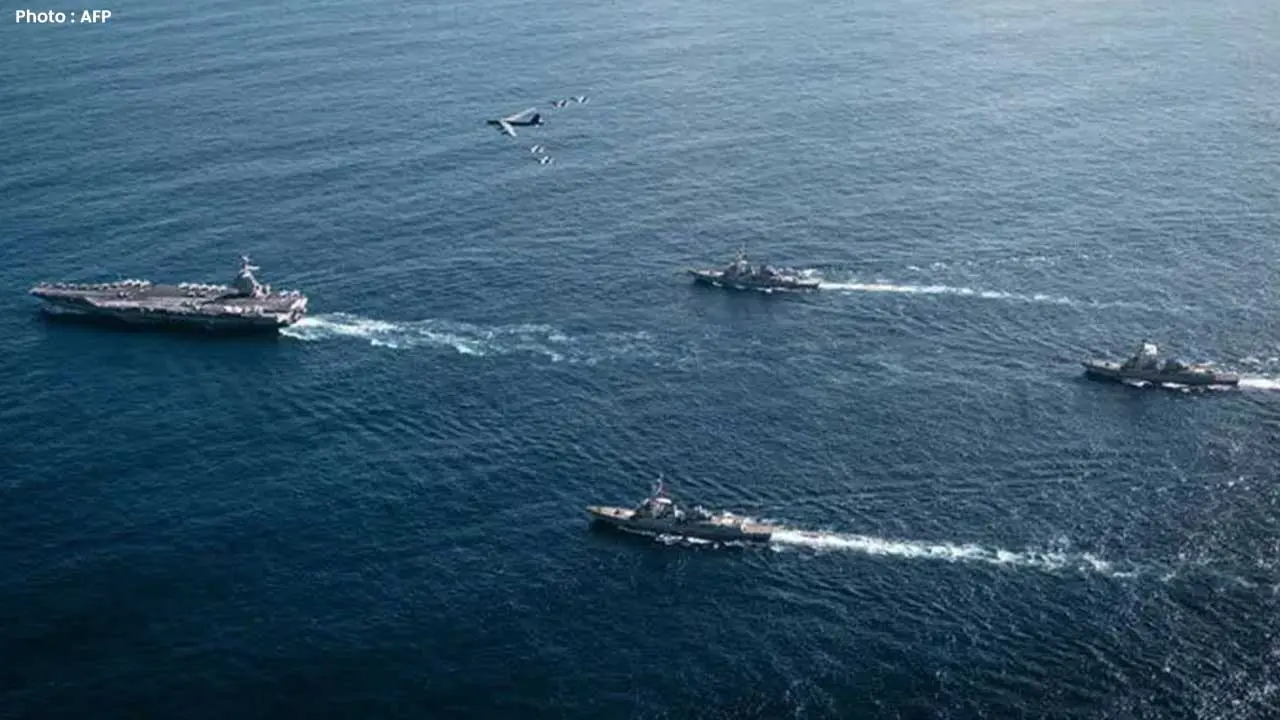
The Trump administration defends its stance, asserting that the United States is essentially at war against “narco-terrorist networks,” which justifies deploying the world's largest aircraft carrier and additional military resources to the Caribbean to bolster counter-narcotics missions.
Such a robust military stance has heightened tensions throughout the region. Venezuelan President Nicolas Maduro has accused Washington of exploiting drug-trafficking issues to instigate “regime change” in Caracas, issuing warnings that the situation might escalate.
As investigations advance and political rifts deepen, this latest strike has once again drawn intense scrutiny on America's counter-narcotics operations, raising pressing queries regarding the rules of engagement and ethical parameters in maritime warfare.