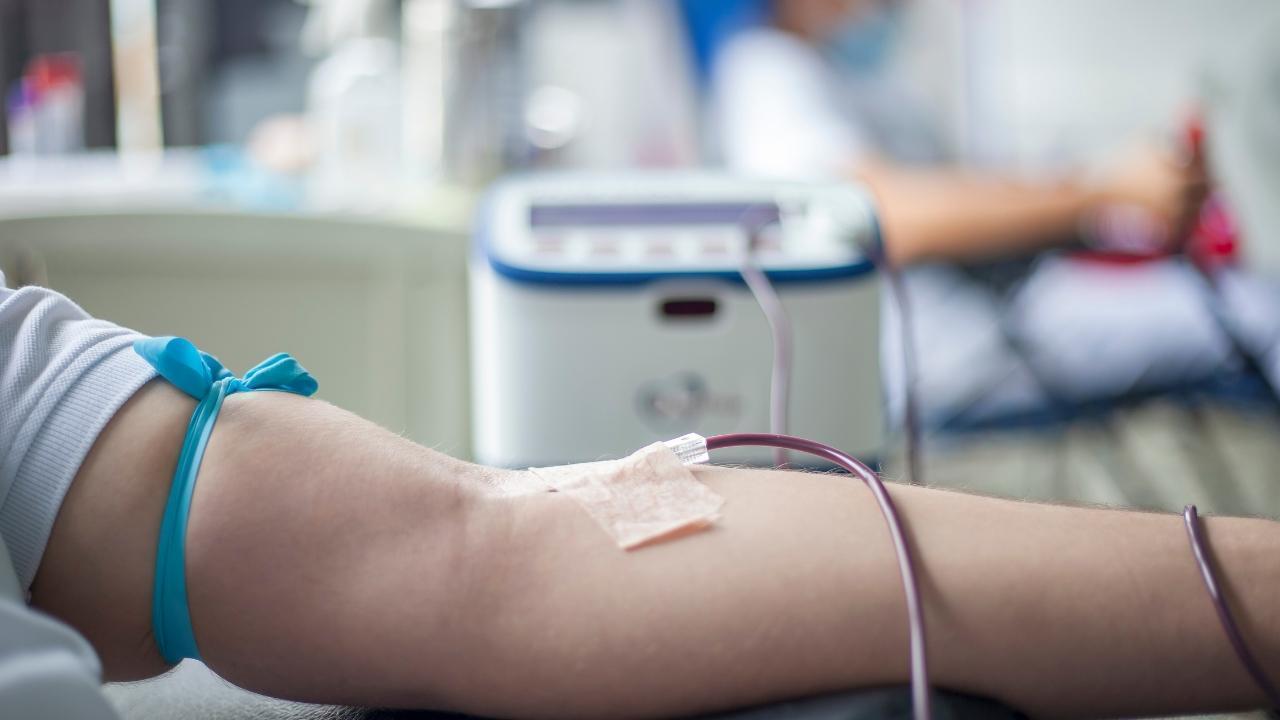
Canada is facing a critical shortage of blood supplies, with O‑negative blood stocks among the lowest in over a decade. Health officials are urgently calling on O‑negative donors—universal donors essential for emergency care—to donate as soon as they can.
National Blood Supply at Breaking Point
Canadian Blood Services (CBS) reports that the national inventory for both O‑positive and O‑negative blood has dropped to just three days’ worth of supply, far below the recommended threshold of eight days. A similar shortfall affects other groups including A+, A– and B– types. This decline comes amid the smallest donor base recorded in ten years.
Emergency Role of O‑negative Blood
O‑negative blood is considered the universal donor type, suitable for transfusion to any patient regardless of their blood type. In trauma or emergency settings—such as accidents or surgeries—O‑negative is often used immediately when a patient’s blood type is unknown. Its importance cannot be overstated.
Reasons Behind the Decline
Several factors are contributing to the current crisis:
-
Summer slowdown in donations, when Canadians travel or prioritize vacations.
-
Many regular donors have aged out of eligibility, while younger people are less likely to enroll.
-
Pandemic disruptions changed donation patterns, reducing the routine base that Canada previously relied on.
National Recruitment Campaign
To address the gap, CBS has launched an ambitious plan to recruit one million new blood donors over five years. This initiative includes expanded collection hours, mobile drives, and tailored outreach to diverse communities—including remote, Indigenous, and underrepresented populations.
Importance of O‑negative Donors Specifically
O‑negative donors are rare—only about 7% of Canadians carry this blood type. Because it can be used in emergencies without cross-matching, O‑negative blood is in constant demand, making these donors especially vital.
What Canadian Blood Services Is Asking
-
If you're O‑negative and eligible, book a donation immediately, prioritizing fill Schedules in coming days.
-
Encourage eligible friends or family to donate together—you can motivate others by example.
-
Consider volunteering or public outreach to raise awareness—each donor helps expand the network.
Public Feedback & Community Awareness
Social media and forums show active discussion. One post aptly stated:
“O‑neg is a universal donor, so they are quite literally always in need.”
Others point out Canada’s reliance on imported plasma products and emphasize the importance of supporting domestic blood and plasma donation efforts.
Donors recount positive personal experiences:
“It takes around 20 minutes… the good feelings … last forever.”
Potential Impacts on Healthcare
Without sufficient donation fill-up, hospitals may face difficult trade-offs, postponing or canceling some surgeries. Since blood products are perishable—red cells last around 42 days, platelets just seven—it’s vital the inventory remains topped up.
Expanded Access and Equity Initiatives
CBS aims to improve accessibility with:
-
More donation centres in underserved regions
-
Longer hours and online booking options
-
Outreach tailored to ethnic underrepresentation—particularly for blood types tied to specific populations.
How the Shortage Affects Canadians
-
Surgical delays if trauma or regular supply demands aren't met.
-
Emergency care—where every minute counts—often depends on universal O‑negative availability.
-
Vulnerable groups receiving immunoglobulin therapies may be impacted due to broader plasma shortages.
Safety Measures and Eligibility
Health screenings ensure safety for donors and recipients. Criteria cover health, travel history, medications, and lifestyle factors. Policy changes underway aim to improve inclusion by shifting to behaviour-based screening rather than blanket exclusions.
Tips for Potential O‑negative Donors
-
Stay hydrated and eat salty snacks before your donation.
-
Bring a friend or go with a group to make it social and supportive.
-
After donating, enjoy snacks and rest—donation usually takes under an hour in total.
Important Takeaways
| Need |
Why It Matters |
| O‑negative donations |
Crucial for emergencies without blood typing |
| Low national inventory |
Amounting to only 3 days worth—risk to supply |
| Rapid recruitment goal |
One million new donors targeted over five years |
| Outreach to all communities |
To improve access and equity in donation rates |
| Continued reserves essential |
To ensure surgeries and emergencies proceed |
Canada’s blood supply is in a precarious state. With O‑negative levels at critically low levels, every eligible donor’s contribution becomes vital. By acting now—donating, sharing, and encouraging others—you can directly support lifesaving care across the country.