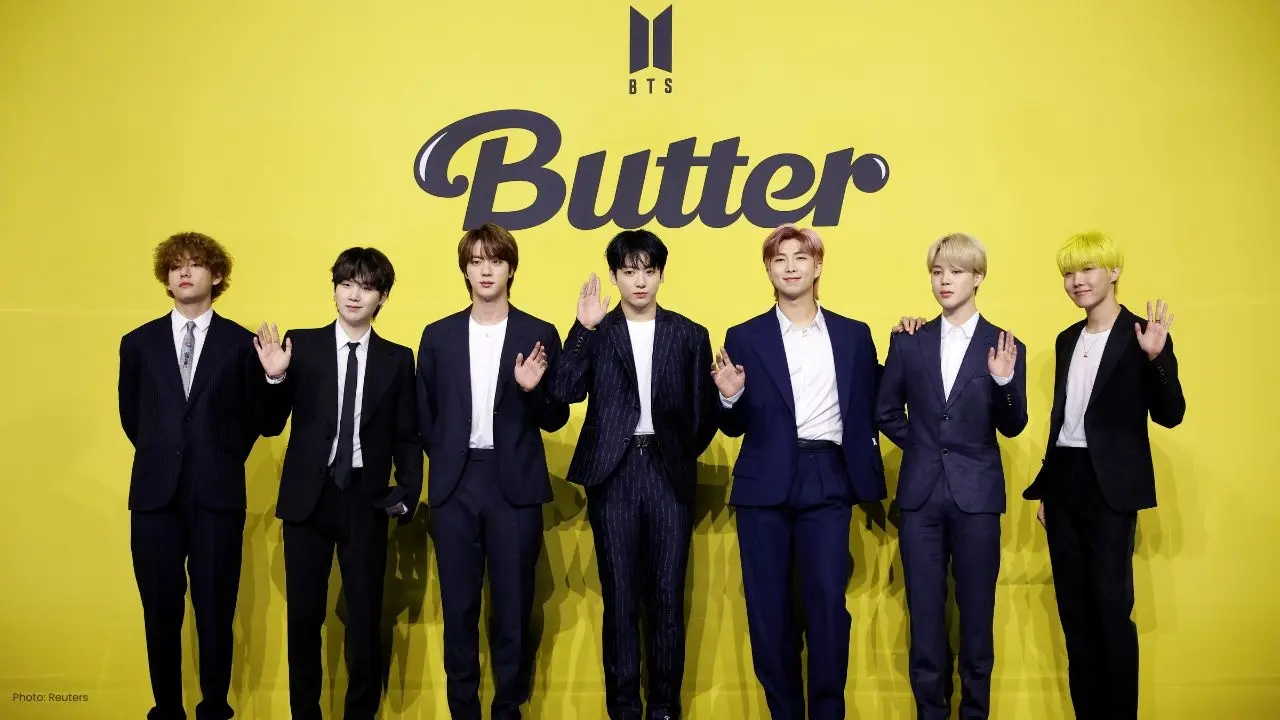
The return of K-pop megastars BTS is stirring remarkable enthusiasm as fans rush to secure tickets for their eagerly anticipated comeback tour, which follows a four-year hiatus. In Mexico, the fervor has escalated to such an extent that President Claudia Sheinbaum has taken action, reaching out to South Korea’s leadership to request additional concert dates.
On Monday, Sheinbaum disclosed that she had contacted South Korea’s president, hoping to see more BTS performances scheduled in her nation. While awaiting a response, she noted that fans are remaining hopeful. With three shows already slated for Mexico City in May during their expansive 79-date world tour, tickets for these events vanished in less than 40 minutes, reports indicate.
The surging demand has ignited debates, with fans accusing ticket platforms and resale services of employing dynamic pricing that inflated costs beyond the original price range. Although official tickets ranged from 1,800 to 17,800 pesos, some resale listings have reportedly soared to as high as 92,100 pesos.
In response, Mexico's consumer protection agency has intervened, penalizing major resale services for what they labeled as abusive practices during ticket sales. Authorities estimate that nearly a million young followers vied for just 150,000 tickets, underscoring BTS's remarkable popularity in the nation.
Currently, Mexico stands as the fifth-largest market for K-pop worldwide, with streaming of the genre increasing by over 500% in the last five years. Despite requests from local promoters, the tight scheduling of BTS has yet to allow for the addition of extra performances.
Having not released joint music since mid-2022 due to solo endeavors and military commitments, the group kicks off their comeback tour in April in South Korea, extending through Asia, Europe, and the Americas, with projections estimating total revenue could exceed $1 billion.