Arijit Singh’s Surprising Decision
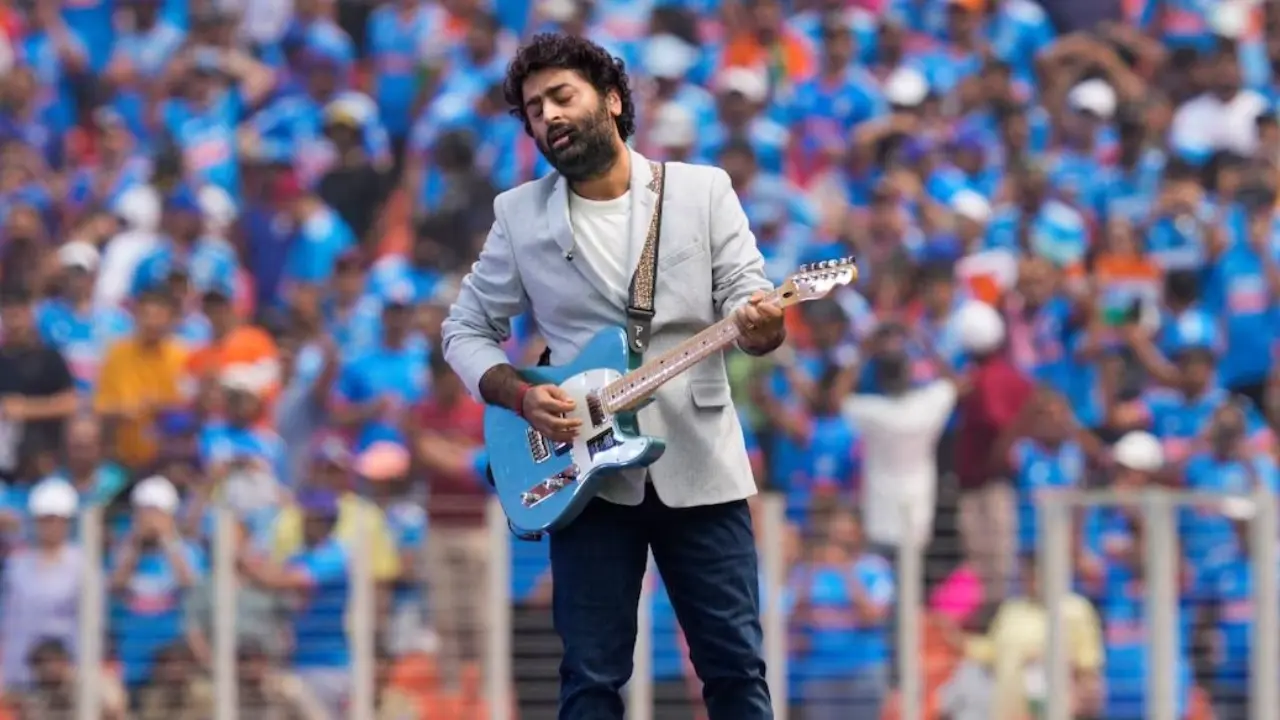
Beloved Indian playback artist Arijit Singh has shocked fans and the music industry by announcing his retirement from playback singing. This unexpected move marks the conclusion of a significant chapter in Bollywood music. In a heartfelt social media post, Singh detailed that he would no longer be accepting roles as a playback singer, reflecting on his experience in the film music industry as a "wonderful journey" that has now come to a close.
Singh’s voice has been synonymous with some of the most emotionally resonant moments in modern Bollywood. For over a decade, his rich baritone has brought life to many memorable songs, making his exit from the industry a moment of introspection for fans and musicians alike.
Musical Roots and Early Beginnings
Arijit Singh's journey began far from the limelight of Mumbai. Hailing from Murshidabad, West Bengal, he was introduced to classical music at a young age. His mother, a music lover, nurtured his talent and connected him to a prominent local teacher. This traditional training laid the groundwork for his future artistry.
Growing up, Singh was shaped by both the rigors of classical music and the catchy tunes of Hindi film songs. Initially, his strict teacher limited exposure to popular music, but inspired by the legendary voices of Kishore Kumar, Mohammad Rafi, and Lata Mangeshkar through radio, he developed a broad musical understanding.
His breakthrough came via the reality show Fame Gurukul in 2005. Although he didn’t win, his heartfelt performances captured the eyes and hearts of industry insiders, hinting at his destined success.
Soaring to Fame: The Bollywood Journey
After participating in the reality show, Singh set foot in Mumbai, eager to carve out his space in the music scene. He began his journey as a music programmer and composer’s assistant, absorbing crucial industry knowledge.
His debut into playback singing occurred with the track “Phir Mohabbat” in the film Murder 2 in 2011. However, it was his contribution to the 2013 hit film Aashiqui 2 with the song “Tum Hi Ho” that truly catapulted him to fame, transforming the way cinema music resonated with audiences.
Since then, Singh has been a prominent voice in the industry, adeptly capturing a range of emotions—from heartbreak in songs like Channa Mereya to ardor in Kesariya—making him a defining voice of this generation.
Achievements and Influence
With numerous accolades, Arijit Singh became a powerhouse within the Indian music scene, consistently dominating award functions and earning several Filmfare Awards for Best Male Playback Singer. In 2025, he was conferred the prestigious Padma Shri, a testament to his unparalleled influence on Indian music.
His fame extended globally, becoming one of the most followed artists on a leading music streaming service, showcasing his broad appeal. Singh also ventured beyond Hindi cinema, lending his talent to many regional film industries, thus bridging cultural divides.
The Emotional Farewell: Reflecting on His Words
On January 27, 2026, Arijit Singh shared his groundbreaking announcement on social media, captivating audiences worldwide. Offering heartfelt thanks to his supporters for their loyalty, he confirmed he would cease new playback engagements, stepping back from mainstream cinematic music.
Singh expressed gratitude and excitement for new creative avenues, affirming his journey in playback singing as “wonderful,” a sentiment that resonated with fans everywhere.
Industry and Fans React
Fans quickly took to social media to express their mixed emotions over Singh’s announcement, sharing love and celebration for his extensive musical legacy. Many paid tribute using lines from his notable songs, illustrating how entwined his music has become with their personal stories.
Industry colleagues also joined the conversation, paying homage to his contributions and highlighting the gap his departure could create within Bollywood. Fellow artists and filmmakers reminisced about their collaborations with him, celebrating his exceptional range and artistry.
Understanding His Choice
While Singh's announcement did not delve into specific reasons for his decision, later discussions revealed an evolving vision for his art. Reports suggest he seeks to explore music's purest forms, potentially focusing on independent music, composing, and even revisiting classical traditions.
This new direction reflects Singh’s artistic growth, transitioning away from Bollywood constraints and embracing music on his terms.
Some sources also hint at his aspirations in deeper music endeavors, including nurturing upcoming talents and revisiting his classical roots.
The Legacy of His Music
Arijit Singh's discography includes songs that have marked significant emotional milestones for many. Hits like Tum Hi Ho, Channa Mereya, and more are not just commercially successful; they have provided a soundtrack to personal experiences of joy, heartbreak, and reflection.
His artistry, which skillfully combines classical elements with modern styles, brought a distinctive richness to many romantic and soulful numbers, redefining the industry standard.
A New Chapter Beyond Playback
Though Arijit Singh’s exit from playback singing indicates a vital change, it signifies a new chapter in his musical journey. Reports indicate he plans to keep creating music independently, fulfilling remaining commitments, and exploring opportunities such as production.
This shift promises artistic freedom, allowing for personal expression and experimentation outside of the film industry’s constraints.
His interest in Indian classical music brings his journey full circle, reconnecting with the passion that ignited his early love for singing—perhaps leading to collaborations and mentorships that pay homage to his roots.
The Impact on Bollywood Music
Arijit Singh’s decision to leave playback singing sets a considerable precedent within the industry. His voice has been pivotal in shaping the sound of modern Bollywood music, influencing the perception of how music complements film narratives.
Future musicians and composers will undoubtedly look to his career as a reference, dissecting his artistic interpretation and emotional nuances in their pursuit of success.
Conclusion: An End and a New Beginning
Arijit Singh's retirement from playback singing represents a significant moment in the annals of Indian music. While it feels like a farewell to an era, it promises the advent of new artistic possibilities for one of the most meaningful voices of his time. His body of work will continue to echo through diverse cultural landscapes, transcending the boundaries of commerciality.
As he steps out of the mainstream spotlight, Singh leaves behind an enduring legacy, ensuring his music—rich with emotion and depth—remains timeless.
Disclaimer: The article is based on credible sources and intended for informational purposes without direct hyperlinks.